Let’s admit that jaw pain can make a simple day more difficult for you. Eating, talking, yawning, or even sleeping may hurt. Sometimes, you may feel a dull ache near your ear. Other times, you may feel a sharp pain when you bite down.
Wherever the pain starts, you probably want to know what is causing it and how to make it better.
So, what is jaw pain, and what causes it? Jaw pain is any ache, soreness, or sharp pain in or around your jaw. The pain comes from the jaw joint, the muscles you use to chew, your teeth, or nearby nerves. The good news is that most jaw pain is common and can be treated.
We will dive deeper into the reasons for jaw pain, what you can do at home to ease it, and which treatments will help you in the long run.
Table of Contents
What is jaw pain?
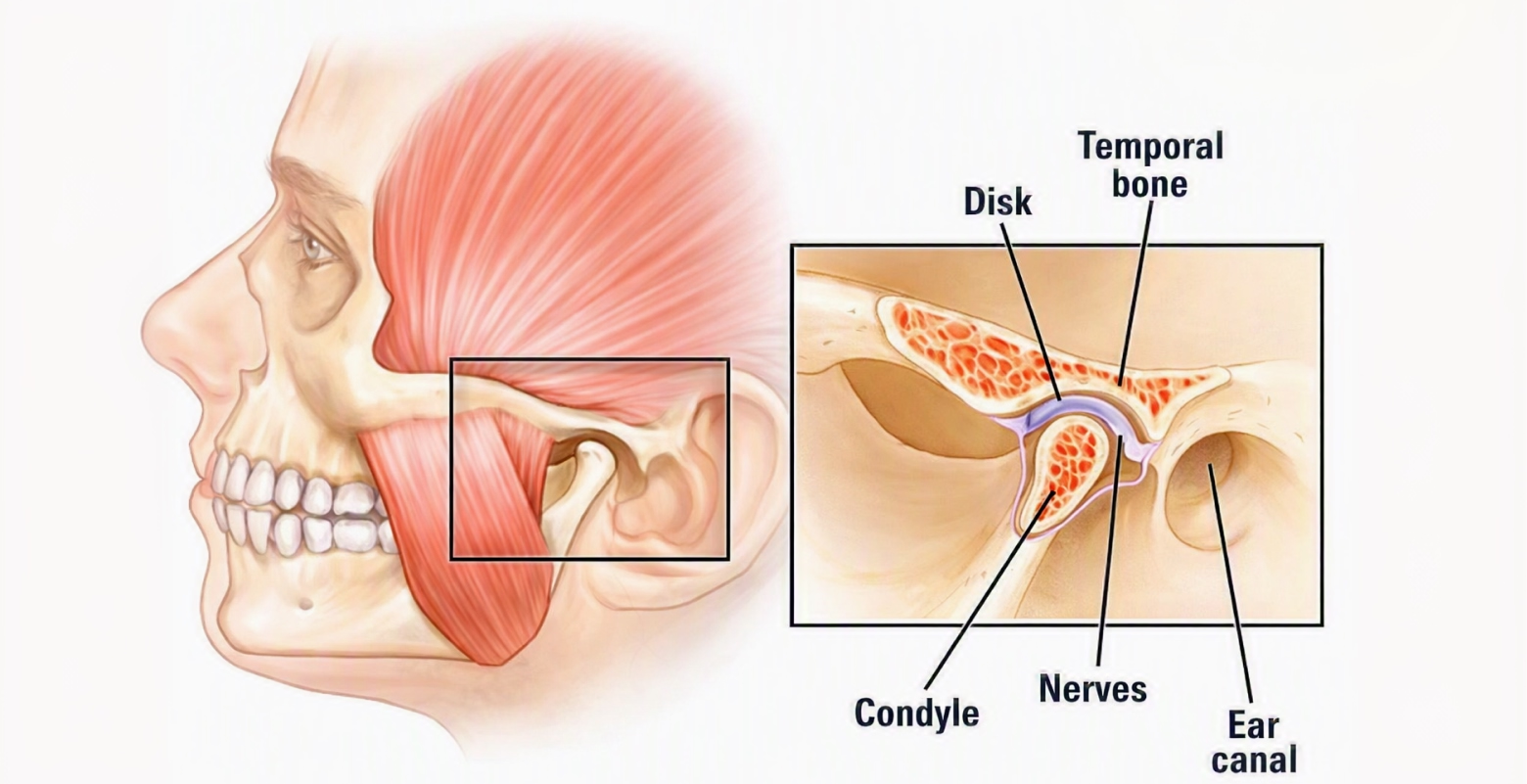
Jaw pain is any discomfort in or around your jaw joint, muscles, or teeth. You may feel a dull ache, sharp pain, tightness, or soreness when having jaw pain. The pain can sometimes come and go.
Your jaw does a lot of work every day. It includes the jaw joints (the hinges in front of your ears), the muscles you use to chew, your teeth, and the nerves that carry feeling from these areas. A problem with any of them can cause jaw pain.
Sometimes, the pain does not actually start in your jaw. It may sound weird, but you can feel pain in your jaw even though it comes from another part of your body. This is called referred pain. For example, problems with your sinuses or ears can cause jaw pain. In rare cases, heart problems can also cause jaw pain.
Where you feel the pain and what makes it worse can give you useful clues about what may be causing it.
Why Does My Jaw Hurt? 10 Possible Causes of Jaw Pain
Below are some of the most common causes of jaw pain. If you want to have a closer look at all the possible causes, see our full guide to the reasons for pain in your jaw.
1. TMJ Disorder (TMD)
TMJ disorder is a common cause of jaw pain. TMJ stands for temporomandibular joint. You have one of these joints on each side of your face, just in front of your ears. They help you open and close your mouth.
When the joint or the muscles around it become irritated, you may feel pain when you chew, talk, or open your mouth. You may also notice clicking, popping, stiffness, or trouble opening your mouth fully.
When we check jaw pain, we look at how your jaw moves and ask about symptoms such as pain, clicking, or locking. We also check the jaw joint and nearby muscles to see where the problem may be coming from.
This helps us choose the right treatment instead of treating every jaw problem the same way.
Stress, teeth grinding, injuries, and bite problems can all put extra strain on the jaw. You may also hear clicking or popping sounds or have trouble opening your mouth. About 5% to 10% of people have some form of TMJ disorder, according to the National Institute of Dental and Craniofacial Research.
If your jaw pain keeps coming back or makes it hard to eat or open your mouth, we recommend a dental checkup.
2. Teeth Grinding and Clenching (Bruxism)
Grinding or clenching your teeth puts extra strain on your jaw muscles, doesn’t it? It can happen while you sleep, so you may not even realize you are doing it.
Over time, this can leave your jaw sore, wear down your teeth, and cause headaches. You may wake up with a tight or aching jaw. Stress is a common trigger. A custom night guard can help protect your teeth and reduce the strain on your jaw.
3. Tooth Problems
A cavity, cracked tooth, abscess, or gum infection can cause pain that spreads into your jaw. Because your teeth and jaw share some nerves, a problem with one tooth can sometimes make the surrounding area hurt too.
You can learn more in our guide on jaw and teeth pain.
4. Pain When Chewing
If your jaw mainly hurts when you chew, the problem may be with your jaw joint, muscles, or a tooth. Chewing puts extra pressure on these areas and can make a cracked tooth, sore joint, or tired muscles hurt more.
Our guide on jaw pain when chewing explains how to tell these causes apart.
5. Pain When Opening Wide
When you open your mouth wide (yawning or taking a big bite) and feel jaw pain, the source may be your jaw joint. Chances are your joint or the small disc that cushions it is strained.
You may also hear clicking or popping or feel like your jaw gets stuck. Read more in our guide on jaw pain when opening your mouth wide.
6. Wisdom Teeth
Wisdom teeth are at the very back of your mouth. If there is not enough room for them to come in, they can push against nearby teeth and gums. This can cause pain, swelling, and stiffness (sometimes, on one side of the jaw).
Our guide on whether wisdom teeth can cause jaw pain explains the signs you should watch for.
7. Sinus Problems
Your upper back teeth are close to your sinuses. When your sinuses swell from a cold or infection, the pressure can cause pain in your upper jaw.
You may also have a stuffy nose or pressure in your face. The jaw pain gets better when the sinus problem clears up.
8. Jaw Pain from Clenching
Sometimes, you can face both jaw pain and headaches at the same time. Tight jaw muscles from clenching or TMJ problems can strain the muscles around your temples and cause tension headaches.
It can also happen the other way around. Our guide on headaches and jaw pain explains more about how they can be linked.
9. After Dental Work
Some jaw soreness after a filling, crown, or other dental treatment is common. When you keep your mouth open for a long time during treatment, it puts extra strain on your temporomandibular joint.
After dental work, we check the treated tooth, your bite, and how your jaw moves if the soreness does not settle. It makes clear to us whether the pain is simply from keeping your mouth open or if the bite needs attention.
Most mild soreness gets better within a few days after a filling.
10. Injury, Arthritis, and Nerve Pain
A hit or fall can hurt or strain your jaw and cause pain. Arthritis can also affect the jaw joint and cause pain and stiffness that may get worse over time.
Nerve problems, such as trigeminal neuralgia, can cause sudden, sharp, electric-like pain on one side of the face. These causes are less common, and you need a dentist or doctor to diagnose and treat it.
How to get rid of jaw pain on one side
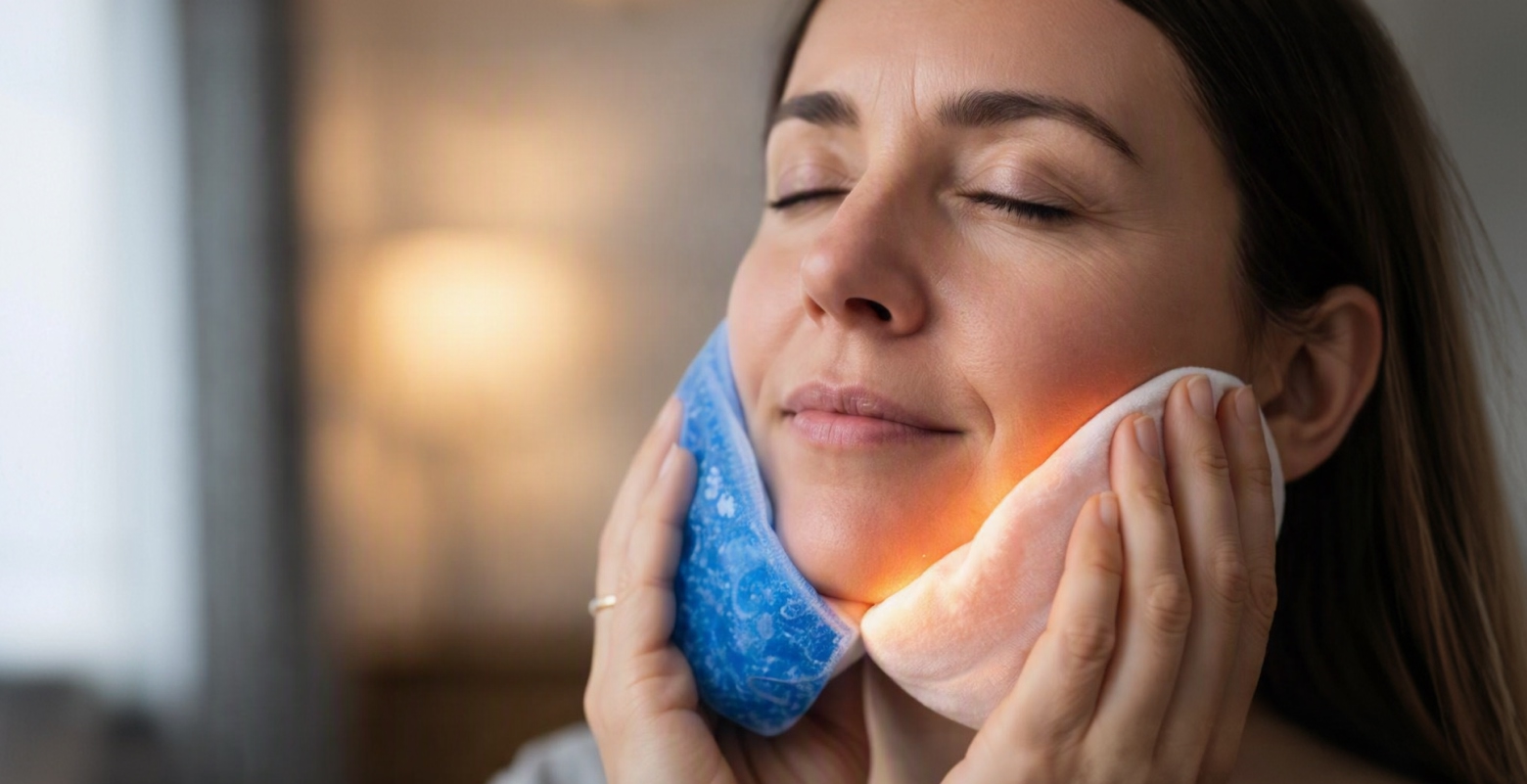
Whenever you feel one-sided jaw pain, give your jaw some rest. You’ll also feel good using a warm or cold compress, eating soft foods, and keeping your jaw relaxed. One-sided pain can come from something on that side. It can be a tight muscle, a tooth, or the jaw joint.
Cold can help with sharp pain and swelling. Warmth can relax a stiff or sore jaw. During the day, keep your teeth a bit apart to avoid clenching. If your jaw clicks on one side but does not hurt, it’s usually harmless. You will get to know more about it in our guide on jaw clicking on one side without pain.
Can jaw pain cause a heart attack?
No, jaw pain does not cause a heart attack. But jaw pain can sometimes be a warning sign of a heart attack.
Jaw pain from a dental or TMJ problem usually has a clear connection to your teeth, jaw movement, or chewing. Heart-related jaw pain can feel different. It may come with other symptoms such as chest discomfort or shortness of breath.
The American Heart Association lists jaw pain as one possible warning sign of a heart attack. It also mentions chest discomfort and shortness of breath.
When we check jaw pain, we look at the other symptoms too. This helps us decide whether the pain looks more like a dental or jaw problem or needs urgent medical attention.
Call 911 right away if your jaw pain comes with:
- Chest pressure, tightness, or pain
- Shortness of breath
- Sweating, nausea, or dizziness
- Pain that spreads to your arm, back, or neck
If you feel only jaw pain, without other symptoms, it’s not usually linked to the heart. But if you are not sure, it is safer to get medical help quickly.
How can I relieve jaw pain at home?
Some simple steps can help you relax your jaw muscles and reduce pain when your jaw settles down. Here are some of them.
- Rest your jaw: Do not chew gum or eat hard foods for some days. You should avoid putting extra pressure on your jaw.
- Use a cold or hot compress: If you feel a sharp pain or swelling, use a cold compress. Go for a warm compress for a dull, sore, or stiff jaw. Apply it for 10 to 15 minutes at a time.
- Eat soft foods: Eat soft foods like mashed potatoes, soup, or yogurt for a day or two. It will give your jaw less work to do.
- Keep your teeth slightly apart: During the day, keeping your teeth a bit apart will help you avoid clenching your jaw.
- Manage stress: Try some ways to relax; something like deep breathing. Stress can clench your jaw and make the pain worse.
If your jaw pain gets worse at night, our tips on how to sleep with jaw pain can help you rest more comfortably.
How long does jaw pain last?
Most mild jaw pain gets better within a few days to two weeks with simple home care. However, how long it lasts depends on what is causing the pain. Some jaw pain goes away quickly, while other types can last much longer if the cause is not treated.
| Type of jaw pain | How long it usually lasts |
| Short-term pain from clenching your jaw or chewing too much | A few days to two weeks |
| Pain that keeps coming back | Weeks to months if the cause is not treated |
| Long-term or chronic pain | Three to six months or longer |
When to see a dentist or doctor
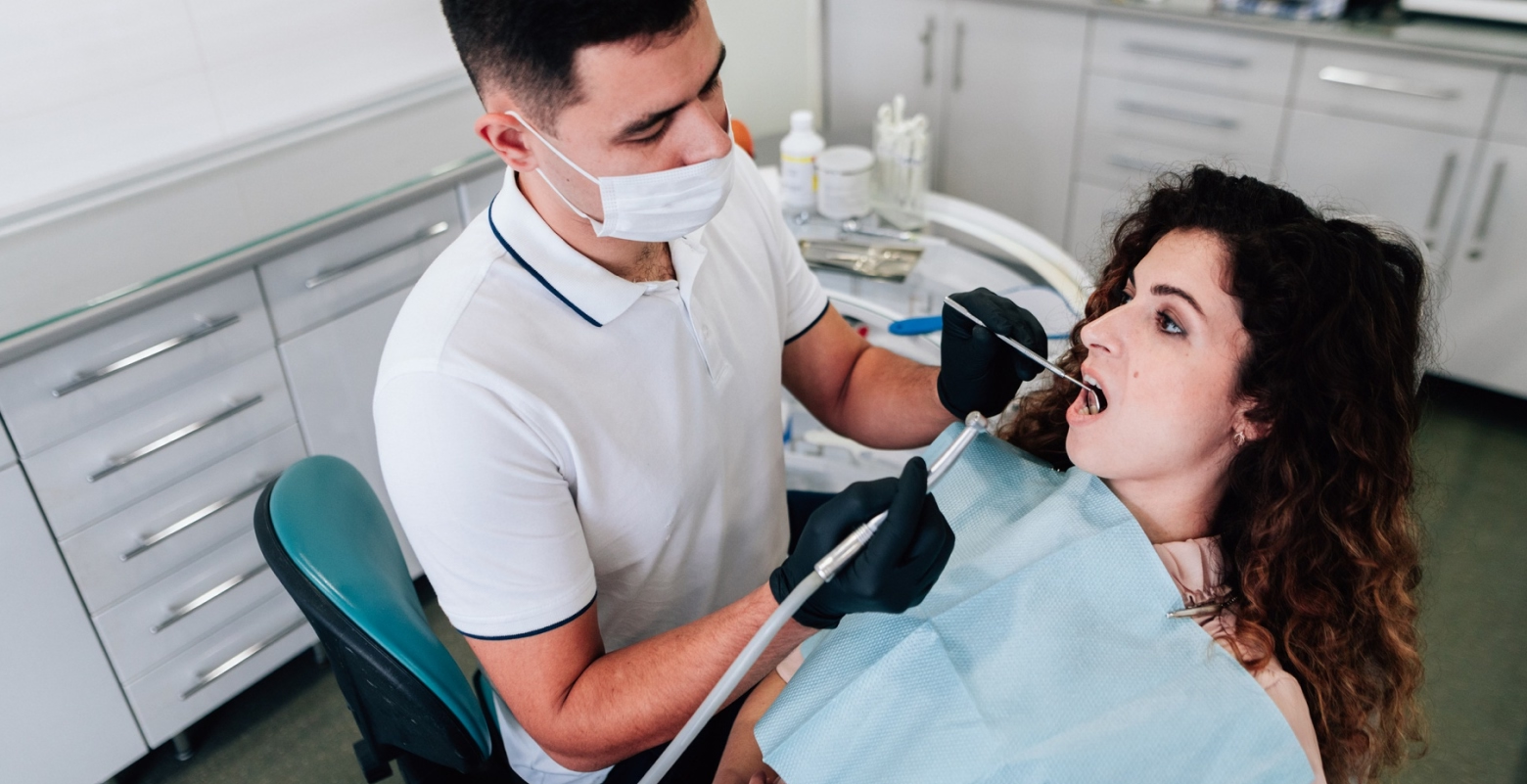
See a dentist if your jaw pain lasts more than a day or two, keeps coming back, or happens with swelling or a fever. Try to find and treat the cause early, so you can prevent bigger problems later.
See a dentist if you have:
- Jaw pain that does not go away or keeps coming back
- Swelling, a bad taste in your mouth, or a fever, which can be signs of an infection
- Clicking or locking in your jaw, or struggling to open your mouth
- Jaw soreness in the morning, which may be caused by grinding or clenching your teeth
See a doctor if you have:
- Sinus or ear problems that do not get better
- Sudden, sharp pain on one side of your face
For more information, read our guide on when to see a doctor for jaw pain
How do healthcare providers treat jaw pain?
The right treatment for your jaw pain depends on the reason behind the pain. When the reason is found, most people can get relief with the right treatment. Below are some common options.
Night guards
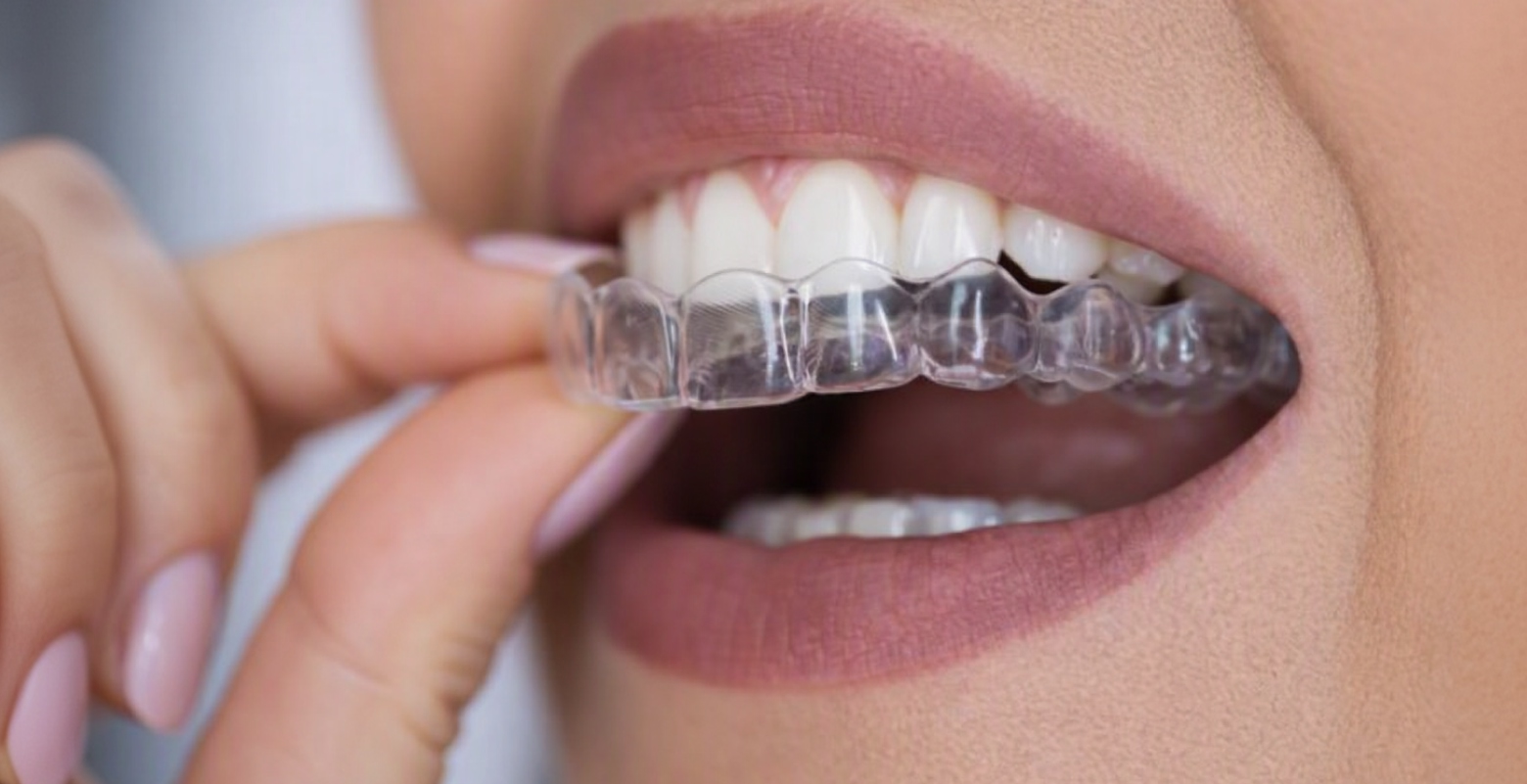
There’s a risk that you’ll clench or grind your teeth while sleeping. A custom night guard can protect your teeth even if you do so. It can also reduce the pressure and strain on your jaw.
TMJ and TMD treatment
If your jaw pain comes from a problem with your jaw joint or muscles, your treatment may be some exercises or a splint. Your dentist may also suggest other treatments. The best option depends on the cause of your pain.
Botox and dental neurotoxins
Small injections can help relax overworked jaw muscles. They also help reduce clenching and the pain that comes with it.
Trigger point injections
These injections target tight areas in the jaw and facial muscles. They can help relax these muscles and reduce pain.
Dental treatment
Sometimes, you can get instant relief from jaw pain by fixing he dental problem causing it. It can be getting a filling, having a root canal for an infected tooth, or having wisdom teeth removed. Treating the main problem will end the pain for good.
FAQs
How can I stop nerve pain in my jaw?
You may need to see a dentist or a doctor for nerve pain in the jaw. Painkillers or home remedies may not be enough. A dentist or doctor can find the cause and suggest treatment that targets the nerve.
What can cause pain in my upper jaw?
Sinus pressure, a tooth problem, or teeth grinding can cause pain in your upper jaw. Your upper teeth are close to your sinuses. So, a cold or sinus infection can sometimes feel like jaw pain.
What causes pain in the mandible?
The mandible is your lower jaw. Pain there can come from the jaw joint, teeth grinding, a tooth problem, or wisdom teeth. An injury or swelling in the joint can also cause pain.
Why does my jaw hurt at night?
Jaw pain at night can come from clenching or grinding your teeth while you sleep. Your jaw muscles stay tight for hours. This can leave you with a sore, stiff, or aching jaw when you wake up.
Is jaw pain more common in women than men?
Yes. Jaw pain, especially from TMJ disorders, is more common in women. Hormones and stress-related clenching can be a reason for this difference.
Can dehydration or diet affect jaw pain?
Yes. Not drinking enough water can cause muscle tension and cramps. Hard or chewy foods can also put extra strain on your jaw. You need to drink enough water and choose softer foods to reduce this strain.
Final Words
Jaw pain generally comes from one of four places: your jaw joint, chewing muscles, teeth, or nearby nerves. Where the pain is, how it feels, and what makes it worse can help find the cause. The good news is that most jaw pain is common and can be treated.
Simple home care can help mild jaw pain. Rest your jaw, eat soft foods, and use a warm or cold compress. But watch for warning signs. If the pain does not go away, keeps coming back, or comes with swelling or a fever, see a dentist. If you have jaw pain with chest pain or trouble breathing, get emergency help right away.
When you want to find out what is causing your jaw pain, the team at Crystal Clear Dental in San Antonio can help.