
You wake up with a sore jaw. Soon after, a headache starts. It may happen once in a while or almost every morning. You might think it’s because of stress, a bad pillow, or not getting enough sleep. So you take a painkiller and move on with your day. But the pain keeps coming back.
If this sounds familiar, there’s a good chance your headache and jaw pain are connected. They’re often caused by the same underlying problem, such as your jaw joint or the muscles you use to chew.
So, why do headaches and jaw pain often happen together? They usually share the same nerve, called the trigeminal nerve. This nerve connects your jaw, face, and brain. When there’s a problem with your jaw, it can send pain signals that your brain feels as a headache. That’s why treating only the headache often doesn’t fix the real problem.
This article will answer why headaches and jaw pain happen together and what you can do to find lasting relief.
Table of Contents
Is It A Migraine or TMJ Pain?
This is an important question because migraines and jaw pain need different treatments. If you treat the wrong problem, the pain is likely to keep coming back.
Here’s how you can tell the difference.
How Does Migraine Feel?
A migraine is a condition that affects your brain and nerves. It usually causes a strong, throbbing headache on one side of your head. You may also feel sick to your stomach, vomit, or become sensitive to light and sound. Some people see flashing lights, zigzag lines, or bright spots before the headache starts. This is called an aura.
A migraine can last anywhere from 4 to 72 hours. Moving your jaw doesn’t make it better or worse. Chewing, opening your mouth, or pressing on your jaw won’t change the pain. Migraines also don’t usually cause jaw clicking, jaw stiffness, or sore jaw muscles in the morning.
Signs your headache is more likely a migraine:
- Throbbing pain, usually on one side of your head
- Nausea or vomiting
- Sensitivity to light or sound
- Flashing lights or other vision changes before the headache
- No jaw stiffness or sore jaw muscles
How Does TMJ Pain Feel?
TMJ pain comes from your jaw joint. The headache it causes is usually a dull, aching pressure instead of a throbbing pain. You may feel it in your temples, behind your eyes, or across your forehead. It’s often worse when you wake up because you may have been clenching or grinding your teeth while you slept.
One of the biggest signs is that your headache changes when you move your jaw. Chewing, yawning, opening your mouth wide, or pressing just in front of your ears can make the pain worse. Your jaw may also feel sore, tight, or stiff.
Signs your headache is more likely TMJ-related:
- Dull, aching pressure instead of throbbing pain
- Worse in the morning and improves during the day
- Jaw clicking, popping, or stiffness
- Pain gets worse when you chew or open your mouth wide
- Tender temples or pain around your ears
- No nausea, light sensitivity, or vision changes
Can You Have Both?
Yes. It can be hard to tell the difference because some people have both conditions.
For example, a patient may come to us with both headaches and jaw pain. We check their jaw movement, teeth, bite, and the muscles around the jaw to see if a temporomandibular joint problem is causing their symptoms.
If we find signs of a TMJ problem, we treat the jaw problem based on what we find. If the symptoms do not fit a dental or TMJ problem, we may recommend seeing a doctor for further evaluation.
This also matches what research has found. A 2025 study published in the Journal of Oral Rehabilitation found that people with temporomandibular joint disorders had about 2.6 times higher odds of having migraines.
On the other hand, people with migraines had about six times higher odds of having TMJ disorders.
If you’re not sure which condition is causing your pain, a dentist who is trained to evaluate TMJ disorders is a good place to start.
Why Headache And Jaw Pain Happen Together: Most Common Causes
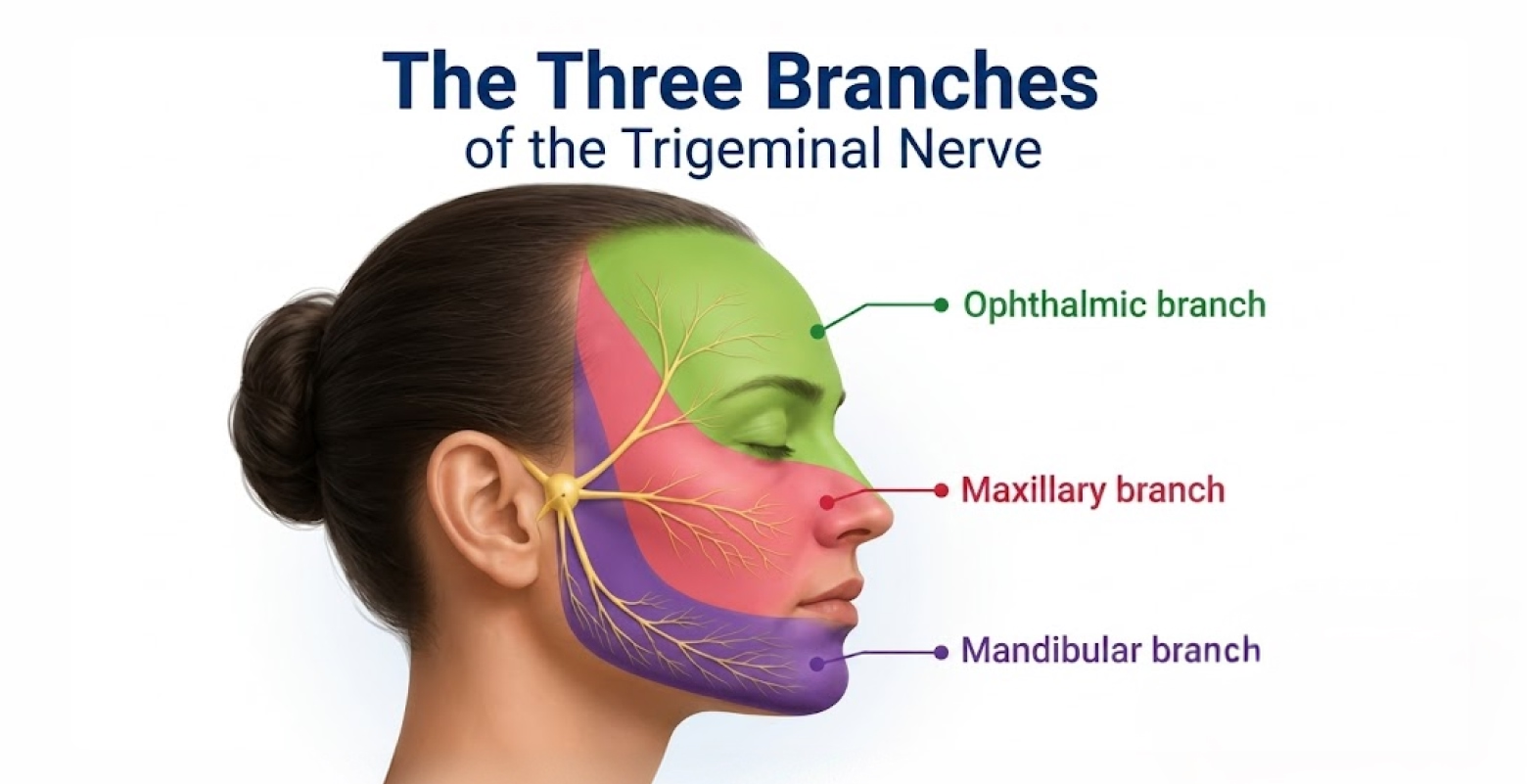
Headaches and jaw pain often happen together because they share the same nerve. This nerve, called the trigeminal nerve, carries feeling from your jaw, teeth, face, and forehead. It also helps your brain process pain.
When there’s a problem with your jaw joint, jaw muscles, or the way your teeth fit together, this nerve can become irritated. Your brain may then feel the pain as a headache, even though the problem started in your jaw. This is called referred pain. It’s why you can have pain in your temples or forehead even if your jaw doesn’t look swollen or injured.
Here are the most common conditions that can cause both headaches and jaw pain.
TMJ Disorder (TMD)
TMJ disorder, also called TMD, is one of the most common causes of headaches that start with your jaw. Your temporomandibular joint (TMJ) is the hinge that connects your lower jaw to your skull. It’s located just in front of each ear.
If this joint becomes irritated, inflamed, out of place, or overworked, it can cause pain in your jaw. Because it’s connected to the trigeminal nerve, that pain can also spread to your head and cause headaches.
TMJ disorder causes three types of headaches:
| Headache Type | What It Feels Like | How Is TMJ in People? |
| Tension headache | Dull, steady pain or pressure around your forehead or temples | Most common |
| Migraine | Throbbing pain, often on one side, with nausea or sensitivity to light and sound | More common than in people without TMJ |
| Cluster headache | Very severe pain around one eye that comes and goes in cycles | Rare, but it can happen |
If your jaw clicks on one side but doesn’t hurt, don’t ignore it. It can be an early sign that your jaw joint is under stress, even before pain starts.
Teeth Grinding and Jaw Clenching (Bruxism)
Bruxism means you grind or clench your teeth without realizing it. Many people do this while they sleep.
When you grind your teeth at night, the muscles you use to chew stay tight for hours. By morning, those muscles can be sore, tired, and tense. This is why you may wake up with a tight jaw and a headache around your temples. It’s one of the most common reasons for waking up with headaches and jaw pain.
Things that can make teeth grinding worse include:
- Stress and anxiety
- Poor sleep
- Too much caffeine or alcohol
- Sleep apnea, which can trigger grinding during sleep
Some people also clench their teeth during the day. This is called daytime bruxism. You may do it without noticing while you’re working, studying, or feeling stressed. Instead of waking up with pain, you may notice your jaw pain later in the day when chewing or talking.
Ear Infections
Your ear is right next to your jaw joint, so pain from an ear infection can spread to your jaw and head.
You may think the pain is coming from your jaw when it’s actually coming from your ear. Ear infections often cause other symptoms too, such as:
- Fever
- Trouble hearing
- A feeling of fullness in your ear
- Fluid or discharge from your ear
If you have these symptoms along with jaw pain and a headache, see a doctor first. If the ear infection improves but the jaw pain doesn’t, it’s a good idea to have your jaw checked, too. You can have both problems at the same time.
Sinus Infections
A sinus infection can also cause headaches and jaw pain. When the sinuses in your cheeks become swollen and blocked, they create pressure that spreads to your upper jaw.
Sinus pain is usually easy to tell apart because it often comes with:
- A blocked or runny nose
- Thick nasal mucus
- Fever
- Pressure in your face that gets worse when you bend over
Unlike TMJ pain, sinus pain is usually felt in your cheeks and forehead, not around your temples or ears.
Wisdom Teeth
Wisdom teeth can also cause jaw pain and headaches, especially if they’re trapped under the gums or only partly come through.
The pressure from an impacted wisdom tooth can spread through the same nerve that carries pain from your jaw, making your temples and head hurt too.
This is most common if you’re between 17 and 30 years old.
When we check jaw pain and headaches, we also check the wisdom teeth if the pain is at the back of the mouth. We look for swelling, pressure, or signs of infection. An X-ray can show if a wisdom tooth is stuck under the gum or growing the wrong way.
So, if you have headaches along with jaw and tooth pain and haven’t had your wisdom teeth checked, an X-ray is a good place to start. Learn more in the detailed guide on can wisdom teeth cause jaw pain.
Stress and Tight Jaw Muscles
You don’t need to have TMJ disorder to get headaches from your jaw.
Stress alone can make you clench your jaw without realizing it. Over time, your jaw muscles become tired and tight, and the pain can spread to your temples and forehead.
If your headaches are worse on stressful days and your jaw feels tight by the end of the day, stress may be the main cause.
Poor Neck Posture
Your neck, jaw, and head all work together. If you spend hours looking at a computer or phone, or driving, your neck muscles can become strained. That strain can spread to your jaw and trigger headaches.
This type of headache is called a cervicogenic headache, which means it starts in your neck.
If your headache begins at the back of your head and moves toward your forehead, and you also have a stiff neck and a tight jaw, your posture may be part of the problem.
This is especially common if you grind your teeth and spend a lot of time in front of a screen. Learning how to sleep with jaw pain and improving your sleeping position can also help reduce these headaches.
How To Get Rid Of TMJ Pain Immediately At Home

These tips won’t fix the root cause, but they can help you feel better while you figure out what’s causing your pain.
Apply a Cold Pack to Your Jaw
Place an ice pack or a cold cloth on the side of your jaw for 15-20 minutes. Repeat this two or three times a day.
The cold helps reduce swelling and numbs the jaw muscles that often cause both jaw pain and headaches. Place the cold pack on your jaw, not your head, because that’s where the pain usually starts.
Try Ibuprofen Instead of Acetaminophen
If it’s safe for you to take it, ibuprofen may work better for jaw-related headaches because it helps reduce inflammation. Acetaminophen (Tylenol) relieves pain but doesn’t reduce swelling.
Always take ibuprofen as directed on the label and with food.
Do Gentle Jaw Stretches
We recommend simple jaw stretches to patients with tight or sore jaw muscles. To try one:
- Slowly open your mouth until you feel a gentle stretch. Don’t force it open.
- Hold for 5 seconds, then slowly close your mouth. Repeat this 5 times.
Many patients find these simple stretches helpful for easing jaw tightness. If the stretch causes pain or makes your symptoms worse, stop and talk to your dentist.
Eat Soft Foods for a Day or Two
Hard, chewy, and crunchy foods make your jaw work harder, which can make the pain worse.
Choose softer foods like:
- Soup
- Yogurt
- Eggs
- Smoothies
- Soft cooked vegetables
Give your jaw a chance to rest so it helps reduce your headache.
Use Heat for Tight Muscles
If your jaw feels stiff and tight instead of swollen, try a warm, damp cloth. Place it over your jaw for 10-15 minutes to help relax the muscles.
As a general rule:
- Use cold if your jaw is swollen or the pain just started.
- Use heat if your muscles have felt tight and sore for several days.
- Avoid These Habits While Your Jaw Hurts
While your jaw is healing, try to avoid:
- Chewing gum
- Resting your chin on your hand
- Opening your mouth very wide when you yawn
- Clenching your teeth (keep your teeth slightly apart when your mouth is relaxed)
If you need more ways to ease the pain, read on for how to stop jaw pain immediately for additional tips you can try right away.
How Does A Professional Help You Get Rid of Headaches and Jaw Pain?
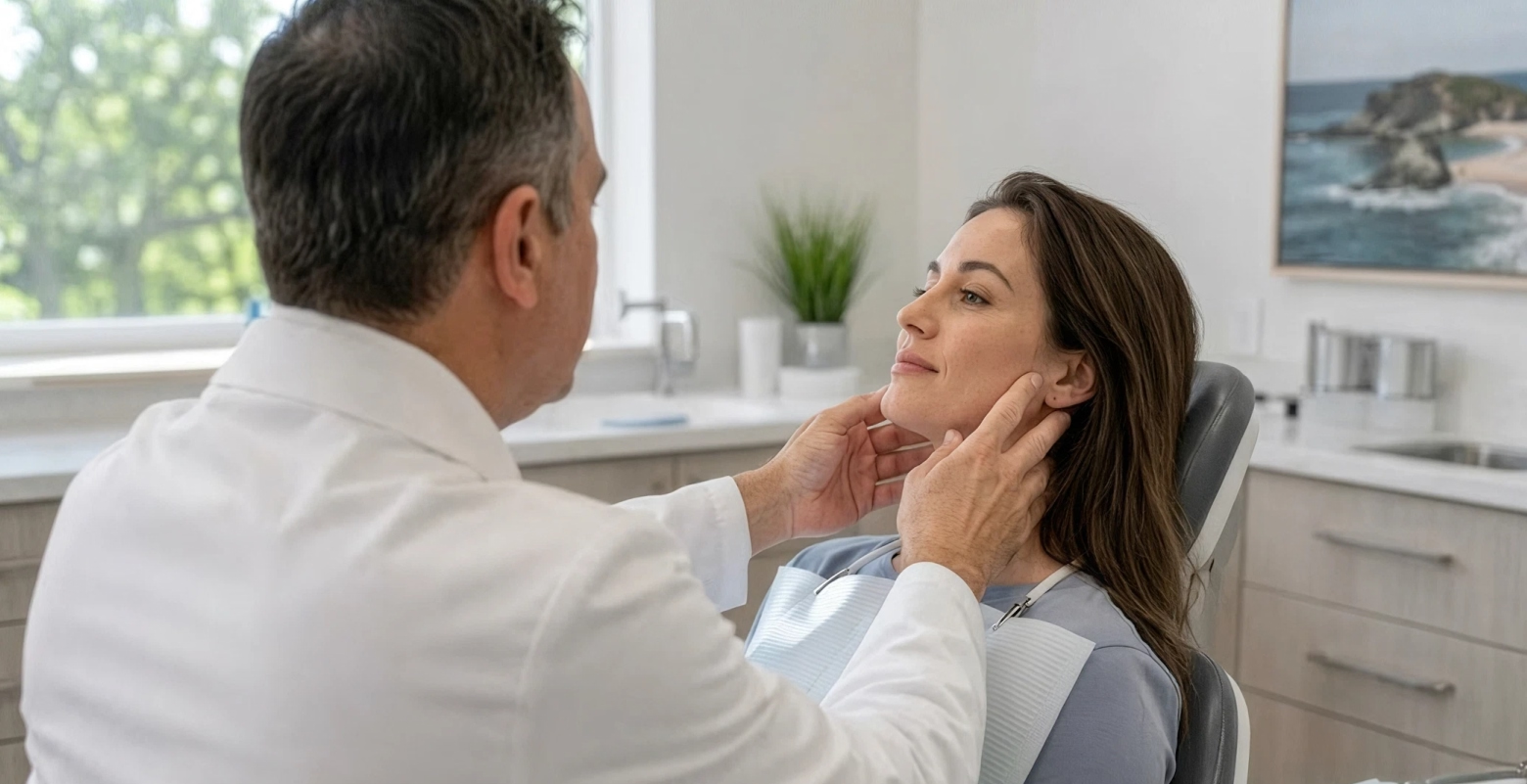
A dentist can check your bite, examine your jaw joint, and take X-rays or a panoramic scan to find the cause of your pain. Once they know what’s causing it, they can recommend the right treatment, such as a custom night guard, TMJ treatment, or Botox.
Here are common professional treatments for headaches and jaw pain.
Custom Night Guard
A custom night guard is made to fit your teeth. You wear it while you sleep to help stop teeth grinding and jaw clenching.
If you often wake up with headaches and a sore jaw, many people notice an improvement within 2-4 weeks.
Store-bought night guards are different. Because they’re not made for your bite, they may not work as well and can sometimes make the problem worse.
TMJ Treatment
A TMJ evaluation looks at your jaw joint, jaw muscles, and bite to find the cause of your symptoms.
Treatment may include:
- A custom night guard
- Bite adjustment
- Jaw exercises or physical therapy
- Treatments to relax painful jaw muscles
At Crystal Clear Dental, TMJ and TMD treatment is based on the cause of your symptoms instead of using the same treatment for everyone.
Dental Botox and Trigger Point Injections
Botox isn’t only used for cosmetic treatments. It can also relax the jaw muscles that cause clenching and grinding.
When Botox is injected into these muscles, many people notice fewer headaches within 1–2 weeks. The effects usually last about 3-4 months.
We also offer dental Botox and trigger point injections for people whose symptoms haven’t improved with a night guard alone. These treatments can help if you have frequent headaches caused by tight jaw muscles.
When You Need Emergency Care
Go to the emergency room or call 911 right away if:
- You suddenly develop the worst headache you’ve ever had.
- You have jaw pain along with chest pain, pain in your left arm, or shortness of breath.
- You have severe swelling in your face, a fever, and trouble swallowing or breathing.
- You have sudden vision changes, weakness, or slurred speech along with jaw pain and a headache.
These symptoms are not typical signs of TMJ disorder and need immediate medical attention.
If you’re not sure whether your symptoms need urgent care, read on when to see a doctor for jaw pain to learn the warning signs.
FAQs
Can stress cause both jaw pain and headaches?
Yes. Stress can make you clench your jaw without realizing it. This puts extra strain on your jaw muscles, which can leave you with a sore jaw and a headache, especially by the end of the day.
Why are my jaw pain and headaches worse in the morning?
This is often a sign that you’re grinding or clenching your teeth while you sleep. Your jaw muscles stay tight all night, so you wake up with a stiff jaw and a headache. The pain often gets better as the day goes on.
Is a TMJ headache dangerous?
Usually, no. But if you don’t treat the cause, your symptoms can get worse over time and may lead to ongoing jaw pain, tooth damage, or trouble moving your jaw. If you have jaw pain along with chest pain, pain in your left arm, or shortness of breath, get emergency medical help right away.
Can an ear infection cause jaw pain and headaches?
Yes. Because your ear is close to your jaw joint, an ear infection can cause pain that spreads to both your jaw and your head.
Can wisdom teeth cause headaches and jaw pain?
Yes. Impacted or growing wisdom teeth can put pressure on your jaw and nearby teeth. This pressure can spread through the same nerve and cause both jaw pain and headaches.
Can a night guard help with headaches?
Yes. A custom night guard helps reduce teeth grinding while you sleep. This relaxes your jaw muscles and can reduce both jaw pain and headaches. Many people notice improvement within 2-4 weeks.
Final Thoughts
Headaches and jaw pain may seem like two separate problems, but they’re often connected. In many cases, the pain starts in your jaw and spreads to your head.
TMJ disorder, teeth grinding, stress, ear infections, wisdom teeth, and even poor posture can all cause both symptoms. When you find the real cause and choose the right treatment, things will be easier to deal with.
If you’d like a professional evaluation, Crystal Clear Dental in San Antonio offers TMJ assessments, custom night guards, dental botox, and trigger point injections, all in one place.