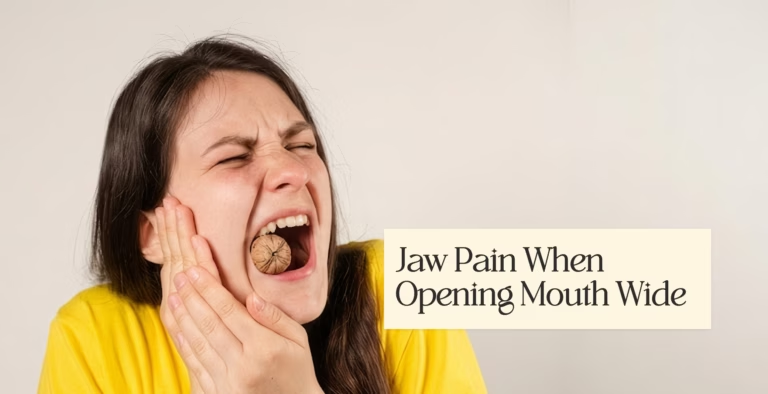

We get it that you’re completely exhausted by waking up with worse pain than you went to bed with. It’s natural to feel helpless in such a situation while actively dealing with severe jaw pain. Since you’re sleeping, you cannot control what your jaw is doing.
So, what can you do about it? How to sleep with jaw pain, wake up, and start a good day?
You can try sleeping on your back, use a pillow that supports your neck, keep your jaw relaxed, and deal with nighttime teeth grinding if you have it. These small changes to how you sleep and what you do before bed can help reduce jaw pain by morning.
In this guide, you’ll learn why your jaw may hurt more at night, which sleeping positions can help, which ones can make the pain worse, and simple bedtime tips that can help you sleep more comfortably.
Table of Contents
Why does your jaw hurt more at night?
Your jaw may hurt more at night because you clench or grind your teeth while you sleep. You cannot control it while you are asleep, so your jaw muscles may keep working for hours without rest.
At Crystal Clear Dental, patients sometimes come in with a sore or tight jaw in the morning. When we check their teeth and jaw, we look for signs of grinding, such as worn teeth, tight chewing muscles, or tenderness around the jaw.
We also ask about morning headaches and other symptoms that may point to nighttime clenching or grinding.
Teeth grinding during sleep can cause morning headaches, facial pain, and sore jaw muscles. Stress can make teeth grinding worse. The way you sleep can also put extra pressure on your jaw and make the pain worse.
This is one reason you may wake up with headaches linked to your jaw. If you are not sure why your jaw hurts, this guide on the reasons for pain in your jaw can help you understand the possible causes.
Why does your sleep position matter?
The way you sleep will affect how your jaw feels in the morning. Your sleeping position can put pressure on your jaw for hours. Even a small amount of pressure can cause pain or stiffness by the time you wake up.
Here’s some simple data for you to learn about how different sleeping positions affect your jaw pain. We will explain these points later in the content, though.
| Position | Good for jaw pain? |
| On your back | Best for most people |
| On your side (well supported) | Okay, and better if you snore |
| On your stomach | Worst; avoid if you can |
When you fall asleep, your neck and jaw muscles relax. Your head rests on your pillow, and the position of your head can put extra pressure on your jaw. If your jaw stays in an uncomfortable position for hours, you will wake up with a sore or stiff jaw.
So, will a good sleeping position help? Yes, it will. Try to keep your head, neck, and spine in a straight line. This helps your jaw stay in a natural and relaxed position while you sleep.
Long story short, you should keep your jaw comfortable and avoid putting extra pressure on it while you sleep.
Worst sleeping position for TMJ pain
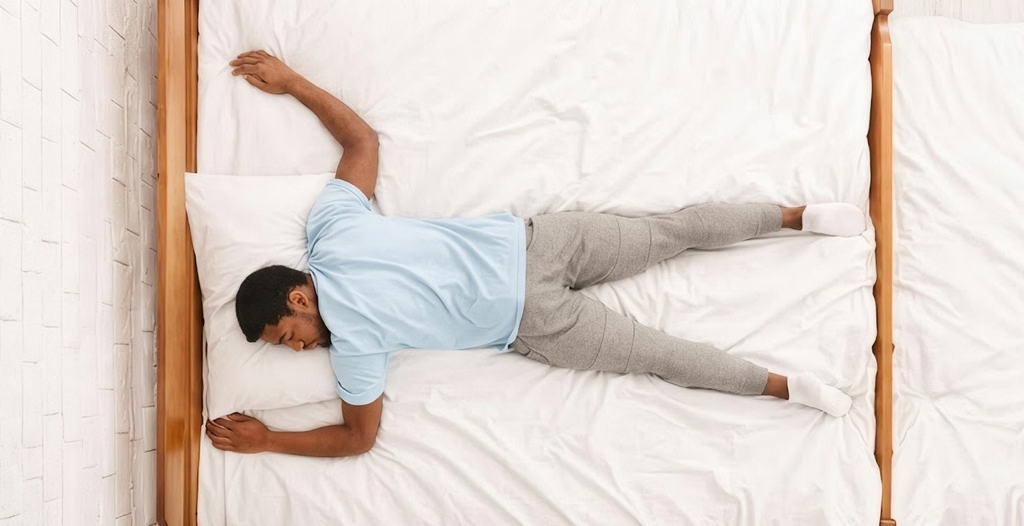
If you’re used to sleeping on your stomach, you need to leave that habit soon. Yes, it’s the worst sleeping position for TMJ (temporomandibular joint) pain. Below are the details.
Sleeping on your stomach
Sleeping on your stomach can put a lot of stress on your jaw. You need to turn your head to one side so you can breathe. This twists your neck and can also affect your jaw.
Your face and jaw may also press into the pillow. You may guess that it adds more pressure to your temporomandibular joint. It may also make you more likely to clench or grind your teeth.
Sleeping on your side without good support
You can sleep on your side, but you need the right pillow. Without enough support, your head may tilt too far down or sit too high. This can put your neck and jaw out of their natural position. Your jaw may then stay under pressure for hours.
Do you sometimes wake up with pain on the side you slept on? If yes, your sleeping position may be part of the problem.
Sleeping with your hand under your jaw
You may sometimes place your hand under your jaw while sleeping on your side without even noticing.
And, guess what? Your hand can press against your temporomandibular joint for hours. It can also push your jaw into an uncomfortable position. If one side of your jaw feels sore when you wake up, check whether you sleep with your hand under your jaw.
Sleeping in a tight fetal position
Curling up tightly can feel comfortable, but it may put extra tension on your neck and jaw.
When you pull your chin close to your chest, the muscles around your neck and jaw can become tight. If you like sleeping this way, try to keep your body a little more relaxed and your chin in a natural position.
If you sleep in any of these positions and often wake up with jaw pain, your sleeping position may be making the problem worse.
What’s the best sleep position for jaw pain?
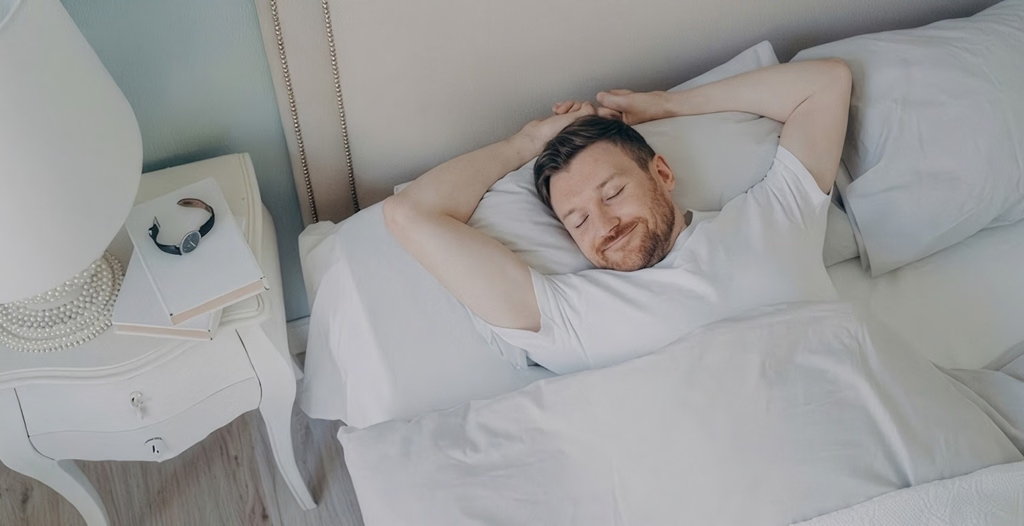
For most people, sleeping on their back is the best choice for jaw pain. It helps keep your head, neck, and spine straight and takes pressure off your jaw.
Sleeping on your back
When you sleep on your back, your head, neck, and spine can stay in a straight line. This helps your jaw rest in a natural position. You should use a medium-firm pillow that supports your neck. And please, don’t use a pillow that is too soft and sinks down. Also, avoid a pillow that is too high and pushes your head forward.
But there’s a catch. If you snore or have sleep apnea, sleeping on your back may make breathing harder. The Sleep Foundation notes that teeth grinding can be related to snoring and sleep apnea.
So, if you grind your teeth and also snore, sleeping on your side with good support will be a better choice. You should also talk to your dentist or doctor about your sleep and breathing.
Sleeping on your side
Side sleeping can also work well, especially if you snore. The key is to support your head and neck properly.
Try these simple tips:
- Use a good pillow: If you get a contoured or memory foam pillow, this can help keep your head level.
- Support your neck: You can place a small pillow or rolled towel between your shoulder and jaw for extra support.
- Use a pillow between your knees: This can help keep your spine in a comfortable position.
- Keep your chin up: Do not tuck your chin toward your chest.
- Keep your hand away from your jaw: Try not to sleep with your hand under your jaw.
Tips to improve your sleep for jaw pain relief
Remember that you do not have to change every habit to get relief from your jaw pain. Here are a few simple changes to your pillow, bedtime routine, and jaw habits that will help you sleep with less pain.
Choose the right pillow and mattress
Your pillow and mattress support your body while you sleep. A medium-firm mattress can help keep your spine in a good position. Choose a pillow that supports your neck, such as a supportive or cervical pillow. Your pillow should help keep your neck comfortable and straight.
Try to avoid pillows that are too high. A high pillow can push your head forward and put extra stress on your jaw.
Relax your jaw before bed
Relaxing your jaw before bed may help reduce pain while you sleep.
Try to use a warm compress on your jaw for 10 to 15 minutes. You can also do a few gentle jaw and neck stretches. Taking slow, deep breaths can help you relax if you feel stressed or tense.
When you are ready to sleep, let your jaw relax. Keep your teeth slightly apart and let your tongue rest gently against the roof of your mouth.
For more ways to ease jaw pain, see our guide on how to stop jaw pain immediately.
Consider a night guard
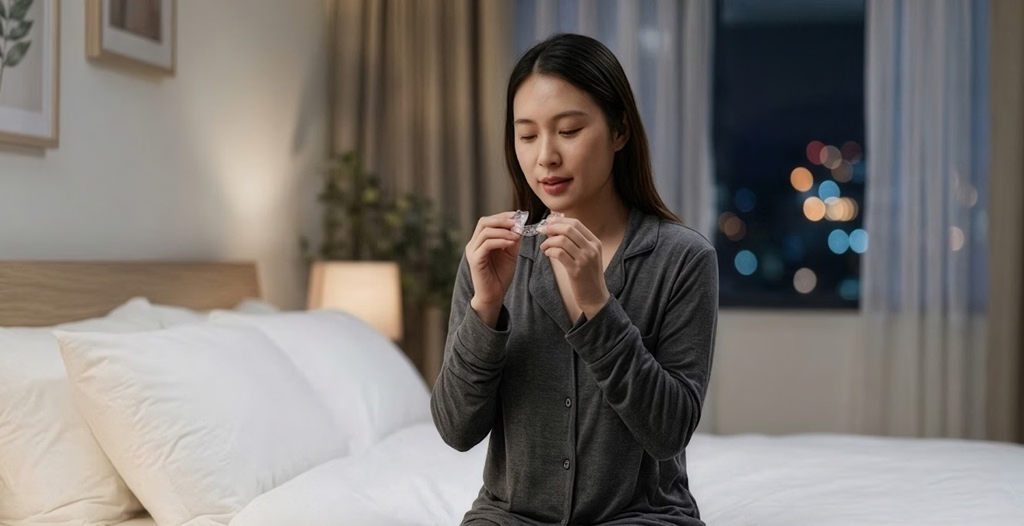
If you grind or clench your teeth while you sleep, a custom night guard may help.
Sometimes we see patients who wake up with a sore jaw, tight facial muscles, or morning headaches and do not realise they are grinding or clenching their teeth at night. During an evaluation, we look for signs of grinding and check your teeth, jaw muscles, and bite.
If nighttime grinding is causing those symptoms, we may recommend a custom night guard. This appliance creates a layer between your teeth. It can protect your teeth and reduce pressure on your jaw when you sleep.
If you have ongoing jaw pain or other jaw problems, TMJ and TMD treatment will help you out.
And if your jaw pain keeps waking you up night after night, you should talk to your dentist as soon as possible. This guide on when to see a doctor for jaw pain explains which signs mean you should get checked.
Other bad habits that make your jaw pain worse
There are some common things we do during the day that can make our jaw more sore at night. If you change those habits, you will wake up feeling better.
- Chewing a lot of gum: Chewing gum for a long time makes your jaw muscles work hard. This can leave them tired and sore. You can learn more about chewing that triggers jaw pain here.
- Eating hard or chewy foods: Naturally, hard or chewy foods make your jaw work harder. Try softer foods when your jaw is already sore.
- Opening your mouth too wide: Try not to open your mouth too wide when you yawn. You can gently support your chin with your hand to reduce the stretch.
- Poor posture and too much screen time: Don’t lean forward when you use your phone or computer. It can make your neck and jaw muscles tight. Take regular breaks, sit up straight, and relax your shoulders.
- Clenching your teeth during the day: You may clench your teeth without noticing, especially when you feel stressed. When you notice it, relax your jaw and let your teeth stay slightly apart.
- Smoking: Smoking will reduce blood flow and may slow healing in your jaw. You should cut back or quit for your overall oral health.
FAQs
Should you wear a night guard if your jaw only hurts sometimes?
Yes. If you grind or clench your teeth, your jaw can become strained even on nights when you do not feel pain. A night guard can protect your teeth and reduce some of the pressure on your jaw. So, if you wear it regularly, it may help prevent pain from coming back.
Is it bad to sleep with your mouth open if you have jaw pain?
Well, yeah, it can make your jaw feel more sore. When you sleep with your mouth open, your jaw may drop into an uncomfortable position. This can put extra strain on your jaw.
Why do you wake up with jaw pain even when you sleep on your back?
Your sleeping position is not the only thing that can cause jaw pain. You may still grind or clench your teeth while you sleep, even when you sleep on your back. This can make your jaw sore when you wake up.
Can a bad night’s sleep make your jaw pain worse the next day?
Yes. When you do not sleep well, you may feel more stressed and tense. This can make you clench your teeth more and leave your jaw feeling even more sore the next day.
How long before bed should you stop eating or drinking caffeine?
Try to avoid heavy or chewy foods and caffeine about two to three hours before bed. This gives your jaw time to rest before you sleep.
Does jaw pain at night always mean you have TMJ pain?
No. Nighttime jaw pain can happen for many reasons. Teeth grinding, stress, and the way you sleep are common causes.
Conclusion
Thanks for being with us till the end. You already know that jaw pain and poor sleep can make each other worse. But you can break this cycle.
Try to sleep on your back when you can. If you snore, sleep on your side with good support. Use a pillow that supports your neck, and relax your jaw before bed. If you grind your teeth at night, a night guard may help. During the day, avoid habits that put extra stress on your jaw.
If jaw pain keeps disturbing your sleep, do not ignore it. The team at Crystal Clear Dental in San Antonio can find the cause and help you sleep more comfortably.