
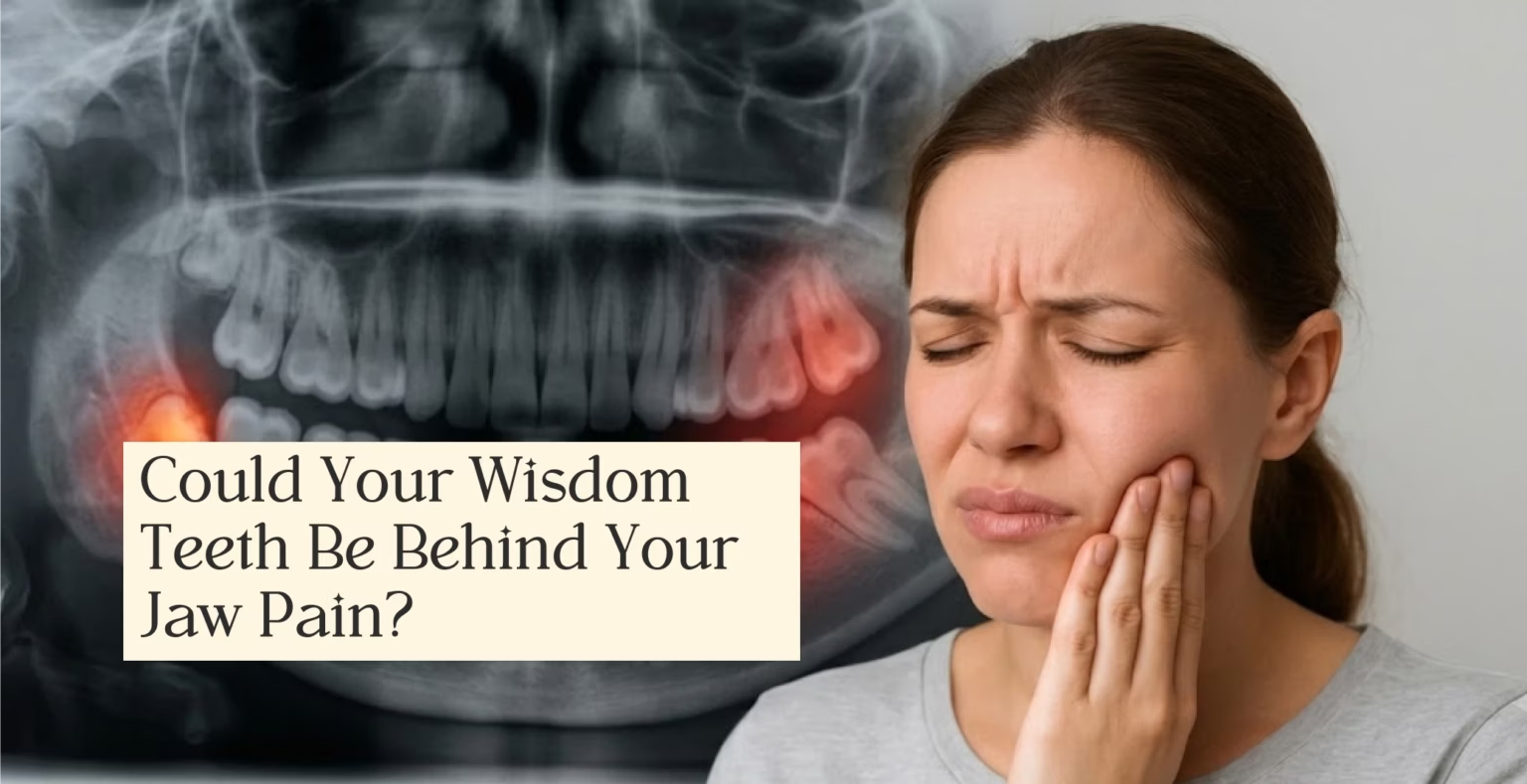
If you feel a dull pain in the back of your jaw, it can be confusing. It may get worse when you chew or open your mouth wide. It may not feel like a typical toothache, and sometimes you may feel the pain near your ear. Other times, it leads to a headache. The real cause, though, could be the wisdom teeth at the back of your mouth.
Jaw pain can happen for many reasons. But if you’re in your late teens or twenties, or if your pain started when your back teeth began to feel sore or crowded, your wisdom teeth are a common cause.
So, can wisdom teeth cause jaw pain? Yes. Wisdom teeth are one of the most common reasons for jaw pain in adults between 17 and 35 years old. If there isn’t enough room for them to grow, they can press against your jawbone, gums, and nearby teeth. This pressure can cause pain that spreads beyond the tooth to your jaw, ear, and even your head.
In this guide, you’ll learn why wisdom teeth cause jaw pain, what the pain usually feels like, how you can ease it at home, and when it’s time to see a dentist.
Table of Contents
What Are Impacted Wisdom Teeth?
Wisdom teeth are your third molars, which are the last teeth to come in. Most people have four wisdom teeth, one in each corner of the mouth.
By the time wisdom teeth grow, your jaw is already fully grown. So, there may not be enough space for them. If a wisdom tooth cannot come through the gum properly or grows in the wrong place, it is called an impacted wisdom tooth.
| Type of Impacted Wisdom Tooth | What It Means |
| Fully impacted | Your wisdom tooth is completely stuck under your gum or inside your jawbone, so you can’t see it. |
| Partially impacted | Part of the tooth has come through your gum, but the rest is still stuck underneath. |
| Growing at an angle | Your wisdom tooth is growing sideways, forward, or backward instead of straight up. It may also push against another tooth or your jawbone. |
According to the American Association of Oral and Maxillofacial Surgeons, about 90% of people have at least one impacted wisdom tooth. So if your wisdom teeth are causing pain or other problems, you’re far from alone.
Can Wisdom Teeth Cause Jaw Pain? 5 Main Reasons Behind It
Yes, wisdom teeth can definitely cause jaw pain. In fact, it’s one of the most common reasons people in their late teens and twenties visit the dentist.
The pain may not feel like a normal toothache. You may feel a dull pain in your jaw, stiffness near your ear, or tightness around your jaw. This can make it hard to know what is causing the pain.
Here are some common reasons why wisdom teeth can cause jaw pain.
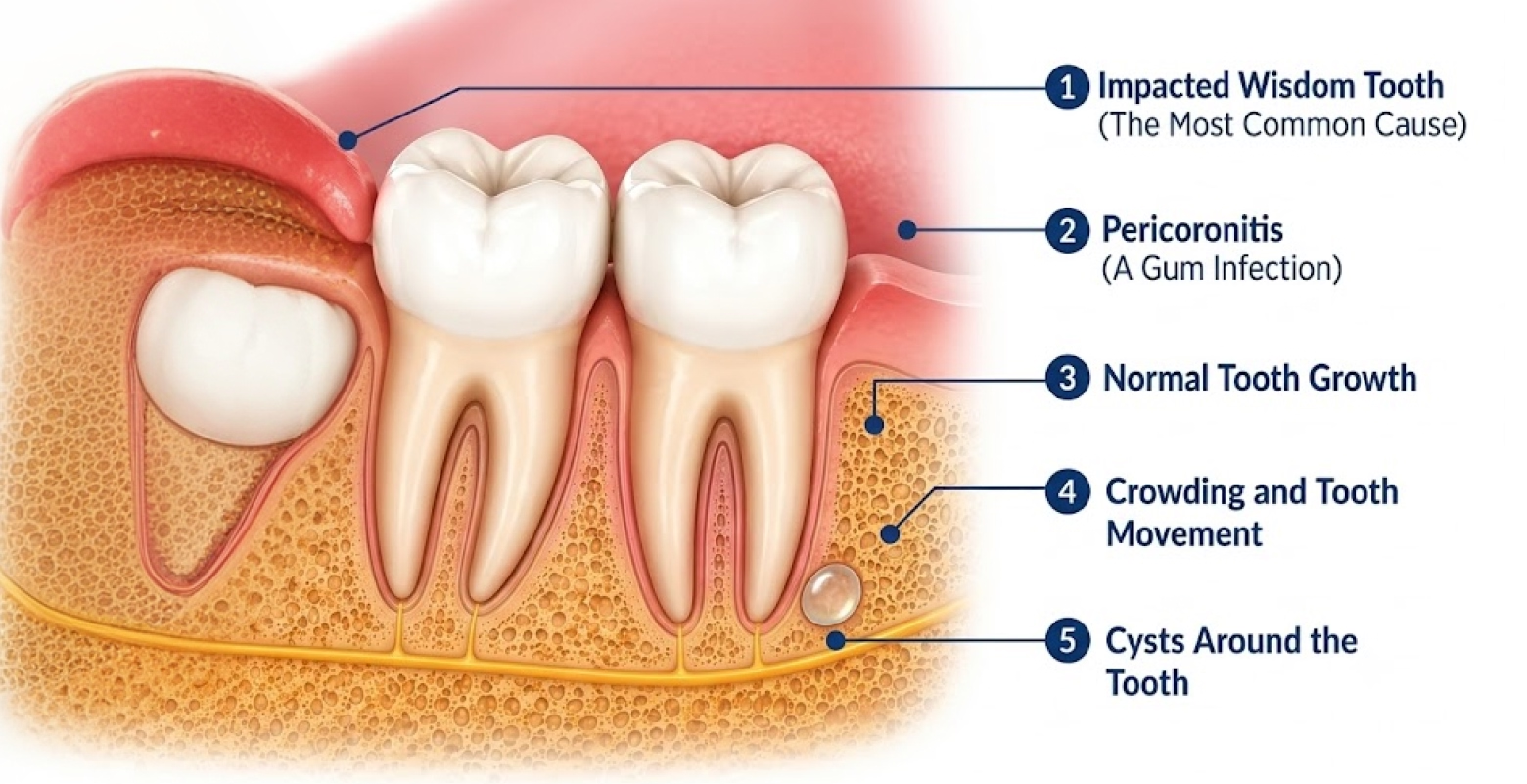
1. Impacted Wisdom Tooth (The Most Common Cause)
If your wisdom tooth is stuck, it can cause jaw pain. The more stuck it is or the more it grows at an angle, the more pain you may feel.
If your wisdom tooth only partly comes through your gum, some gum may still cover it. Food and bacteria can get trapped under the gum, making it hard for you to clean the area.
At Crystal Clear Dental, when we check for wisdom tooth pain, we look at how the tooth is growing. We also check if it is stuck under the gum. Checking the nearby gums and teeth for swelling or infection also helps us choose the right treatment for the patient.
2. Pericoronitis (A Gum Infection)
If your wisdom tooth only comes through the gum partway, a small flap of gum can cover part of the tooth. Food and bacteria can get trapped under this flap, making it very hard to keep clean.
This can lead to pericoronitis, an infection around the wisdom tooth. You may notice:
- Swollen, red, or sore gums
- Pain in the back of your jaw
- Trouble opening your mouth
- A bad taste or bad breath
Pericoronitis usually doesn’t go away on its own. You’ll need treatment from a dentist.
3. Normal Tooth Growth
Your wisdom teeth don’t have to be impacted to cause jaw pain. Even if they’re growing in the right direction, they still have to push through your gums and jawbone.
This pressure can make your jaw feel sore or achy. You may feel the pain sometimes, then feel better. This can happen for weeks or months as your wisdom tooth grows.
4. Crowding and Tooth Movement
Imagine what happens if there’s not enough room for your wisdom tooth? It may push against the tooth next to it.
This can put pressure on your other teeth and cause them to move slightly. It can also put extra pressure on your jaw joint (TMJ). You may feel pain across your jaw rather than in a single spot.
5. Cysts Around the Tooth
Sometimes, a stuck wisdom tooth can cause a dentigerous cyst. This is a small sac filled with fluid that forms around the tooth. It can grow slowly without causing pain at first.
If the cyst gets bigger, it can affect your jawbone and nearby teeth, causing a deep, dull pain.
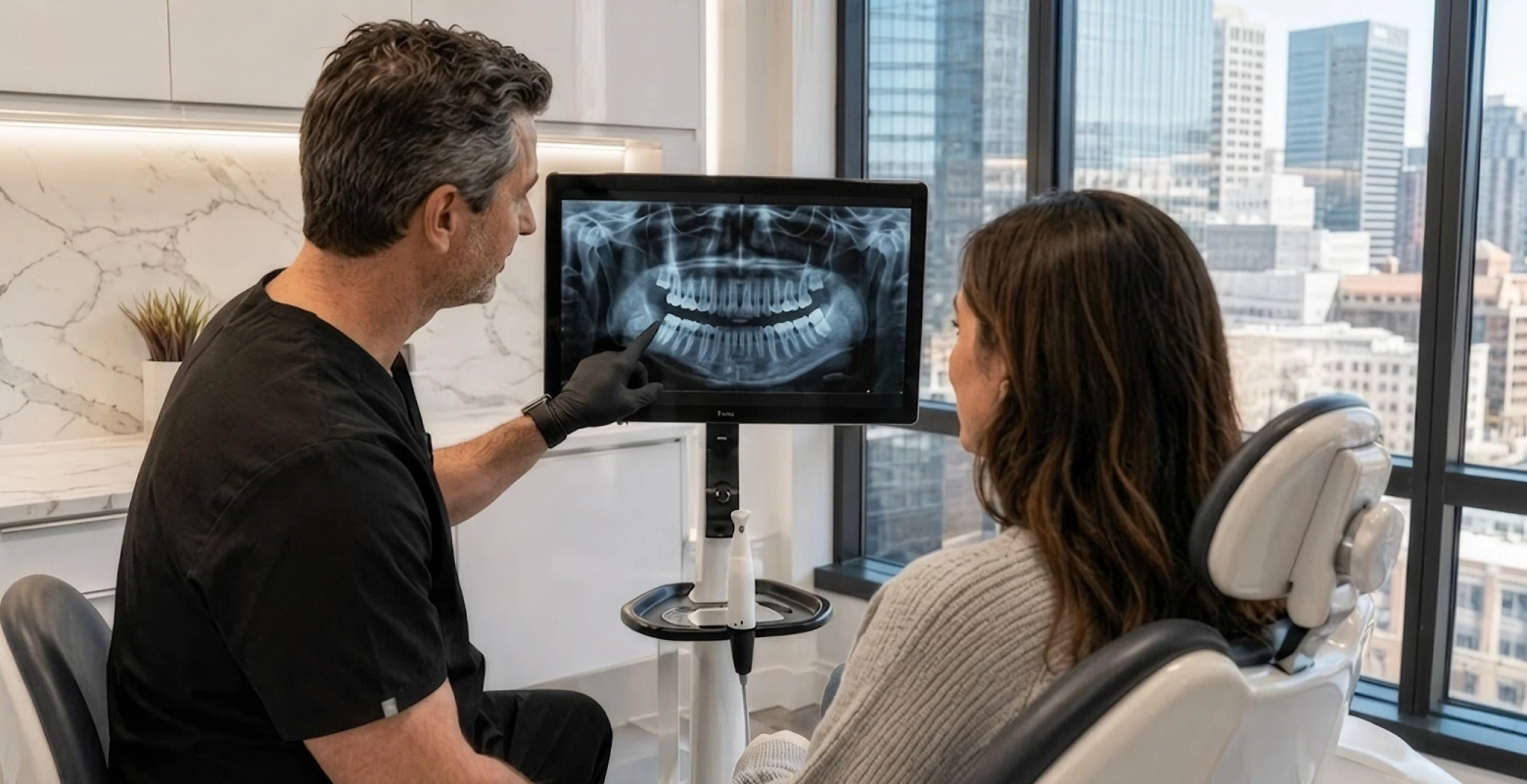
When we check a wisdom tooth that is stuck under the gum, we may use an X-ray to see its position and the area around it. An X-ray can also show signs of a cyst around the tooth.
What Does Wisdom Tooth Jaw Pain Feel Like? (Symptom Checklist)
Your jaw pain may feel different from a normal toothache. Here are some symptoms you may notice:
| Symptom | Possible Cause |
| Dull ache behind your last molar | Wisdom tooth growing in or impacted |
| Pain when chewing | Crowding or gum infection (pericoronitis) |
| Trouble opening your mouth | Swelling and tight jaw muscles |
| Swollen, sore gums | Gum infection (pericoronitis) |
| Pain near your ear | Pain spreading through the trigeminal nerve |
| Headache starting from your jaw | Nerve irritation or muscle tension |
| Bad taste or bad breath | Food and bacteria trapped under the gum |
| Pain that comes and goes | Wisdom tooth growing in or becoming impacted |
| Tight jaw | Swelling causing muscle stiffness (trismus) |
How to Relieve Jaw Pain From Wisdom Teeth at Home

These tips can help ease your pain until you can see a dentist. They won’t fix the problem, but they can make you more comfortable.
Use a Cold Compress
Place an ice pack or a cold cloth on the outside of your cheek for 15-20 minutes at a time. Do this 2-3 times a day. The cold helps reduce swelling and numbs the area.
Take Ibuprofen
If you can take it safely, ibuprofen is usually a better choice than acetaminophen (Tylenol) because it reduces both pain and swelling. Take it only as directed on the label.
Rinse with Warm Salt Water
Firstly, mix ½ teaspoon of salt with warm water. Then, swish it around your mouth for 30 seconds, then spit it out. Do this a few times a day, especially after eating. It can help keep the area clean and ease sore gums.
Try Clove Oil
Clove oil contains eugenol, a natural compound that can temporarily numb the area. Put a small amount on a cotton ball and gently hold it against your sore gum for a few minutes.
Eat Soft Foods
Choose soft foods and chew on the side of your mouth that doesn’t hurt. This puts less pressure on your painful wisdom tooth and can make eating more comfortable. Jaw pain when chewing can improve significantly with just this one temporary change.
Important: These home remedies only relieve your symptoms. They won’t fix an impacted wisdom tooth, treat an infection, or remove a cyst. If your pain keeps coming back, gets worse, or you have swelling or a fever, see a dentist as soon as you can.
If you need faster relief, check this guide on how to stop jaw pain immediately for more ways to manage the pain.
Can Wisdom Teeth Cause Jaw Pain Without Any Tooth Pain?
Yes, and this is one of the most confusing parts of wisdom tooth pain. Your wisdom tooth may not hurt at all, but you can still feel pain in your jaw, ear, or even your head.
Here’s why.
Your teeth, gums, jaw, and ears are all connected by the same main nerve. This nerve is called the trigeminal nerve.
When a wisdom tooth puts pressure on this nerve, you may feel pain in other areas. This is called referred pain. It means the problem is in one place, but you feel the pain somewhere else.
You may notice:
- A dull pain in your jaw without a toothache
- Pain or pressure near your ear
- A headache that starts near your jaw
- Pain along your jaw, even when your teeth don’t hurt
Because of this, you may think you have an ear problem. But if your ears are fine and your jaw and ear still hurt, your wisdom tooth may be the cause. The trigeminal nerve is often the reason the jaw and teeth pain seems to spread.
Can Wisdom Teeth Cause Jaw Pain AND Headaches?
Yes, wisdom teeth can cause headaches. This usually happens in two ways.
1. Nerve Irritation
If your wisdom tooth is stuck or swollen, it can affect the trigeminal nerve. This nerve carries pain from your teeth and jaw to your brain.
Because of this, you may feel pain in your forehead or temples, not just in your mouth.
2. Muscle Tension
When your jaw hurts, you may tighten your jaw muscles without noticing. And guess what? Even this little thing can cause a headache over time.
If you often have headaches along with jaw pain, especially if you also have pain near your back teeth or ear, your wisdom teeth could be the cause.
Wisdom tooth headaches often:
- Get worse when you chew or open your mouth wide
- Happen along with jaw stiffness or sore gums
- Feel better after taking over-the-counter (OTC) pain medicine, but come back later
When we check these symptoms, we look at your wisdom teeth, gums, jaw movement, and the muscles around your jaw. An X-ray can also show if a wisdom tooth is stuck or causing a problem.
How Long Does Jaw Pain From Wisdom Teeth Last?
How long your jaw pain lasts depends on what’s causing it.
If Your Wisdom Tooth Is Growing In Normally
The pain usually comes and goes. You may feel sore for a few days, then feel better before the pain returns. This can happen over several weeks or even months as your wisdom tooth slowly comes in.
If You Have an Infection (Pericoronitis)
The pain usually doesn’t go away on its own. In fact, it often gets worse until you get treatment. Your dentist may clean the area, prescribe antibiotics if needed, or recommend removing the wisdom tooth.
After Wisdom Tooth Extraction
Recovery timelines are predictable for most people:
| Days After Surgery | What You Can Expect |
| Days 1–2 | Pain, swelling, and jaw stiffness are normal. |
| Days 3–5 | Pain and swelling start to improve. |
| Days 6–10 | Most people feel much better, though mild stiffness may remain. |
| Around 2 weeks | Most people are back to normal, but healing under the gum continues. |
When Is Wisdom Teeth Removal Necessary?
Not every wisdom tooth needs to be removed. If your wisdom tooth grows fully, grows straight, fits well with your other teeth, and is easy to clean, your dentist may just check it from time to time.
Your dentist may suggest removing it if:
- It is stuck and keeps causing pain or pressure.
- You keep getting gum infections.
- It is hurting the tooth next to it.
- A cyst has formed around it.
- It is making your teeth crowded or changing your bite.
- You have an abscess or a serious infection.
If you are not sure if you need your wisdom tooth removed, your dentist can check your mouth and take an X-ray. The position of your wisdom tooth is also important, not just your symptoms.
At Crystal Clear Dental, the wisdom teeth removal service includes a full exam and digital X-rays. We also explain your treatment options before any procedure, so you know what to expect.
When Should You See a Dentist for Wisdom Tooth Jaw Pain?
Some wisdom tooth pain may go away on its own. But some signs mean you should see a dentist soon.
See a Dentist Soon If You Have:
- Jaw pain that lasts more than a week
- Swelling in your cheek, jaw, or gums that’s getting worse
- Trouble opening or closing your mouth
- A bad taste or bad smell in the back of your mouth
- Jaw pain with ear pain, but no ear infection
- Pain that spreads to your neck or throat
Get Immediate Medical Care If You Have:
- A fever with jaw pain or swelling
- Fast-growing swelling in your face
- Trouble swallowing or breathing
- Pus near your back molar
These symptoms may mean you have a serious infection that can spread. Don’t wait to get treatment.
If you have jaw pain and are not sure what to do, see a dentist. It is better to get it checked early.
FAQs
Can wisdom teeth cause jaw pain on just one side?
Yes. If only one wisdom tooth is growing in or impacted, you may only feel pain on that side. Swelling and ear pain usually happen on the same side as the affected tooth.
Can wisdom tooth jaw pain come and go?
Yes. As your wisdom tooth grows in, the pain may come and go over several days or weeks. But if the pain becomes constant or you notice swelling, you should see a dentist.
Can wisdom teeth cause jaw pain before they come through the gum?
Yes. Even if you can’t see your wisdom tooth, it can still push against your jawbone and gums, causing pain.
Is wisdom tooth jaw pain worse at night?
It can be. When you lie down, more blood may flow to your head, which can make the pain feel worse. You may also clench your jaw while sleeping, which can make the pain worse.
Do upper and lower wisdom teeth cause different pain?
Yes. Upper wisdom teeth may cause pain or pressure in your upper jaw or near your sinuses. Lower wisdom teeth may cause deeper jaw pain that can spread to your ear.
Will removing your wisdom teeth stop the jaw pain?
In most cases, yes. If your wisdom tooth is causing the pain, removing it usually solves the problem. Most people start feeling much better within the first week after surgery.
Conclusion
Hopefully, we clarified your question “can wisdom teeth cause jaw pain?” Wisdom teeth are a common cause of jaw pain, especially if they’re impacted, infected, or don’t have enough room to grow.
The good news is that a dental exam and X-ray can identify the problem, and the right treatment can help relieve your pain.
If you’re in San Antonio, Crystal Clear Dental offers wisdom tooth exams, digital X-rays, and comfortable removal options. Call (210) 900-4400 or book your appointment online.