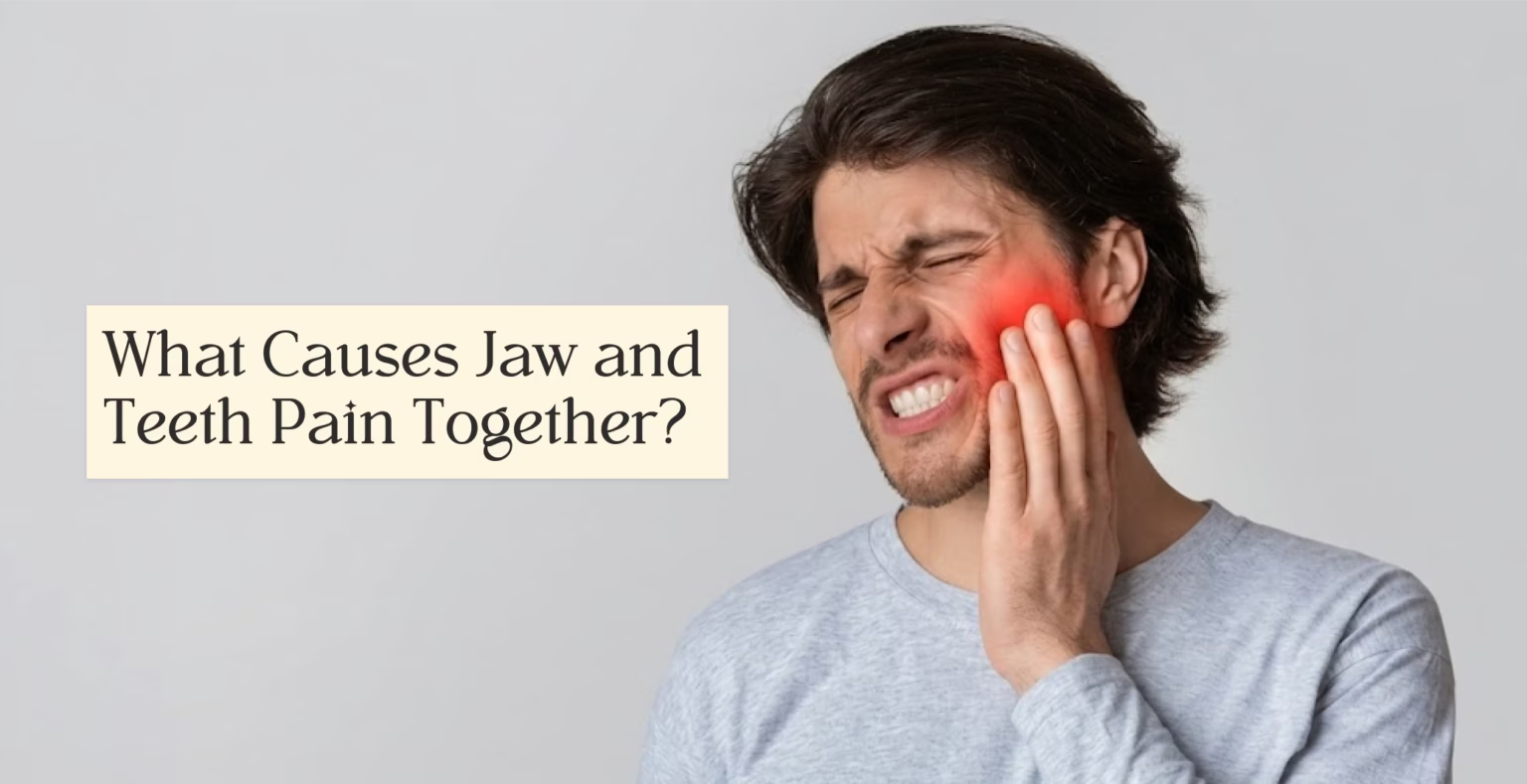
If you have pain in both your jaw and teeth, it can be difficult to tell where it is coming from. The pain may spread across your mouth and make it feel like your whole jaw or several teeth hurt at once. This can make eating, talking, and even sleeping uncomfortable. A complete guide to jaw pain will easily explain the topic in more detail.
So, why do your jaw and teeth hurt together? Mostly, it happens because they share the same nerves. Problems like teeth grinding, a tooth infection, sinus pressure, or nerve irritation can cause pain in both your jaw and teeth.
In this guide, you’ll learn why this happens, how to match your symptoms to the most likely cause, common and less obvious reasons for jaw and tooth pain, simple ways to get relief at home, and when you should see a dentist.
Table of Contents
Why Do Your Jaw and Teeth Hurt at the Same Time?
It can be confusing when your tooth hurts and your jaw hurts at the same time. The pain may not always come from the same place.
Your teeth, gums, temporomandibular joints (TMJ), sinuses, and other parts of your face share some of the same nerve pathways. One of the main nerves involved is the trigeminal nerve.
According to the Cleveland Clinic, this nerve helps you feel things in your face and chew.
Since the same nerve connects to many areas, your brain may not always know exactly where the pain starts. In this case, pain from one area can feel like it’s coming from other areas too.
This is called referred pain. For example, one infected tooth can make your whole jaw hurt.
This is why we do not look at the painful spot alone. When you have both tooth and jaw pain, we check the teeth and gums, your jaw joint, and the muscles around it.
We also ask when the pain started, what makes it worse, and whether you have other symptoms such as sensitivity, swelling, clicking, or pain when you chew.
These details help us work out whether the pain is coming from a tooth, the jaw, or another nearby area. The treatment then depends on what we find. A tooth infection may need dental treatment, whereas jaw muscle pain may need a different approach.
Match Your Symptoms to a Likely Cause: At A Glance
You can often get a good idea of what is causing your pain by simply looking at how it feels and when it happens. Use this quick guide to find the most likely cause, then read the next section for more details.
| If your pain feels like… | The likely cause |
| Sore jaw and achy teeth, worst in the morning | Teeth grinding or clenching |
| Dull ache, worse when you chew, clicking near the ear | TMJ disorder |
| Throbbing in one tooth and the jaw, with swelling | Tooth infection or abscess |
| Upper teeth and jaw ache with a stuffy nose | Sinus infection |
| Sudden, sharp, electric jabs on one side | Nerve pain |
| Aching teeth and jaw during a cold or flu | Illness or sinus pressure |
Note: Take this as a guide; it will not diagnose the problem. You should see a dentist to find out exactly what is causing your pain.
Common Causes of Jaw and Teeth Pain: Detailed Guide
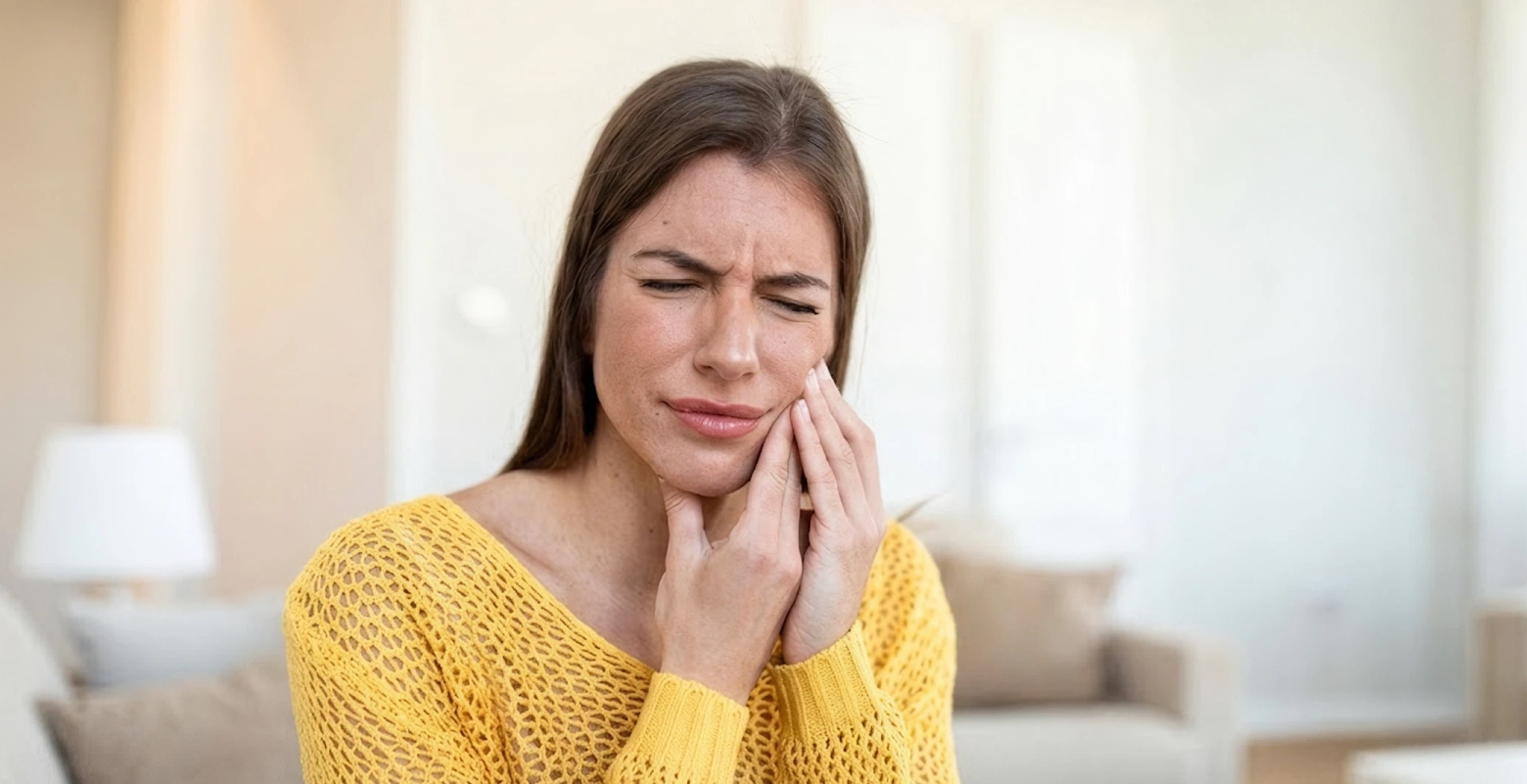
Most jaw and tooth pain is caused by a few common problems, such as teeth grinding, infections, or nerve conditions. Some causes are easy to spot, while others are not. Below are the details.
Teeth Grinding and Clenching (Bruxism)
You may grind or clench your teeth without even realizing it. This usually happens when you sleep.
This puts extra pressure on your teeth and jaw muscles. As a result, you may wake up with a sore jaw, aching teeth, or tooth sensitivity.
TMJ Disorder
Your temporomandibular joints (TMJ) are just in front of your ears. They help you open and close your mouth. If these joints are strained, you may feel pain in the jaw and teeth.
You may also notice clicking when you open your mouth, pain while chewing, or a dull ache. TMJ problems can also cause headaches and jaw pain because the same muscles connect to the sides of your head.
Tooth Problems (Cavity, Abscess, or Cracked Tooth)
Sometimes, jaw pain actually starts with a tooth. A cavity, cracked tooth, or tooth infection can cause pain that spreads into your jaw and make it hard to tell where the problem began.
A tooth abscess is a pocket of infection around a tooth. It can cause severe pain, swelling, a bad taste in your mouth, or pain when you bite. An abscess needs dental treatment because the infection will not go away on its own.
When a patient comes in with both tooth and jaw pain, we check the teeth for signs of decay, cracks, infection, or other problems. We also ask about their symptoms, such as whether the tooth hurts when they bite. These details help us work out whether the pain is coming from the tooth or your jaw.
Wisdom teeth can also cause pain as they come in, especially if there is not enough room for them to grow properly.
Learn more in “Can Wisdom Teeth Cause Jaw Pain?”
Sinus Infections
Your upper back teeth are close to your sinuses. When you have a sinus infection, swelling can put pressure on the roots of these teeth.
This can make your upper teeth and jaw ache. You may also have a stuffy nose, facial pressure, or a headache. The pain usually goes away once the sinus infection improves.
Nerve Pain (Trigeminal Neuralgia)
Sometimes, the problem comes from a nerve. Trigeminal neuralgia can cause a sudden and sharp pain that feels like an electric shock. It usually happens on one side of your face.
Simple things like brushing your teeth, washing your face, or breathing in cold air can trigger the pain. You may think you have a tooth problem at first, so it can take time to find the real cause. Don’t delay seeing a doctor for the right diagnosis if you have these symptoms.
When You Are Sick or Have a Cold or COVID
A cold, the flu, or COVID can make your jaw and teeth hurt. Congestion and sinus pressure can cause pain in your upper teeth, and body aches or fever may make you clench your jaw more than usual. The pain usually gets better as you recover.
Acid Reflux (GERD)
Acid reflux can sometimes make your teeth sensitive. Stomach acid can reach your mouth and slowly wear down your tooth enamel. This can make your teeth more sensitive to hot, cold, or acidic foods.
When we see tooth sensitivity or enamel wear out of nowhere, we also consider whether acid reflux can have a role here.
If you have frequent acid reflux and ongoing tooth sensitivity, get a dental check to find the cause and protect your teeth.
Hormonal Changes (Perimenopause and Menopause)
Hormonal changes during perimenopause and menopause can affect your mouth. When your hormone levels drop, your mouth may produce less saliva.
Saliva helps protect your teeth. So, having less saliva can make your teeth more sensitive. Stress during this time may also cause you to clench your teeth, which can lead to jaw pain.
Ear Infections
An ear infection can sometimes feel like jaw or tooth pain because your ear is close to your jaw joint. The pain may spread to your jaw and back teeth on the same side.
If you also have ear pressure, ear pain, or hearing trouble, an ear infection could be causing your symptoms.
If you want to learn more about jaw pain, read this detailed guide on the reasons for pain in your jaw.
Jaw and Teeth Pain on One Side (and Nearby Areas)
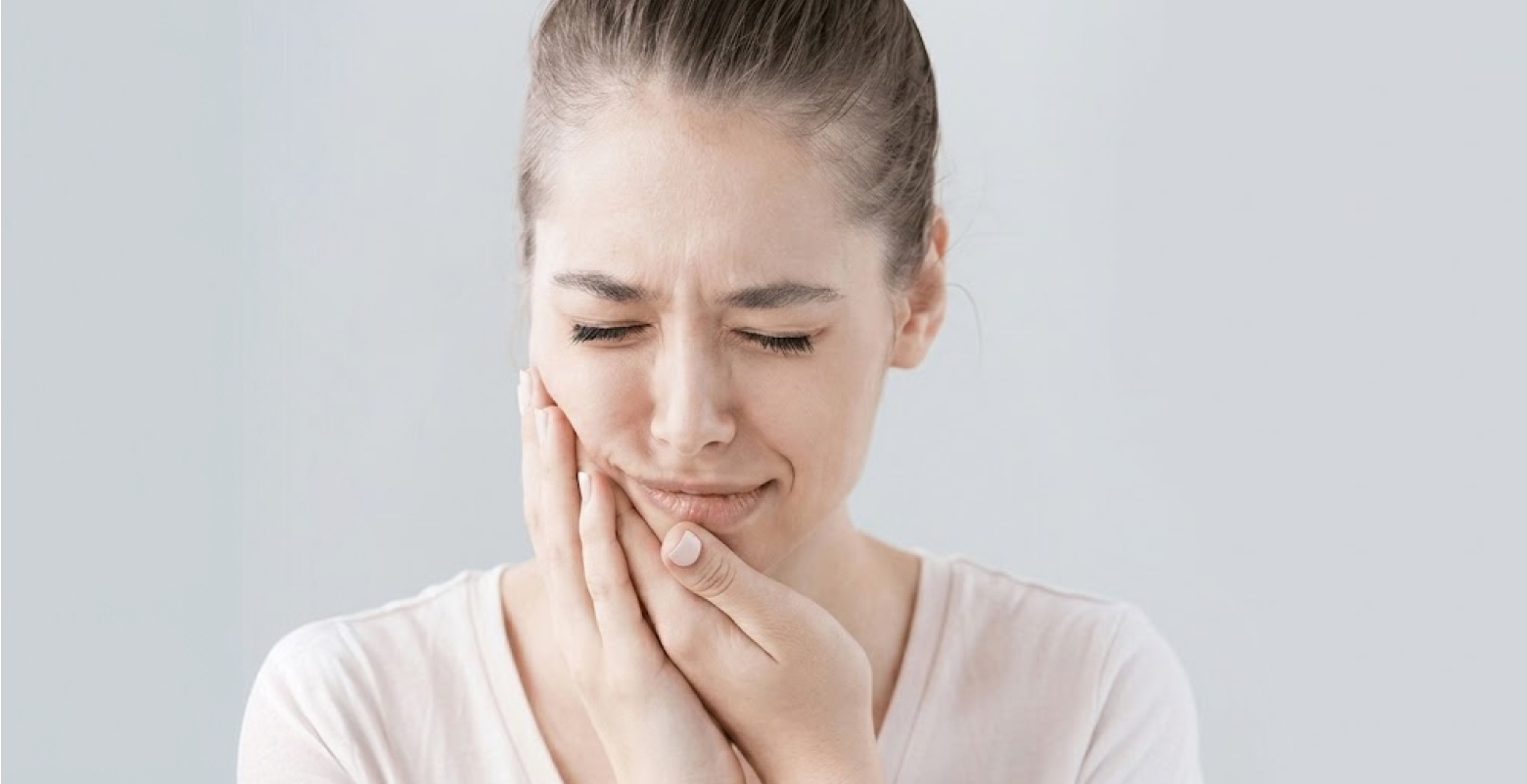
If your jaw and teeth hurt on only one side, the problem is often on that same side. It could be a tooth problem, a jaw joint problem, or pressure from your sinuses. One-sided pain is common and usually not a sign of a serious problem. Where you feel the pain can also give clues about what is causing it.
Here are some common patterns:
| Where you feel the pain | Possible cause |
| Jaw, ear, and teeth on one side | TMJ problem or a tooth infection near the ear |
| Jaw, cheek, and upper teeth | Sinus infection or a problem with an upper tooth |
| Jaw, neck, and teeth | Tight muscles, stress, or teeth clenching |
| Jaw, gums, and teeth | Gum infection or tooth infection |
How to Ease Jaw and Teeth Pain at Home
You can often relieve jaw and tooth pain at home while you figure out the cause. Giving your jaw a chance to rest, reducing pressure on the muscles, and managing pain can help you feel better until you see a dentist if needed.
Here are some simple things you can do:
- Rest your jaw. Avoid chewing gum and hard or chewy foods for a few days.
- Use a cold or warm compress. Apply a cold pack if you have sharp pain or swelling. Use a warm compress if you have a dull ache or tight jaw muscles. Hold it on the sore area for 10 to 15 minutes at a time.
- Keep your teeth slightly apart. If you are not eating or talking, let your jaw relax rather than clenching your teeth.
- Rinse with warm salt water. If your tooth or gums feel sore, a warm saltwater rinse may help soothe the area.
- Take an over-the-counter pain reliever if needed. Always follow the instructions on the label.
For a complete step-by-step routine, read our guide on how to stop jaw pain immediately. These home remedies can help for a short time, but if your pain lasts longer than a day or two or keeps getting worse, make an appointment with your dentist.
When to See a Dentist or Doctor
You should not ignore jaw and tooth pain that does not go away. If the pain lasts more than a day or two, keeps coming back, or is accompanied by swelling or a fever, you should see a dentist.
See a dentist if you have:
- Jaw or tooth pain that lasts longer than one or two days
- Swelling, a bad taste in your mouth, or a fever, which may be signs of an infection
- Jaw pain or soreness when you wake up, which may be caused by teeth grinding
- Clicking, locking, or difficulty opening your mouth.
See a doctor if you have:
- A cold, sinus infection, or ear symptoms that do not get better
- Suddenly, sharp pain on one side of your face, which may be caused by a nerve problem
Go to the ER or call 911 right away if you have:
- Jaw pain along with chest pain, shortness of breath, or nausea
- A jaw that is locked shut or jaw pain after an injury or accident
For more information about when you should get medical care, read when to see a doctor for jaw pain.
Dental Treatments for Tooth Nerve Pain
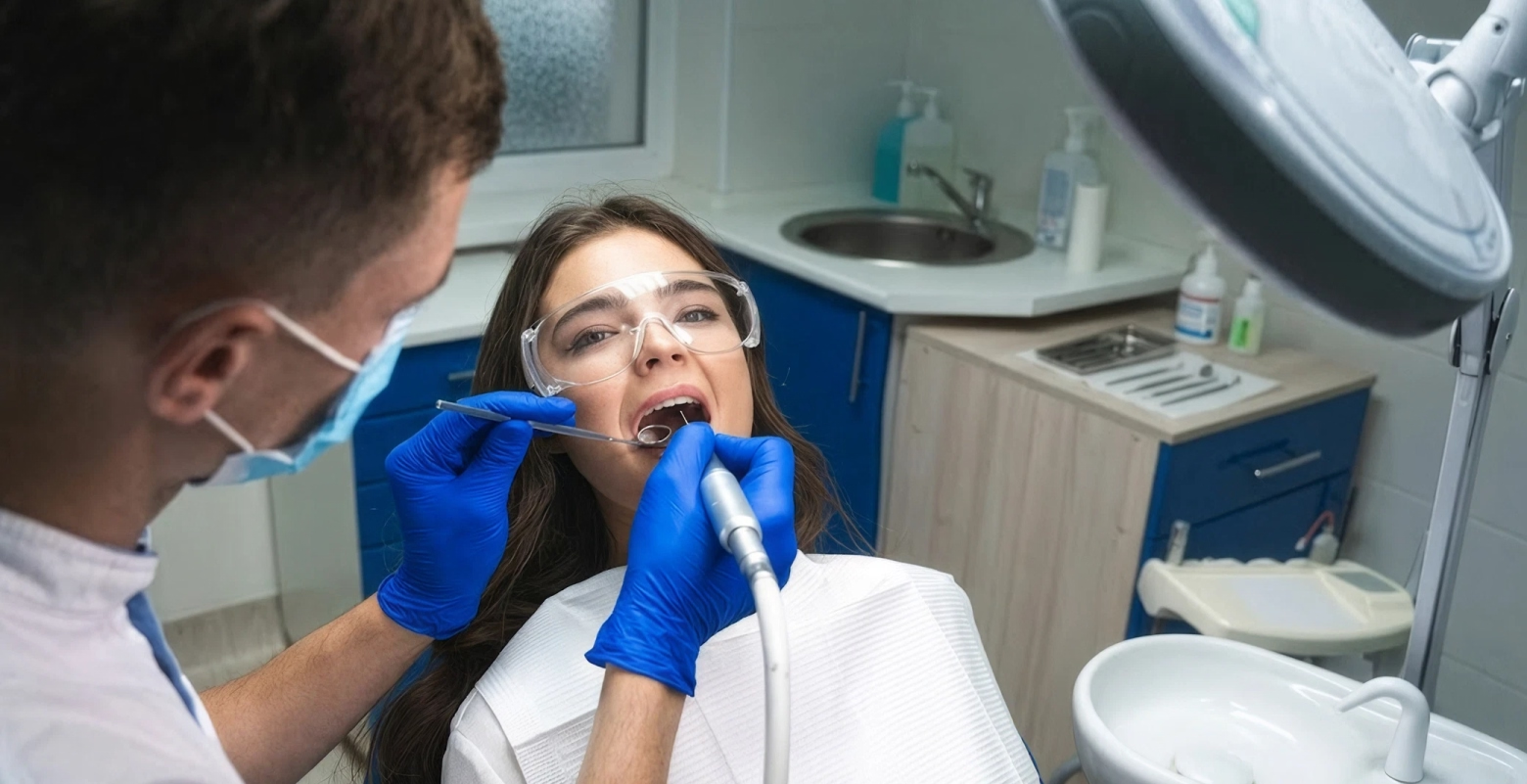
If your jaw and tooth pain is caused by a tooth nerve or your jaw joint, a dentist can treat the underlying problem rather than just the pain. The treatment you need depends on what is causing your symptoms.
Common treatments include:
- A filling or dental crown if you have a cavity or a cracked tooth.
- Root canal treatment is needed if the nerve inside your tooth is infected. This removes the infection, saves your tooth, and stops the pain. Modern root canals are much more comfortable than many people expect.
- Treatment for a tooth abscess may include draining the infection and, in some cases, antibiotics.
- A custom night guard if you grind or clench your teeth while you sleep. This helps protect your teeth and reduces pressure on your jaw.
- TMJ and TMD treatment if your jaw joint is the source of the pain. Depending on your needs, this may include jaw exercises, a splint, or other treatments.
If your jaw and tooth pain keep coming back, the team at Crystal Clear Dental in San Antonio can find the cause and recommend the right treatment for you. Getting treatment early can stop a small problem from becoming a bigger one.
FAQs
Can a tooth problem cause jaw pain even if your tooth does not hurt?
Yes. A tooth problem can cause pain in your jaw even if the tooth itself feels fine. This happens because your teeth and jaw share the same nerve. A dentist can find the hidden cause with an exam and X-rays.
Why do your teeth and jaw hurt if your dentist says everything looks normal?
Your pain may be coming from your muscles or nerves instead of your teeth. Teeth grinding, stress, or nerve irritation can all cause real pain, even if your teeth and X-rays look healthy.
Can stress or dehydration cause jaw and tooth pain?
Yes. Stress can make you clench your teeth, which puts extra pressure on your jaw and teeth. Dehydration can also make your muscles tense and cause dry mouth, which may worsen the pain. Drinking enough water and giving your jaw time to rest can help.
Can jaw and tooth pain be a sign of a heart problem?
It is rare, but it can happen. If you have jaw pain along with chest pain, shortness of breath, sweating, or nausea, especially on the left side, call 911 right away. These can be signs of a heart attack.
Why do toothaches hurt worse when lying down?
Lying down can make sinus pressure or acid reflux affect your teeth more. Many people also clench or grind their teeth while they sleep. This is why your jaw and teeth may feel more painful at night or when you wake up.
Can allergies cause jaw and tooth pain?
Yes. Allergies can block your sinuses and create pressure around the roots of your upper teeth. This pressure can make your upper teeth and jaw ache. The pain usually improves as your sinus pressure eases.
Should you worry about jaw and tooth pain during pregnancy?
Usually not, but you should tell your dentist about it. Hormone changes during pregnancy can make your gums more sensitive and may also increase teeth grinding or clenching. Good oral care and regular dental checkups can help prevent the pain from getting worse.
Conclusion
This is all about jaw and teeth pain. Hopefully, you’ve got to know the answer you were looking for. Jaw and tooth pain often happen together because your teeth and jaw share the same nerve. Common causes include teeth grinding, a tooth problem, sinus pressure, or nerve irritation.
The good news is that most of these problems can be treated once you know what is causing the pain.
Pay attention to how your pain feels, when it happens, and how long it lasts. Simple home care may help if the pain is mild and only lasts a short time.
But if your pain does not go away, keeps coming back, or comes with swelling or a fever, you should see a dental or healthcare professional. If you have jaw pain along with chest pain or trouble breathing, call 911 right away because it could be a medical emergency.