
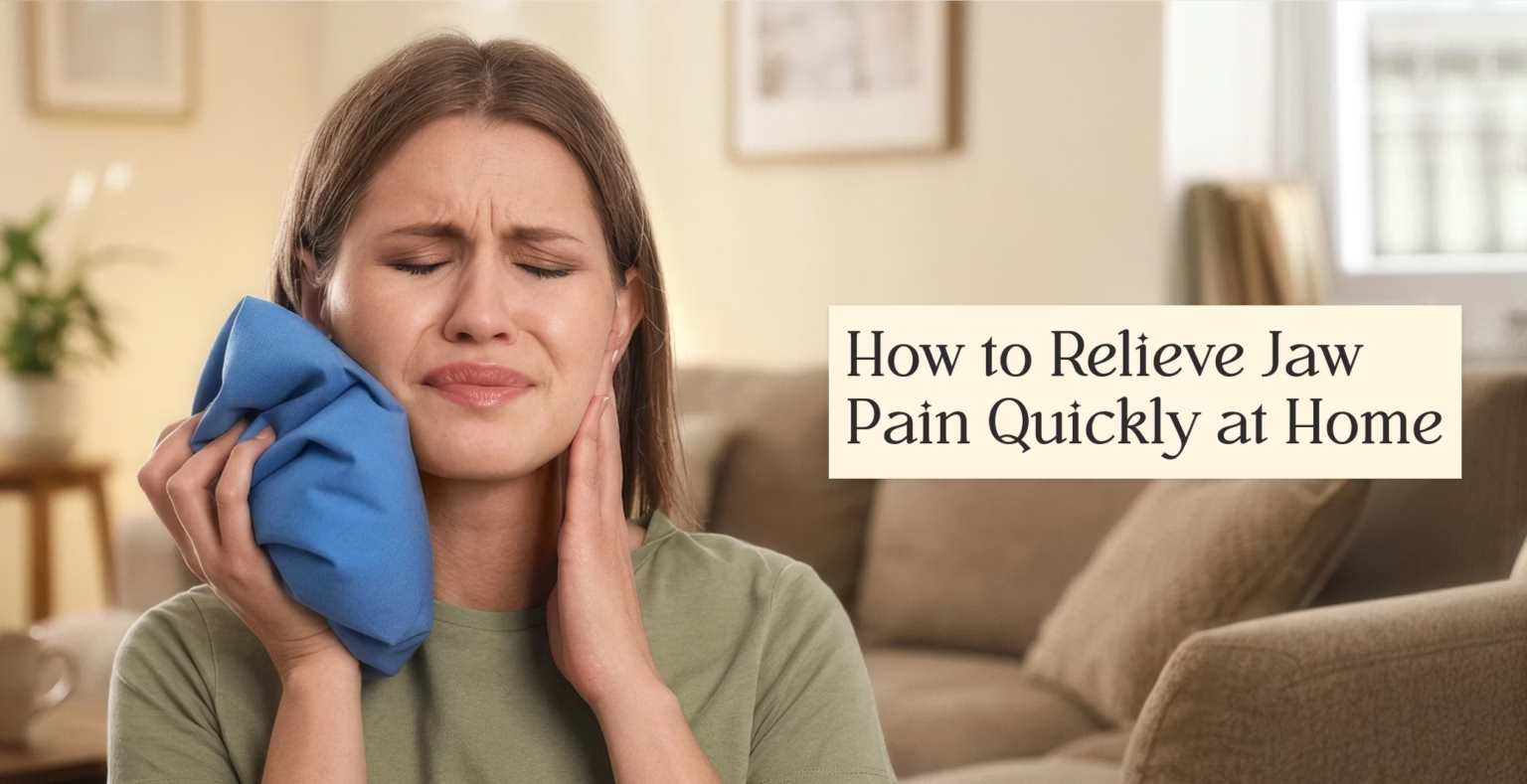
Jaw pain can make it hard to talk, eat, or even yawn. In many cases, jaw pain is caused by temporomandibular disorders (TMD), a group of conditions that affect your jaw joint and the muscles around it. Other causes, such as dental problems or teeth grinding, can also lead to jaw pain.
Whatever the reason is, you surely want quick relief. Here’s the good news: you can follow some simple tips that can make you feel better in no time.
So, how can you stop jaw pain immediately? Just apply a cold or warm compress for 10 to 15 minutes, gently massage the sore area, and take an over-the-counter pain reliever if needed.
These small steps will help you reduce pain, relax your jaw muscles, and give the joint time to recover.
In this guide, you’ll learn a simple 5-minute jaw pain relief routine, when to use ice or heat, and which pain relievers may help. We will also share the most common causes of jaw pain and the signs that mean you should see a healthcare professional.
Table of Contents
Stop Jaw Pain in the Next 5 Minutes (Quick-Relief Checklist)
Here’s what you can do to get immediate relief from jaw pain.
- Rest your jaw: Stop chewing, talking, or opening your mouth wide for a few minutes. Let your jaw relax naturally.
- Relax your jaw muscles: Keep your lips closed but your teeth slightly apart. Rest your tongue gently behind your upper front teeth. This is your jaw’s natural resting position.
- Use a cold or warm compress: Place a cold pack or warm compress on the painful area for 10 to 15 minutes.
- Massage the sore area: Use two fingers to gently massage the muscles in front of your ear with slow circular motions for 30 to 60 seconds.
- Take a pain reliever if needed: An over-the-counter pain reliever can help reduce pain while your jaw recovers.
- Eat soft foods: Choose soft foods for the rest of the day so your jaw does not have to work as hard.
Which Should You Use: Ice or Heat
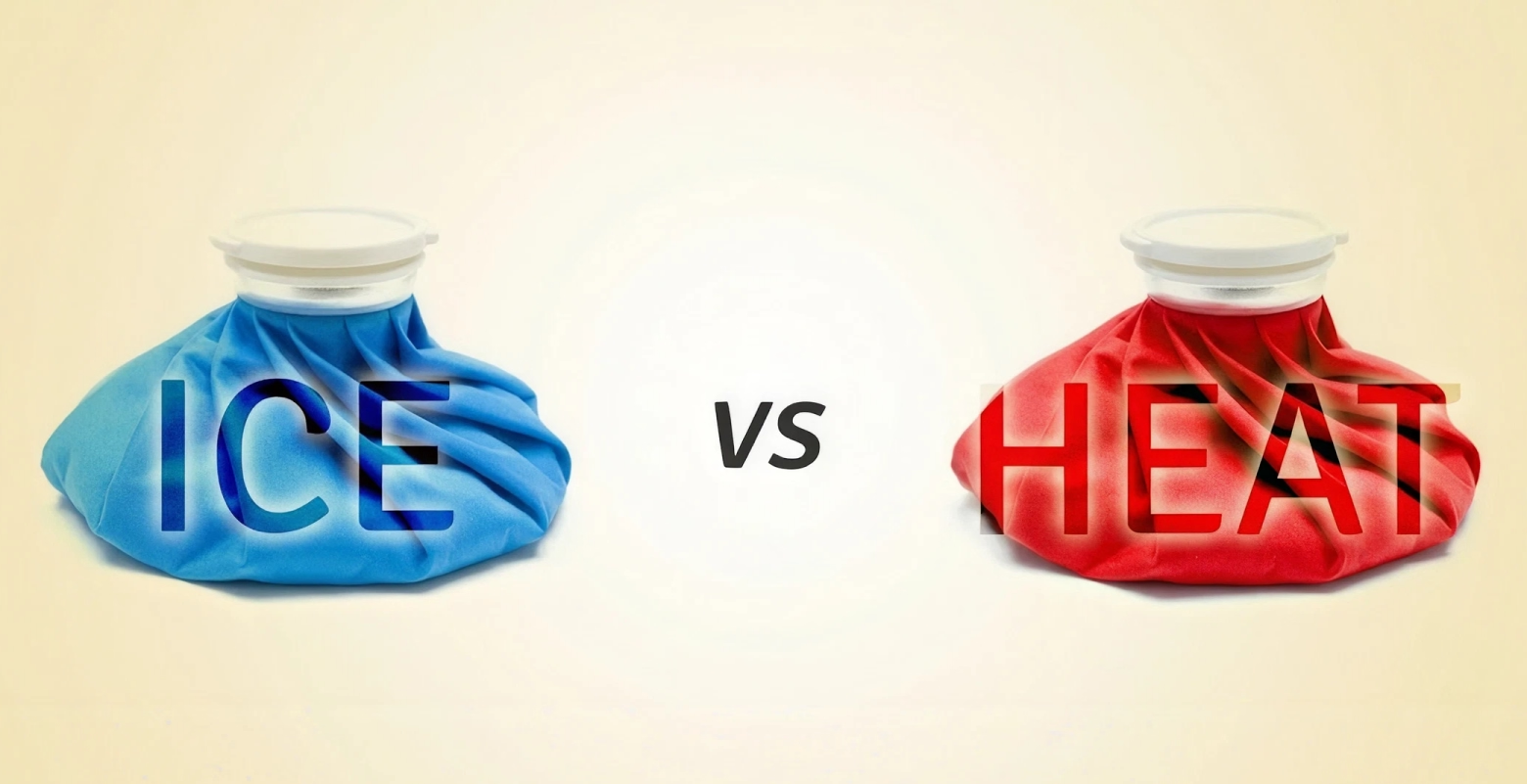
You can use both ice and heat, as they help with jaw pain. However, the right option depends on how your jaw feels.
When to Use a Cold Pack
If you feel a sharp pain in your jaw or, let’s say, the pain started after an injury, you should go for a cold pack. Cold works well to reduce swelling and numb the painful area.
Before you use a cold pack on your jaw, wrap it in a thin towel. It’s because placing ice directly on your skin can be risky. Hold it on the sore area for 10 to 15 minutes, then wait about 2 hours before using it again.
When Should You Use a Warm Compress?
You can benefit from heat if your jaw has a dull ache or if it feels stiff. It’s usually common when you wake up in the morning. Heat improves blood flow and helps your jaw muscles relax.
Take a warm, damp cloth or a heat pack and place it on the sore area for 10 to 15 minutes. If you feel the pain getting worse with heat, pause and switch to a cold pack instead.
The Best Medicine for Jaw Pain (and What to Avoid)
For mild jaw pain, an over-the-counter pain reliever may help. You can take Ibuprofen, as it can reduce both pain and swelling. Acetaminophen can help with pain, but it does not reduce swelling.
The American Dental Association also recommends medicines like ibuprofen, alone or with acetaminophen, as the first choice for short-term dental pain.
When we assess jaw pain, we also look for what is causing it. Painkillers may help you feel better, but it does not treat problems such as a tooth infection, a damaged tooth, or a TMJ problem.
Always follow the dose on the label. If you take other medicines or have stomach, kidney, or heart problems, check with your doctor or pharmacist before taking ibuprofen or other anti-inflammatory medicines.
NSAIDs (Ibuprofen and Naproxen)
NSAIDs (Nonsteroidal anti-inflammatory drugs) are usually the best choice if your jaw is sore or swollen. They reduce pain and swelling, which helps when your jaw joint or muscles are irritated. Ibuprofen works faster, but naproxen lasts longer.
Before you take the medicines, eat something so you don’t upset your stomach. If you have stomach ulcers or kidney issues, consult a doctor before taking the medicines.
Acetaminophen (Tylenol)
If you cannot take NSAIDs, acetaminophen is a good alternative. It helps relieve pain but does not reduce swelling. Because of that, it may not work as well if your jaw is inflamed.
Follow the dose on the label, and do not take it with other medicines that also contain acetaminophen. Taking too much can damage your liver.
What to Avoid
Be very cautious with this; do not put any painkiller directly on your tooth or gum. For example, if you place aspirin on your gums, it can burn the tissue and cause you more pain.
We also do not recommend relying on pain medicine for ongoing jaw pain. If you need painkillers for more than a few weeks, see a dentist or doctor. Pain medicine may reduce the discomfort, but it will not fix the cause of your jaw pain.
Why Your Jaw Hurts: Common Causes
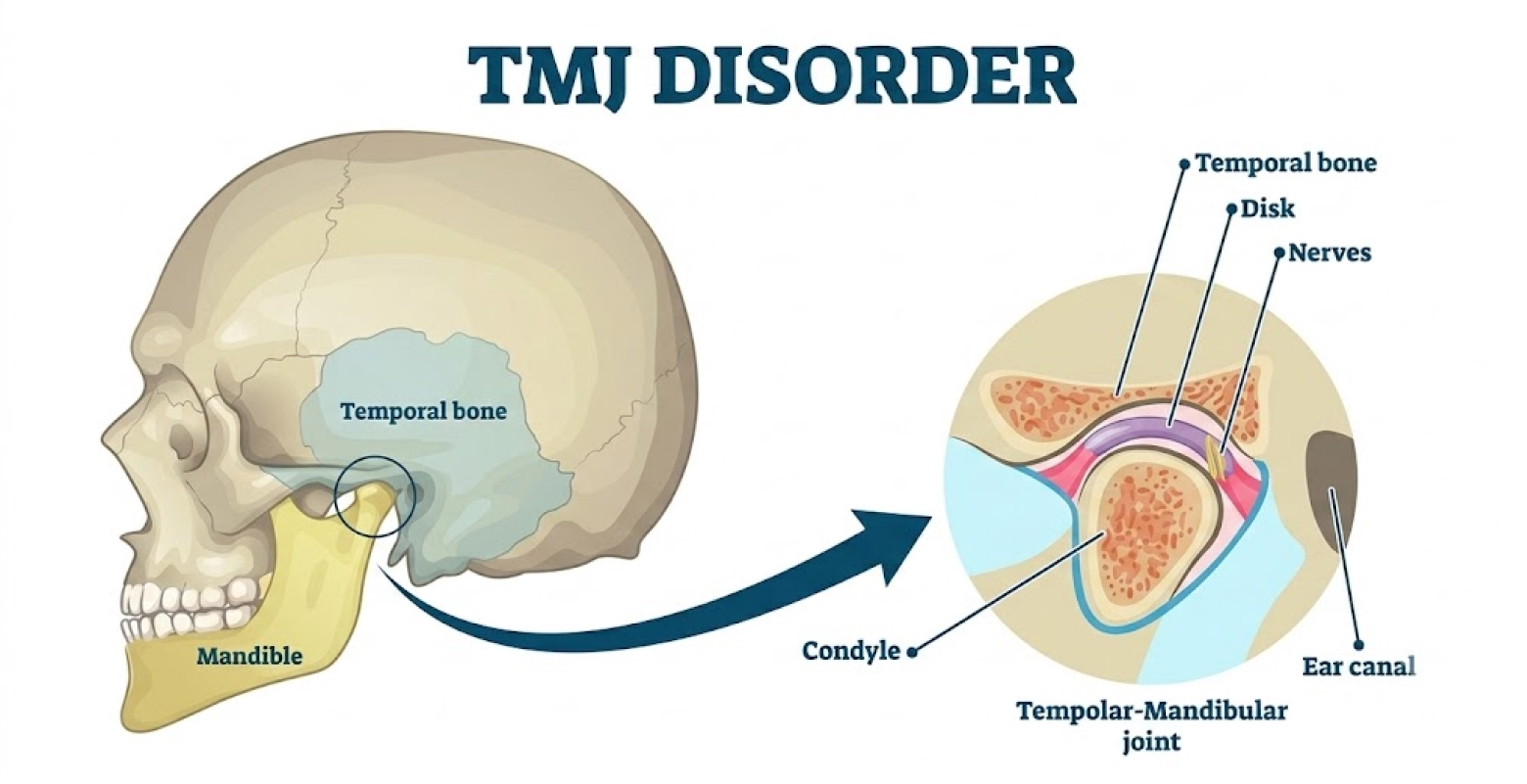
Most jaw pain starts in your jaw joint or the muscles around it. This often happens because you clench or grind your teeth or hold tension in your jaw when you are stressed. Your jaw joint, called the temporomandibular joint (TMJ), is just in front of each ear. When the joint or nearby muscles are overworked, you can feel pain.
The most common causes of jaw pain include:
- Clenching or grinding your teeth, especially while you sleep or when you are stressed
- TMJ disorder, which affects your jaw joint and muscles
- A dental problem, such as a cavity, cracked tooth, or infection
- Sinus pressure that causes pain in your upper jaw
- Wisdom teeth are coming in at the back of your mouth.
- A jaw injury
Many jaw problems can cause similar symptoms, making it hard to know what is causing the pain. You can learn more about the reasons for pain in your jaw here.
Jaw Pain on One Side (Left vs. Right, Near the Ear)

If you have jaw pain on one side near your ear, the problem is often your jaw joint (TMJ), teeth grinding, or a dental issue on that side. The pain feels close to your ear because your jaw joint is right in front of it. It may even feel like an earache.
It happens because the nerves in your face are connected, so the jaw pain can spread to the ear.
If Your Jaw Hurts More When You Chew
If you feel more pain in the jaw when you bite or chew, there could be an issue with your jaw joint or a tooth on that side.
In case there’s a cracked tooth, sore jaw joint, or a deep cavity in there, it may hurt more when you put pressure on it. Try to have only soft foods and chew on the other side until you see a dentist.
If You Wake Up With Jaw Pain
Do you wake up with jaw pain on the same side every morning? If yes, you may be grinding or clenching your teeth when you sleep. Sleeping on one side can also put extra pressure on the jaw.
Try a warm compress and gentle jaw stretches; they help you feel more comfortable. If it happens quite often, see your dentist. They can check for teeth grinding and may suggest a night guard. Try to sleep in a comfortable position to avoid putting extra pressure on your jaw.
If You Have Throbbing Pain, Swelling, or a Bad Taste
A tooth infection can cause throbbing jaw pain with swelling, a bad taste in your mouth, or even a fever. Consult a dentist as soon as possible, because the infection will not go away on its own.
Cold packs and pain relievers may help for a short time, but you will need treatment to fix the problem and stop the infection from spreading.
Important: If you have pain on the left side of your jaw along with chest pain, shortness of breath, sweating, or nausea, call 911 right away. These can be signs of a heart attack, especially in women.
How To Manually Relax Your Jaw? Gentle Jaw Exercises For Relief
Trying some gentle jaw exercises will help reduce pain by relaxing and stretching tight muscles. You should just move slowly and stop any time if any exercise makes your pain worse.
Try these simple exercises below.
Relax your jaw
Place your tongue gently on the roof of your mouth. Let your teeth separate and relax your jaw. Breathe slowly and hold this position for about 1 minute.
Open and close your mouth
Keep your tongue on the roof of your mouth. Slowly open and close your mouth 5 to 10 times without forcing the movement.
Move your jaw side to side
Open your mouth slightly, then gently move your jaw to the left and right. Repeat several times.
Chin tuck
Pull your chin straight back to make a “double chin.” Hold for a few seconds, then relax. This helps relax the muscles in your neck and jaw.
These simple exercises can be useful for patients who have tight or tired jaw muscles. Sometimes, we include gentle jaw care as part of managing muscle-related jaw pain.
Our patients find that relaxing the jaw and doing these movements regularly makes everyday activities like eating and talking more comfortable. If the exercises make your pain worse or your jaw starts locking, stop and talk to your dentist as soon as possible.
Mistakes That Make Jaw Pain Worse
The biggest mistake you can make is to keep putting stress on your jaw joint, with or without realizing it. There are some common habits that make your jaw work harder and worsen the pain.
Try to avoid these common habits:
- Chewing gum or hard, chewy foods like tough meat, nuts, popcorn, or crusty bread. These make your jaw muscles and joints work harder.
- Opening your mouth too wide, such as during a big yawn or when taking large bites. Try to support your jaw if you feel a yawn coming.
- Resting your chin on your hand for long periods. This puts extra pressure on your jaw joint.
- Clenching your teeth during the day. When your jaw is relaxed, your teeth should be slightly apart, not tightly pressed together.
- Forcing painful jaw exercises. Gentle movement can help, but if an exercise causes pain, stop and try again later.
- Chewing on only one side of your mouth. This puts extra strain on that side of your jaw and can make the pain last longer.
How Long Does Jaw Pain Last?
Mild jaw pain gets better within a few days with simple home care.
When we see patients with jaw pain, we look at how long they have had it and whether it is getting better. Pain that slowly improves is usually less concerning. But pain that stays the same, gets worse, or keeps coming back may need a dental check.
Cleveland Clinic also says that TMJ pain can improve with enough rest, gentle care, and soft foods in many cases.
Here is a simple timeline:
| Type of pain | How long it usually lasts |
| A short flare-up | A few days |
| Pain that keeps coming back | Weeks to months if the cause is not treated |
| Chronic, long-term pain | Can last 3-6 months or longer |
When to See a Dentist vs. a Doctor vs. the ER
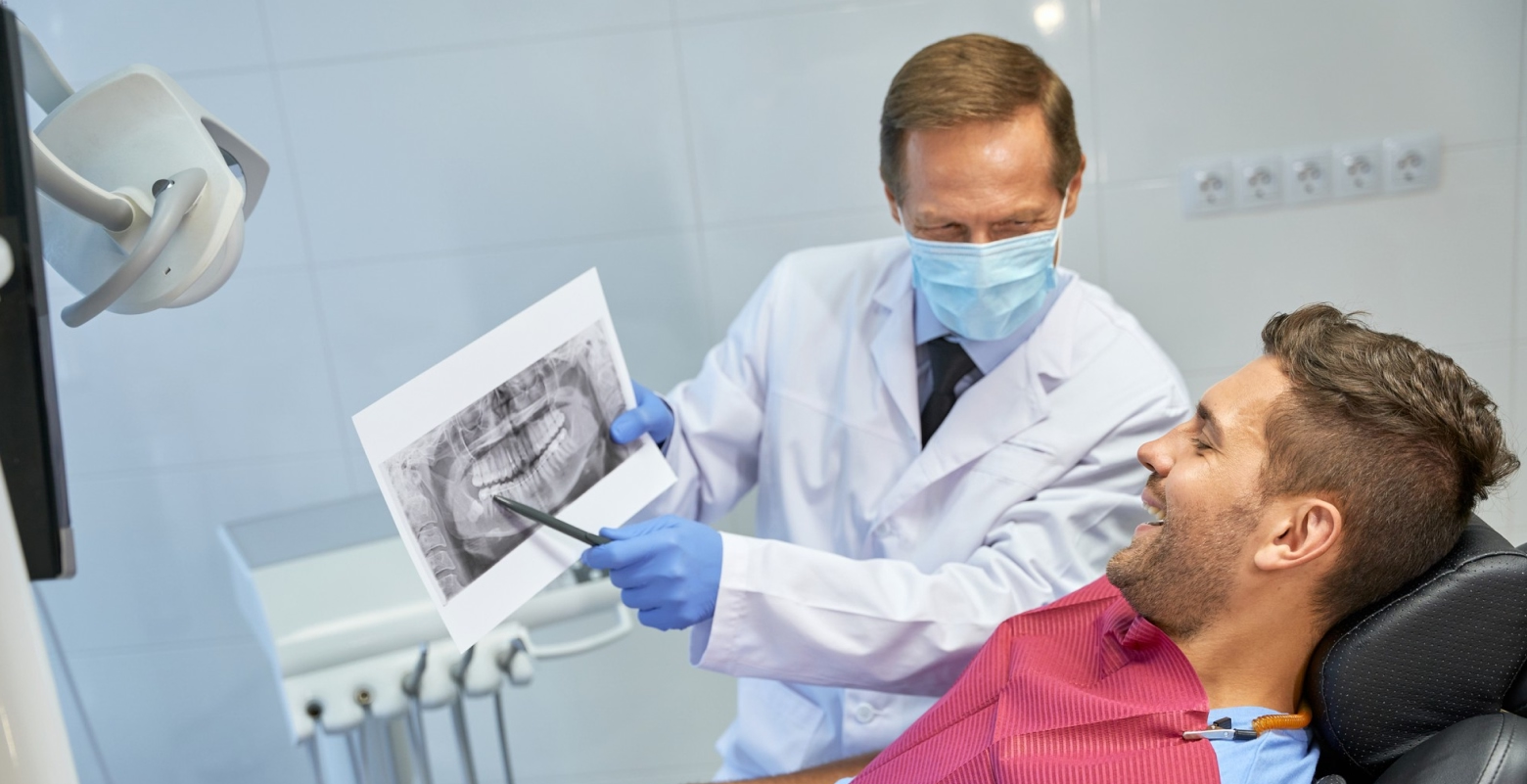
The right healthcare provider depends on what is causing your jaw pain. Use this simple guide to make the right decision.
When to Go to A Dentist
See a dentist if your jaw pain happens when you chew, comes from a specific tooth, is worse in the morning, or if you have jaw clicking or a history of teeth grinding.
A dentist can check for dental problems, fit you with a night guard if needed, or recommend treatment for temporomandibular disorders (TMD) if your jaw joint is the cause.
When to See A Doctor
See a doctor if your jaw pain lasts longer than a week or two, has no obvious cause, or comes with sinus or ear symptoms.
When to Go to The ER
Go to the ER or call 911 right away if you have:
- Jaw pain with chest pain, shortness of breath, sweating, or nausea
- A jaw that is locked and will not open or close
- Severe swelling with a fever, which may be a sign of an infection
- Jaw pain after an injury or accident
If you are not sure whether your symptoms need medical care, read on to learn when to see a doctor for jaw pain.
FAQs
Can your jaw pain go away on its own?
Yes. Mild jaw pain typically lasts no more than a few days if you rest your jaw, use warm or cold compresses, and eat soft foods. See a dentist if the pain keeps coming back or does not improve.
Why do you have jaw pain and ear pain, but no ear infection?
Your jaw joint is close to your ear. So, you may sometimes mistake jaw problems for ear pain. It happens if you strain your jaw or grind your teeth. It’s a common type of pain called referred pain.
Is it okay to chew on the other side?
Yes, for a short time. But do not chew on only one side for too long. It can put extra strain on those muscles and lead to more pain. Eating soft foods can help while your jaw heals.
Why does your jaw hurt more at night or in the morning?
If your jaw hurts when you wake up, you may be clenching or grinding your teeth while you sleep. This keeps your jaw muscles tight for hours, so they can feel sore and stiff in the morning.
Can stress or anxiety cause jaw pain?
Yes. Even if you don’t grind your teeth, stress can make you tighten your jaw even when you don’t notice it. This can make your jaw muscles sore and achy over time.
Does a clicking or popping jaw need treatment?
Not always. If your jaw clicks or pops but does not hurt, it is usually not a problem. But if you also have pain, swelling, or your jaw starts locking, see a dentist.
What if your jaw feels stuck or will not open all the way?
If your jaw locks and you cannot open or close it, get urgent medical or dental care. Call your dentist or go to an emergency clinic right away. Do not try to force your jaw open, because that can make the injury worse.
Final Words
Hopefully, you have no confusion regarding how to stop jaw pain immediately.
Most jaw pain improves with simple home care. If you can simply rest your jaw, use a warm or cold compress, eat soft foods, and gently massage the sore area, things should improve within a few minutes.
But do not ignore severe pain. See a healthcare professional if the pain keeps coming back and lasts more than a week or two.
If home remedies are not enough, the team at Crystal Clear Dental in San Antonio can find the cause of your jaw pain and recommend the right treatment. You do not have to live with jaw pain.