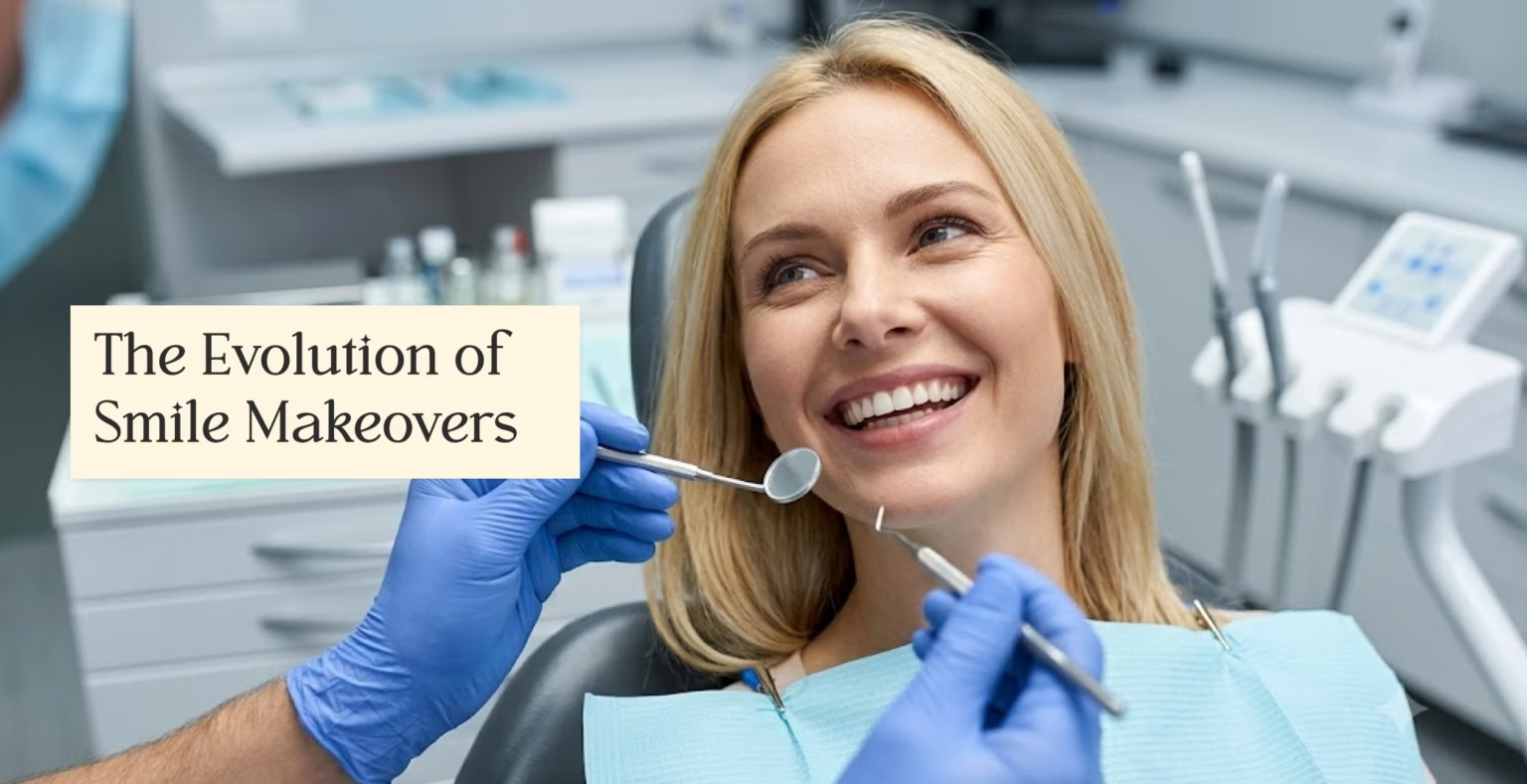
If you’ve ever wondered how people went from crude tooth replacements to the natural, confident smiles using cosmetic dentistry you see today, there is a long story behind it. It is shaped by history, Hollywood influence, and major scientific breakthroughs.
Modern smile makeovers are no longer guesswork. Your dentist can now plan your smile on a computer, show you a preview before treatment starts, and design results that fit your face instead of forcing a one-size-fits-all “perfect” look.
But it didn’t always work this way. For thousands of years, people tried everything from ivory dentures to early metal replacements with limited success and comfort.
Let us tell you the full story of the evolution of smile makeovers: how smile enhancement started, how Hollywood shaped the idea of the “perfect smile,” and where cosmetic dentistry is heading next.
Table of Contents
Where and When Did Smile Makeovers Begin?
If you think smile makeovers are a modern idea, you might be surprised to learn that people have been trying to improve their smiles for thousands of years.
Around 700 BC, the Etruscans in northern Italy made some of the first dentures using ivory, bone, and even human or animal teeth. By about 200 AD, they were also creating crowns and bridges from gold.
Other ancient cultures cared about their smiles too. The Egyptians tried replacing missing teeth and used a simple tooth-cleaning paste made from ingredients like pumice.
Later, during the Middle Ages, barbers often performed dental treatments, including whitening teeth with acid. Although this could make teeth look whiter, it also damages the enamel.
Although these early attempts seem unusual today, they show that people have always wanted healthier, more attractive smiles.
The Hollywood Influence on Modern Smile Makeovers
The modern smile makeover began in Hollywood. In the late 1920s and 1930s, a California dentist named Charles Pincus created the first dental veneers to improve the smiles of movie stars. He placed thin coverings over the front of the teeth, which helped actors appear to have straighter, brighter smiles on camera.
These early veneers were attached with denture adhesive, so they often fell off after a short time. They were never designed to be a permanent solution.
What stayed was the idea. The term “Hollywood Smile” started to describe teeth that look straight, bright, and well-shaped. It wasn’t one fixed treatment; it was a look people wanted. As more people became interested, dentists started developing stronger and longer-lasting cosmetic treatments.
Over time, the meaning of a Hollywood Smile also changed. In the past, it focused on creating a flawless look for movie cameras. Today, dentists focus more on you as an individual. They design your smile to fit your face, lips, gums, and natural features.
The goal is not to get the same bright “perfect” template for everyone anymore. Instead, it focuses on helping you get a natural smile that suits you.
How Smile Makeovers Evolved Through the Decades
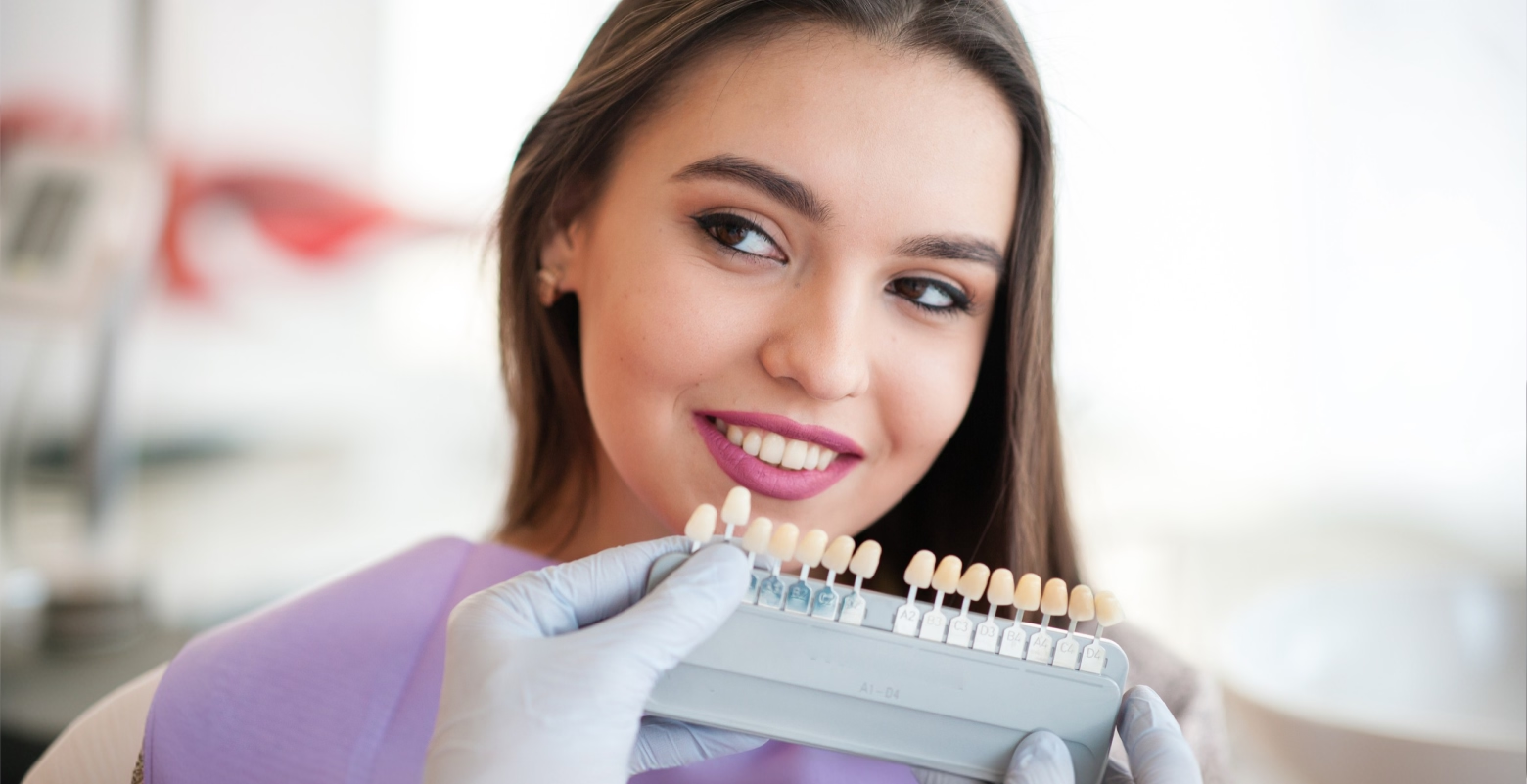
Smile makeover treatments are not short-term, appearance-only fixes anymore; they are long-lasting treatments that solve a major problem and improve the appearance of your teeth.
Bonding Made Cosmetic Work Last
Early veneers didn’t stay on well. That changed in 1955 when researcher Michael Buonocore introduced the acid-etch technique.
He used a mild acid on tooth enamel so materials could stick more strongly to the surface. This discovery made bonding and veneers much more durable and still forms the basis of cosmetic dentistry today.
Implants Solved Missing Teeth
Dentists also struggled to replace missing teeth. In 1952, Swedish researcher Per-Ingvar Brånemark discovered that bone can fuse with titanium, a process he called osseointegration.
He placed the first titanium dental implant in 1965, and by the 1980s, dentists around the world started using implants. This gave you a strong, long-term way to replace missing teeth instead of just covering gaps.
Whitening And Materials Improved
Dentists improved tooth-colored filling materials in the 1980s when light-curing technology made them faster and more reliable to use.
Professional teeth whitening also became safer over time, which replaced older methods that could damage enamel. Step by step, dentistry moved toward treatments that look more natural and last longer.
How Modern Smile Makeovers Are Different Today
Modern smile makeovers feel very different from older methods. Today, your dentist uses digital tools, plans everything on a computer, and designs your smile with high precision before starting any treatment. Instead of making changes step by step in the chair, you can plan your new smile in advance.
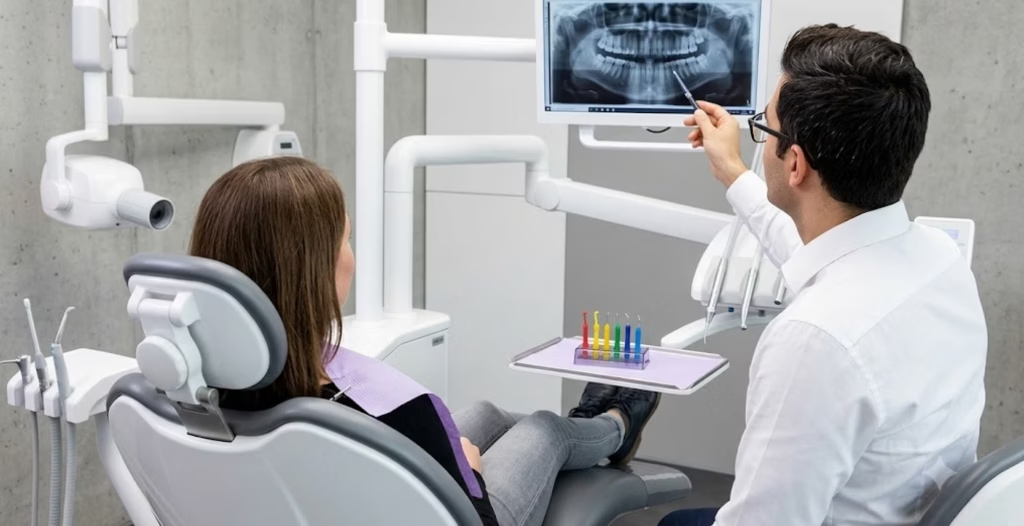
As a team of the trusted dental clinic in San Antonio, we solve all kinds of smile makeover related issues. Here are the key technologies that shape modern smile makeovers:
- Digital Smile Design and 3D previews: We use digital previews to show you how your smile may look before treatment. This makes it easier to discuss what you like and what you want to change.
- AI-assisted planning: AI tools can help us study your teeth and plan different treatment options. We still use our dental knowledge and your individual needs to make the final treatment decisions.
- 3D printing and digital scanners: Digital scans give us a clear picture of your teeth without messy impressions. They also help us plan and make dental restorations more accurately.
- Minimally invasive veneers: When veneers are a good option for you, modern techniques can help us keep more of your natural tooth.
Technology is helpful, but it is only one part of a smile makeover. We also look at your teeth, gums, bite, facial features, and what you want to change. From there, we build a step-by-step process that fits your face and goals.
How Long Do Modern Smile Makeover Results Last?
Modern smile makeover results can last anywhere from a few years to a lifetime. Longevity depends on the treatments you get and how well you take care of them.
Factors that affect how long your results last:
- Your oral care routine: When you brush twice a day, floss daily, and keep your teeth clean, you protect both your restorations and your natural teeth.
- Your habits: If you grind your teeth, bite your nails, or chew ice, you can damage veneers or crowns. Smoking can also stain your teeth and affect your results.
- The material used: For example, porcelain usually lasts longer and resists stains better than composite resin.
- Your dental visits: When you visit your dentist regularly, they can fix small issues early before they become bigger problems.
- Your oral health: When your teeth and gums stay healthy, your smile makeover lasts longer too.
Because these timelines vary widely, the lifespan of your overall makeover depends on the mix of treatments in your plan. That same mix also affects how long the treatment itself takes to complete.
What’s Next for Smile Makeovers?
The future of smile makeovers will focus even more on personalization, faster digital tools, and more natural, long-lasting results. You’ll already see many of these changes today through AI planning, 3D printing, and same-day restorations, and they will keep improving.
The bigger change is how dentists think. Instead of only improving appearance, smile makeovers offer benefits like focusing on protecting your natural teeth, supporting your overall oral health, and planning every detail with high precision.
For you, this means smile makeovers will feel more comfortable, more predictable, and more customized to your needs. This will be far from the early veneer days of the 1930s, when dentists relied on adhesives and guesswork.
Frequently Asked Questions
What Was The First Smile Makeover Treatment?
The first modern “smile makeover” started in 1928 when California dentist Dr. Charles Pincus created temporary porcelain veneers. He made thin acrylic covers and placed them over actors’ teeth using removable adhesive so their smiles looked better on camera during the Golden Age of Hollywood.
What Is The Biggest Advancement In Smile Makeover Technology?
The biggest advancement in smile makeovers is Digital Smile Design (DSD) combined with 3D facial mapping and AI tools. It removes guesswork by letting you see and adjust a realistic preview of your new smile before your dentist makes any permanent changes.
Are Modern Smile Makeovers Safer Than Older Procedures?
Yes, modern smile makeovers are much safer than older procedures. Your dentist now uses digital planning, safe biocompatible materials, and minimally invasive techniques that protect more of your natural tooth.
What Are The Different Types Of Smile Makeovers?
A smile makeover is a custom plan your dentist makes to improve your smile. It can include simple treatments like whitening or shaping teeth, or bigger treatments like veneers, braces, or implants.
What Does The Future Of Cosmetic Dentistry Look Like?
The future of cosmetic dentistry focuses on digital tools, gentler treatments, and more natural-looking results. The industry is also growing fast and is expected to reach about $89.03 billion by 2030.
Conclusion
Here, our discussion regarding the evolution of smile makeovers ends. From ancient ivory dentures to AI-designed smiles, you can see how much cosmetic dentistry has improved. It is now safer, more precise, and more natural-looking than before. Today, you benefit from many years of progress in dental materials, bonding methods, and digital planning.
If you want to know what a modern smile makeover could look like for you, the team at Crystal Clear Dental in San Antonio can help you explore your options.