
If your teeth have multiple cosmetic concerns, such as discoloration, chips, gaps, uneven length, or worn edges, a smile makeover may be the right path. Many patients who choose cosmetic dentistry through a planned smile makeover get a brighter, more natural-looking smile and feel more confident.
So, what is the smile makeover process?
The process starts with a consultation and full check-up, then your dentist creates a custom smile design and treatment plan. First, they fix any dental problems, and then they do cosmetic treatments like whitening, veneers, bonding, or aligners in a planned order. In the end, your dentist makes final adjustments to ensure everything feels comfortable.
In this guide, we will explain each stage of the process, what you can expect, and how common dental problems are treated along the way.
Table of Contents
What Is a Smile Makeover?
A smile makeover is a personalized treatment plan that combines different dental procedures to improve the look of your smile. The treatments included depend on your goals and the condition of your teeth and gums. You can explore the full range of smile makeover options to see which treatments fit your concerns.
Common options include:
| Treatment | Purpose |
| Teeth whitening | Brightens discolored teeth |
| Porcelain veneers | Improves the shape, size, or color of teeth |
| Dental bonding | Fixes small chips, cracks, or gaps |
| Clear aligners | Straightens misaligned teeth |
| Dental crowns | Restores damaged or weakened teeth |
| Dental implants | Replaces missing teeth |
| Gum contouring (gum lift) | Creates a more balanced gum line |
| Teeth reshaping (contouring) | Smooths uneven edges and improves symmetry |
How Does the Smile Makeover Process Work?
Your dentist will walk you through six main steps. Each step helps prepare for the next one, making the process smooth and organized. Below are the details.
Step 1: The Initial Smile Makeover Consultation
The first step is meeting with your dentist to discuss your smile goals. You’ll talk about any concerns you have, such as stained teeth, chips, gaps, crooked teeth, or missing teeth. The dentist will also ask about your medical history, previous dental treatments, and habits like teeth grinding.
This appointment is mainly for planning and discussion rather than treatment. Going in prepared makes a real difference, so it helps to review some practical smile makeover advice before your visit.
Step 2: Comprehensive Examination and Diagnostics
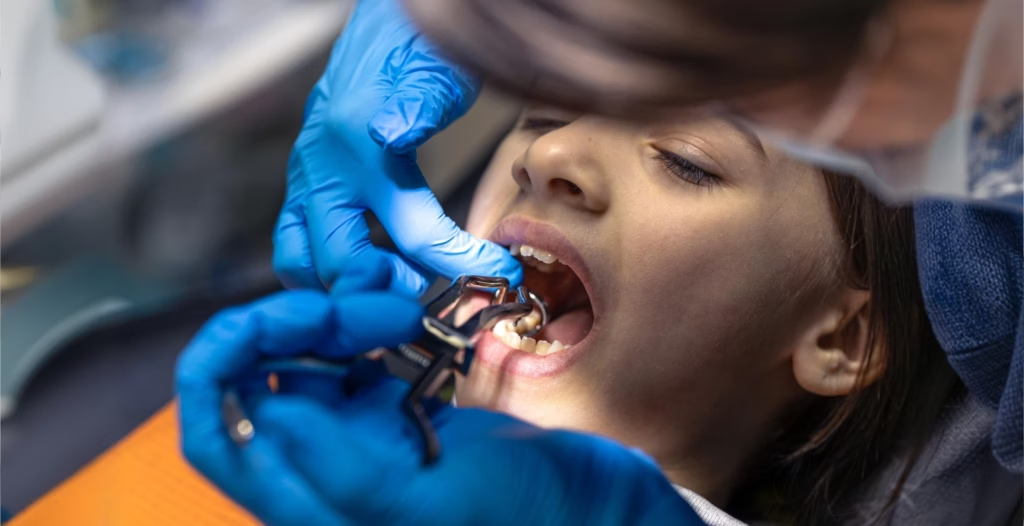
In this step, your dentist collects all the important information needed to plan your smile makeover. You will get a full check-up of your teeth, gums, bite, and jaw. Your dentist may also take digital X-rays, close-up photos, and a 3D scan to create a clear model of your mouth.
This helps find problems like cavities, gum disease, cracks, bite issues, or worn teeth. These issues must be treated first before any cosmetic work begins.
Step 3: Smile Design and Treatment Planning
After your examination, your dentist uses your scans and photos to design your new smile. Many clinics use digital smile design tools to show you how your teeth may look after treatment, including changes in shape, size, and color.
You may also get a mock-up (a temporary preview) so you can see and approve the result before any permanent work starts. The dentist will then give you a clear treatment plan showing the steps, timeline, and cost so you know exactly what to expect.
Step 4: Preparatory or Restorative Treatments (If Needed)
Before cosmetic work begins, your dentist will fix any existing dental problems. This may include composite fillings to clear cavities, deep cleaning to treat gum disease, and extractions for teeth that can’t be saved.
If you need dental implants and do not have enough jawbone to support them, you may also need a bone graft.
During the smile makeover consultation, we usually check a patient’s teeth and gums before planning cosmetic treatment. If we find a problem, we explain what needs to be treated and why before moving on to the cosmetic part of your plan.
This helps them understand each step instead of feeling like they are rushing into the treatment.
The American Dental Association explains that untreated gum disease can cause serious damage over time. That is why treating your oral health problems first is an important part of planning a safe and lasting smile makeover.
Step 5: The Cosmetic Procedures (and Why the Order Matters)
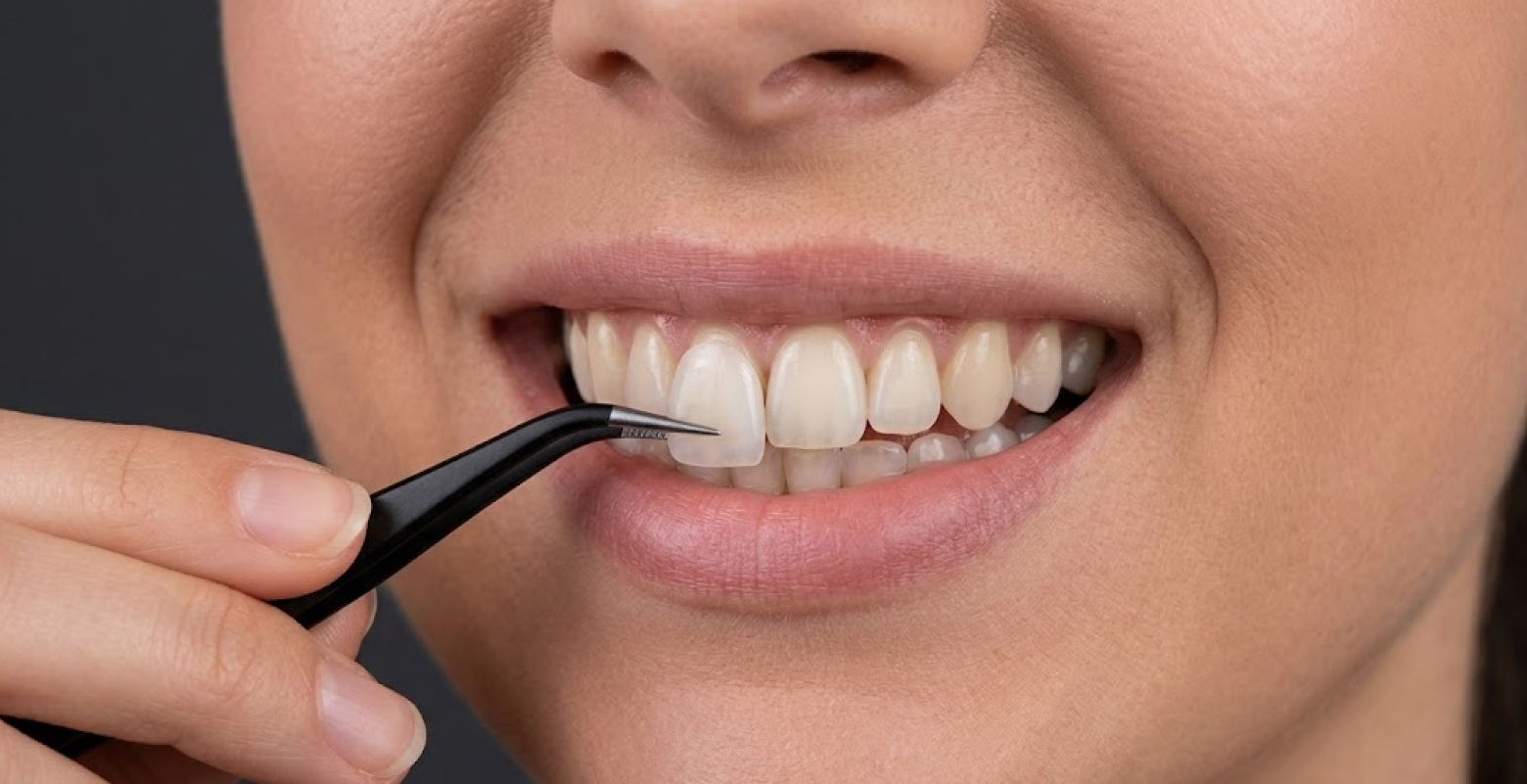
The cosmetic phase follows a specific sequence because each procedure affects the next.
Teeth Whitening → Orthodontics → Dental Implants → Veneers/Crowns/Bonding → Gum Contouring
Teeth whitening almost always comes first, because veneers, crowns, and bonding cannot be whitened later. Once the natural teeth are at their target shade, the lab can match the restorations to that color.
If you need clear aligners or other orthodontic treatment, that usually comes next. It’s simpler and more effective to move your natural teeth into the right position than to cover misalignment with restorations.
Your dentist will place dental implants early in the process since the implant needs about three to six months to fuse with the jawbone before receiving the final crown. Healing periods like this are a big reason “how long a smile makeover takes” varies so much from patient to patient.
Once tooth alignment and implant healing are complete, your dentist can place veneers, crowns, or dental bonding to improve the shape, size, or appearance of your teeth
Veneers usually require a preparation visit and a second appointment one to two weeks later for placement. If you have an uneven gum line or excess gum tissue, gum contouring is typically the final step to create a more balanced, symmetrical smile.
Step 6: Final Adjustments and the Reveal
Once all procedures are complete, your dentist makes small refinements to ensure your new smile feels comfortable and natural. They check your bite so your upper and lower teeth meet evenly, polish your restorations for a smooth finish, and fix any rough edges or tight spots that could cause irritation.
You then see your final result, share your feedback, and approve the outcome. You usually return in about one to two weeks for a quick follow-up so your dentist can confirm everything still feels right after you’ve eaten, spoken, and slept with your new smile.
What If You Want a Change After Seeing the Final Result?
If you’re unhappy with how your smile looks, the most important step is to tell your dentist exactly what bothers you. Is it the color, shape, length, edge texture, or how the teeth feel when you bite down?
The path forward depends on which stage you’re at and what type of restoration you have.
1. If You’re Still in the Try-In or Temporary Phase
This is the easiest window for changes. Before permanent veneers or crowns are bonded, you’ll usually wear temporaries or see a try-in version, and the lab can resize, reshape, or recolor them based on your feedback.
Be as specific as you can: “the front two feel too long” or “the shade looks too gray in natural light”, so the permanent restorations come back exactly right.
2. If You Have Permanent Veneers, Crowns, or Bridges
Once you have permanent veneers, crowns, or bridges, you can still make some changes. Small problems, like a rough edge or a bite that feels uncomfortable, may only need a quick adjustment or polish.
For bigger changes to the colour, shape, or size of your teeth, you may need new restorations.
When we deal with a patient, we first look at their existing work and listen to what they want to change. Then, we tell them whether a small adjustment may be enough or if they need a replacement.
Once they are permanently placed, you still have some options. Small changes, like smoothing a rough edge, reshaping a tooth slightly, or adjusting your bite, may only take one short visit.
If you want to make bigger changes to the colour, shape, or size of your teeth, you may need new restorations. According to the Cleveland Clinic, porcelain veneers are not reversible because the dentist removes some enamel before placing them.
Bring reference photos to your appointment to help your dentist achieve the look you want.
3. If You Had Composite Bonding
Bonding is the most forgiving option. Unlike porcelain veneers, dental bonding is reversible. Your dentist can polish, reshape, add more resin, or remove it entirely without damaging the natural tooth underneath.
4. If You Had Teeth Whitening
If the result is too bright, uneven, or not white enough, your dentist can fine-tune it. Take-home whitening trays can lighten the shade further over the following weeks. And if the teeth look too white right after an in-office session, the shade usually softens slightly on its own within the first few days.
How Long Will Your Smile Makeover Last?
Each procedure in your makeover has its own lifespan, so the total answer depends on what your treatment plan includes:
| Treatment | Typical Lifespan |
| Porcelain veneers | About 10-15 years with proper care |
| Composite bonding | About 5-7 years before needing polishing, repair, or replacement |
| Dental crowns | About 10-15 years or longer, depending on the material and your bite |
| Dental implants | The implant can last for decades or even a lifetime; the crown usually lasts 10-15 years |
| Teeth whitening | Results typically last 6 months to 3 years before a touch-up may be needed |
Aftercare and Long-Term Maintenance
A smile makeover is an investment, and how long it stays looking its best depends on what you do at home and how regularly you see your dentist. Good aftercare protects the work you’ve already paid for and keeps your results bright, even, and comfortable.
How Should You Care for Your New Smile at Home?
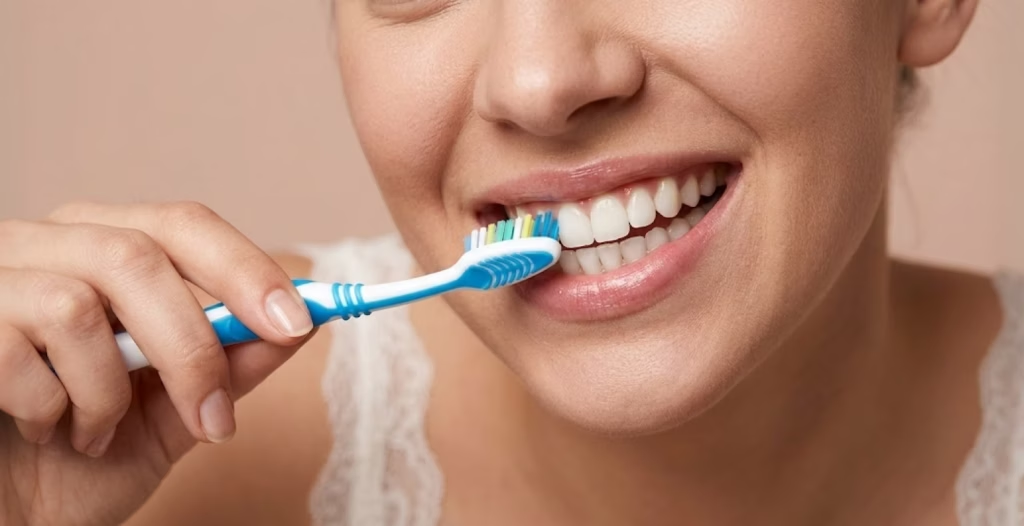
Strong home care for a smile makeover is mostly the same routine the ADA (American Dental Association) recommends for any healthy mouth, with a few extra precautions for restorations.
- Brush twice a day with a soft-bristled brush and a fluoride toothpaste, and clean between your teeth once a day with floss or another interdental cleaner.
- For porcelain veneers, a non-abrasive fluoride toothpaste (whitening pastes can scratch the surface) is recommended.
- Avoid biting directly into hard foods like apples, carrots, or tough meats. Instead, cut them up and chew with your back teeth.
- For about 48 hours after teeth whitening, avoid red wine, coffee, tea, and dark berries while the enamel rehydrates.
- If you grind your teeth at night, ask about a nightguard. Grinding is one of the fastest ways to chip a veneer or crack a crown.
Follow-Up Appointments and Professional Cleanings
Even with perfect home care, you’ll need regular checkups to keep your smile makeover in top shape.
Most people have a routine cleaning and exam every six months. You may need to come in more often if you have gum problems, build up plaque easily, or had gum treatment as part of your smile makeover.
During follow-up visits, we usually check our patients’ teeth, gums, and restorations. We also look for signs of wear, changes around the gum line, or anything that may need attention. This gives us a chance to catch small problems before they become bigger ones.
Depending on your teeth and habits, you may need a touch-up every 6 to 12 months to keep your smile looking bright.
FAQs
Can I go back to work after smile makeover appointments?
Most patients can return to work the same day. If you receive sedation, you’ll need someone to drive you home and should plan to rest for the remainder of the day. More complex procedures may require a short recovery period before you resume your normal routine.
Does dental insurance cover any of the smile makeover process?
Cosmetic treatments usually aren’t covered by insurance. However, restorative treatments like fillings, crowns, or gum treatment may be covered. Your dental office can check your plan and explain what benefits you can use.
Is the smile makeover process painful?
Most procedures use local anesthesia, so you feel little to no pain during treatment. Some sensitivity afterward is normal and usually fades within a few days.
How many appointments does a smile makeover take?
Most smile makeovers require 3 to 8 appointments, depending on the treatments you need. Simple cases may take only 2 visits, but more complex ones usually require several additional appointments.
What’s the difference between a smile makeover and full-mouth reconstruction?
A smile makeover focuses on cosmetic improvements you choose. Full-mouth reconstruction is medically necessary work to restore function after damage, decay, or bite problems.
How much does a smile makeover cost?
Cost varies widely depending on the treatments you need. Simple smile makeover plans like whitening may cost around $100–$1,000 (per session), while more comprehensive treatments involving veneers, crowns, or implants can range from $2,000 to $30,000 or more.
Conclusion
Thanks for being with us till the end. The smile makeover process is a carefully planned journey that moves step by step, from consultation and diagnosis to treatment, final adjustments, and long-term care.
Each stage plays an important role in creating a balanced, natural-looking smile that suits your needs. Hopefully, our guide helps you feel more prepared and confident before starting treatment. Good luck!