
You’ve probably scrolled through before-and-after photos and searched “smile makeover” or “cosmetic dentistry” more times than you can count. But there’s sometimes a gap between those perfect results and what actually happens in the dentist’s chair.
Here’s the real issue: most regrets don’t come from “bad dentistry.” They come from not knowing enough before treatment starts. Many people don’t know what questions to ask, how treatment order affects results, or what actually makes a smile look natural instead of artificial in cosmetic dentistry.
This article will help you close that gap. You’ll understand what a smile makeover really involves, how planning shapes the final result, and how to choose a dentist who delivers natural, long-lasting results.
By the end, you’ll know what to expect and what to ask before you commit.
Table of Contents
What Is a Cosmetic Smile Makeover And What Makes It Different?
A cosmetic smile makeover uses two or more dental treatments to improve your smile. Instead of fixing just one tooth or one problem, we look at your whole smile.
Your teeth, gums, colour, shape, and alignment all play a part in how your smile looks. When we plan a makeover, we look at all of these together and choose treatments that work well with each other.
That is what makes a smile makeover different from a single treatment, like teeth whitening or one veneer. We plan everything together to create a balanced, natural-looking smile.
A smile makeover can help fix:
- Stained or discolored teeth
- Chipped or cracked teeth
- Gaps between teeth
- Crooked or crowded teeth
- Missing teeth
- Uneven gum lines
- Teeth that appear too short, too small, or out of proportion
If you have a clear idea about smile makeover options, you will understand which treatments best match your concerns.
What’s the Difference Between a Smile Makeover and Smile Design?
Think of Digital Smile Design (DSD as the plan and the smile makeover as the process that brings the plan to life. DSD lets you see a preview of your new smile before treatment begins.
With smile design, your dentist uses photos, digital scans, and specialized software to show you what your new smile could look like before treatment starts. A smile makeover includes the actual treatments that help you achieve those results.
This technology helps you see your options and understand your treatment plan better.
Research also shows that digital smile previews can help patients feel more comfortable moving forward. One clinical study found that 85% of patients chose to continue with treatment after seeing a preview of their new smile.
The Secret Most People Skip: The Planning Phase
You should never take the planning phase lightly and jump into the treatments quickly. If you skip or rush the planning process, you may end up with a smile that doesn’t look or feel the way you expected.
Why Your Consultation Is So Important
Your consultation is much more than a quick conversation about treatment options. It gives your dentist the information they need to create a smile makeover that suits your needs.
During a thorough consultation, your dentist may:
- Examine your teeth and gums
- Take X-rays or digital scans
- Check your bite
- Assess your gum health
- Evaluate your facial features
- Take photos from different angles
- Discuss your goals and concerns
You can help your dentist by coming prepared. Bring photos of smiles you like, make a list of the changes you want, and ask questions about the treatment plan. The more clearly you explain your goals, the easier it is for your dentist to recommend the right options.
Your Dentist Looks at More Than Just Your Teeth
A natural-looking smile depends on more than your teeth alone. To create balanced results, your dentist considers how your smile fits your entire face.
They may evaluate:
- Your facial shape and width
- Your lip shape
- The center line of your face
- The symmetry of your gums
- The size and proportions of your teeth
This is one reason why two people can receive similar treatments but end up with very different results. The quality of the planning and design plays a major role in the final outcome.
The Key Steps and What Each One Actually Does
A smile makeover can include one treatment or several, depending on what you want to fix. Here’s a simple guide to each option and what you can expect.

Teeth Whitening: Your Starting Point
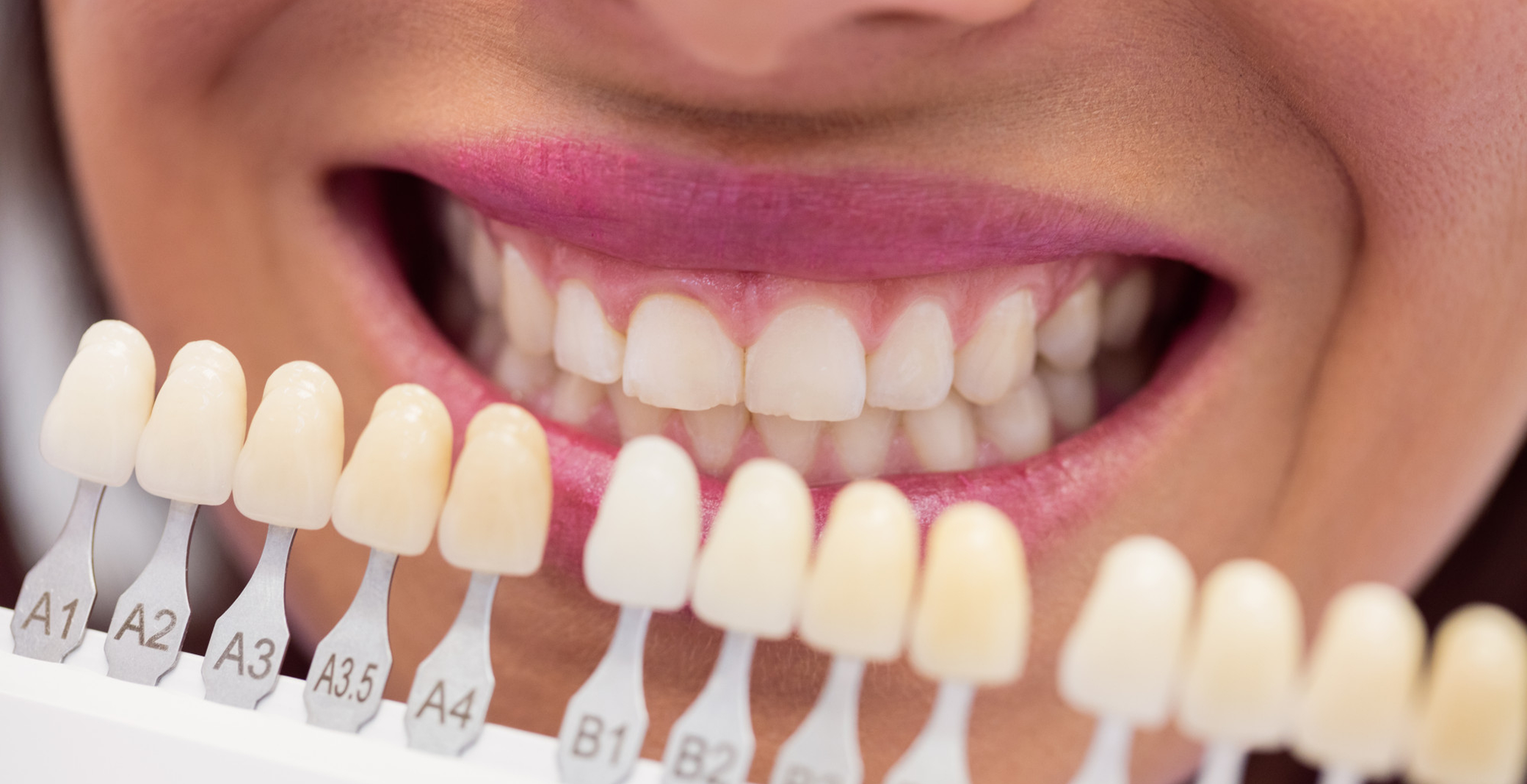
You usually start with whitening because it brightens your natural teeth before any other treatment. Professional whitening removes deep stains and can make your teeth 4- 8 shades lighter in one session.
You must whiten before veneers, crowns, or bonding. Why? These restorations are made to match your tooth color at the time they are placed, and they won’t change color later. If you whiten your teeth after getting them, your natural teeth may become lighter than the restorations.
Porcelain Veneers: Your Biggest Smile Change
Veneers are thin porcelain shells that go on the front of your teeth. They can change color, shape, size, and small alignment issues at the same time.
We may recommend veneers if you have stains that do not improve with whitening, chipped or worn teeth, small gaps, or uneven tooth shapes. Before recommending veneers, we look at your teeth, gums, bite, and the changes you want to make.
This helps us decide if veneers are the right option for you.
Porcelain veneers can last for many years with proper care and are more resistant to stains than natural teeth. Many veneers can last 10-15 years or longer, but their lifespan depends on your oral health, bite, and daily habits.
Dental Bonding: Quick and Affordable Fix
Bonding uses a tooth-colored resin that your dentist shapes directly on your tooth in one visit.
You can use bonding to fix small chips, gaps, or uneven teeth. It costs less than veneers and does not remove enamel. Bonding usually lasts 3-10 years. It can stain or chip more easily than porcelain.
Gum Contouring: Fixing Your Gum Line
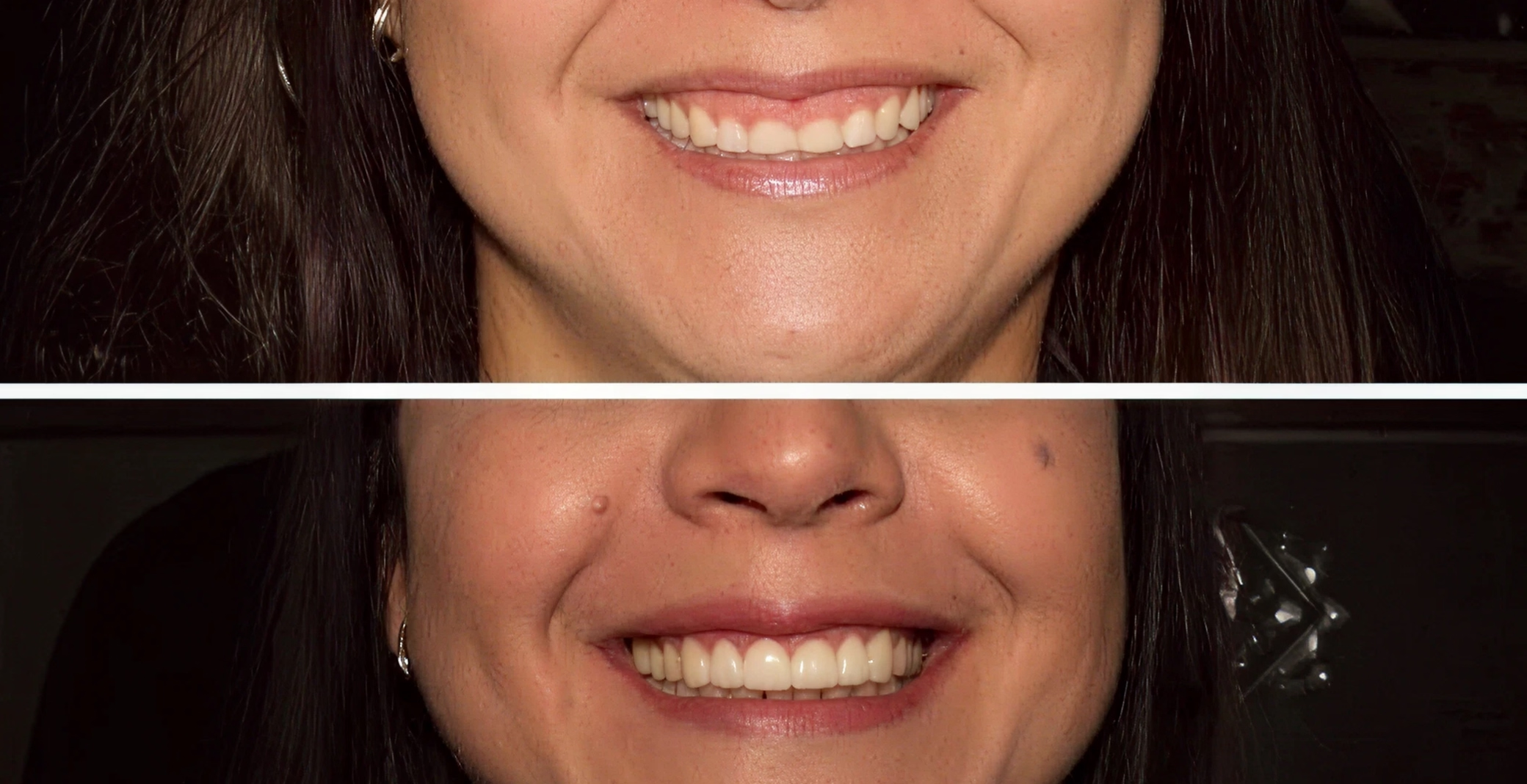
If your gums cover too much of your teeth or look uneven, gum contouring can improve your smile fast. Your dentist reshapes your gum line using a laser to show more of your teeth and create balance. The procedure is quick, usually done in one visit, with a few days of mild sensitivity.
Dental Crowns: Strength + Appearance Together
A crown covers a damaged or weak tooth and restores its shape and strength.
We may recommend a crown if your tooth is cracked, badly worn, or weakened by a large filling. Before that, we check your tooth and nearby teeth to see if a crown is right for you.
Clear Aligners: Straighten First, Then Improve
If your teeth are crooked, you should straighten them before cosmetic work. Clear aligners slowly move your teeth into better positions. You wear them for 6-18 months in most cases, or 3-6 months for minor fixes.
Dental Implants: Replace Missing Teeth
A dental implant replaces a missing tooth with a titanium post and a crown on top. You may need implants if you have gaps in your smile. They stop nearby teeth from shifting and help keep your bite stable.
Implants can last 20+ years with proper care and feel like natural teeth. They are the most permanent but also the most expensive option.
You can learn more about the smile makeover process before booking an appointment.
Things to Know Before You Get The Treatments
This time, you’ll get to know some practical truths that cosmetic dentists don’t usually explain in detail at the start. Knowing them early helps you avoid expensive mistakes.
Order matters a lot
You can’t do treatments in any order you want. You should fix oral health problems first, then align teeth if needed, then whiten, and only then place veneers, crowns, or bonding. If you mix up the order, you risk wrong tooth shades, poor fit, and restorations that don’t last.
“Natural-looking” doesn’t happen by chance
Natural results don’t come from materials alone; they come from design. If teeth look fake, it usually means the dentist didn’t plan the shape, size, and subtle differences properly. When you check results, look for smiles that don’t look “done,” even when they are.
Health comes before beauty
You can’t safely place veneers or crowns on unhealthy teeth or gums. Cavities, gum disease, or bite issues must be treated first. If someone skips this step, you’re likely to face faster failure and higher costs later.
Insurance won’t usually cover it, but you still have options
Most cosmetic treatments aren’t covered by insurance unless they also fix a functional problem. You can manage costs through payment plans, financing options, or doing treatment in phases over time. Many people spread the cost monthly, which makes full treatment more realistic than it first appears.
How to Choose the Right Cosmetic Dentist
Cosmetic dentistry isn’t a formal specialty in most countries. That means any general dentist can call themselves a “cosmetic dentist.” So you should focus on training and real results, not just the title.
What qualifications matter
When choosing a cosmetic dentist, look at their training, experience, and continued education in cosmetic dentistry. These can tell you how seriously they take this type of treatment.
We believe it is also important to look at the dentist’s actual work. Before starting cosmetic treatment, ask about the types of cases they treat and look at examples of their work when available.
Professional organisations can also give you another way to check a dentist’s background. For example, you can see if they belong to the American Academy of Cosmetic Dentistry (AACD).
Membership shows that the dentist is involved in cosmetic dentistry. AACD Accreditation goes a step further and shows that the dentist has met certain standards and completed clinical work.
Red flags you should not ignore
Be careful if you notice any of these:
- The dentist suggests treatment before a full oral exam
- No digital planning or smile design options
- You feel pushed to decide everything in one visit
- No real patient cases to show you
- Prices feel unclear, too low, or not broken down
If you can find the right cosmetic dentist for you, you’ll enjoy countless benefits of a smile makeover that can boost your confidence.
FAQs
Do I Need One Dentist Or Multiple Specialists?
You usually need one cosmetic dentist to plan and manage everything. For complex cases, you may see a surgeon or periodontist for implants or gum work.
How Do I Know If I Need Veneers Or Whitening?
You need whitening if your teeth are healthy and only stained. You need veneers if you also want to fix shape, gaps, chips, or strong discoloration.
Can A Smile Makeover Fix A Gummy Smile?
Yes. Your dentist can reshape your gums with laser contouring. You often combine this with veneers to improve both gum line and tooth appearance.
What Age Is Right For A Smile Makeover?
You can start after your teeth fully develop, usually in your late teens onward. There is no upper age limit as long as your gums and bones stay healthy.
Will A Smile Makeover Change Your Bite?
It shouldn’t if your dentist plans it properly. Your dentist must analyze your bite first to make sure new restorations fit your natural movement.
Final Words
And we’re done discussing the cosmetic smile makeover secrets that everyone should know before getting a treatment. A smile makeover you love or regret usually depends on what you do before treatment starts. Good planning, correct sequencing, and the right dentist matter as much as the procedure itself.
This guide showed you what a smile makeover really is, how it differs from common assumptions, and why tools like Digital Smile Design and facial analysis improve results.
Go into your consultation with clear goals, the right questions, and realistic expectations. Wishing you good luck!