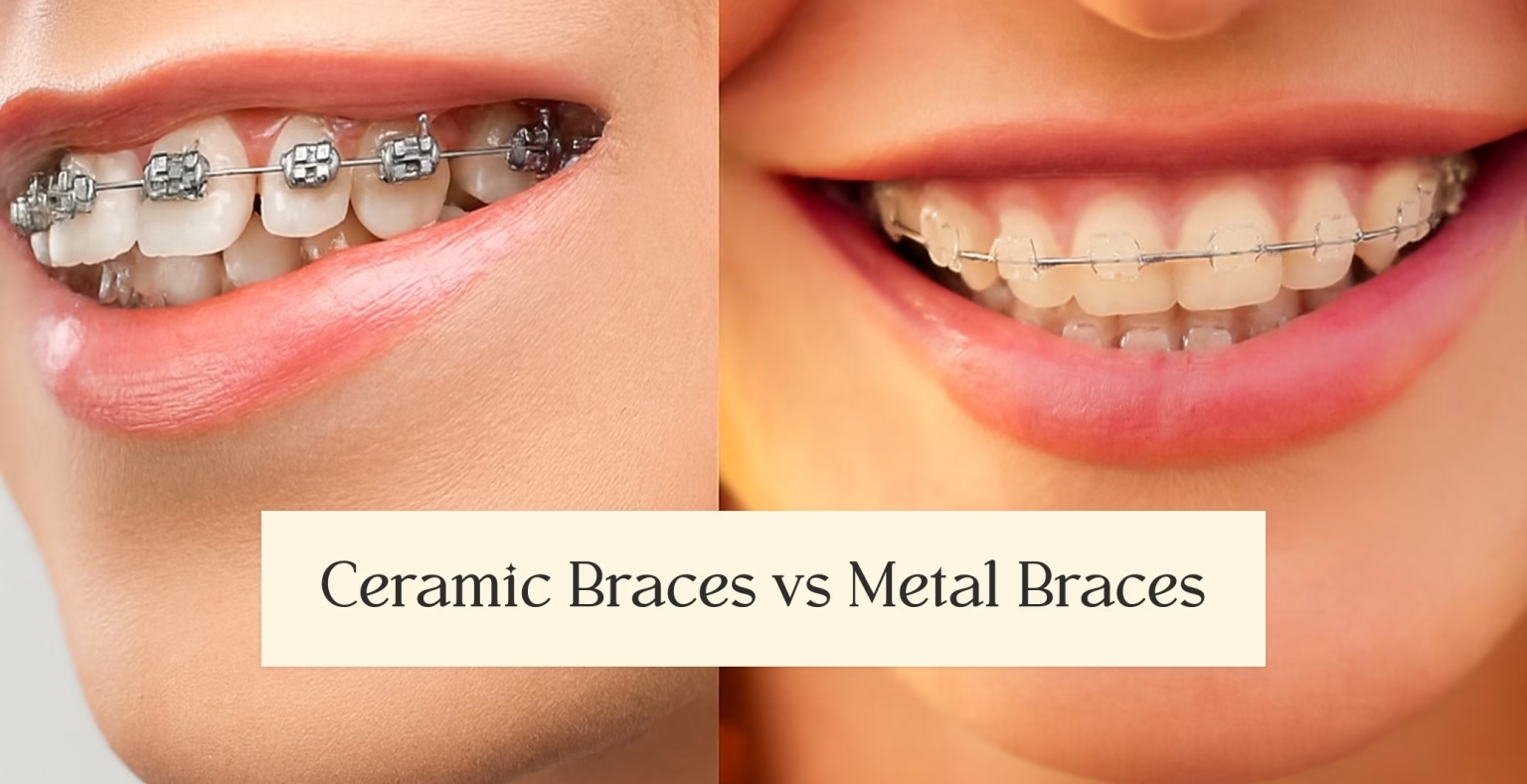
Thinking about getting braces? You’re probably wondering which type to choose. Metal braces have been around forever.
They’re the classic silver ones you’ve seen on many smiles. Ceramic braces are newer and way less noticeable. They blend in with your teeth because they’re tooth-colored.
Both options work great to straighten your teeth. But they have some key differences. Cost matters. Appearance matters too. And you want to know which one fits your lifestyle best.
The American Association of Orthodontists reports that around 4 million people in the U.S. wear braces right now. And here’s something interesting: 25% of those people are adults, not just teenagers.
Let’s break down ceramic braces vs metal braces in simple terms. This guide will help you make the right choice for your smile.
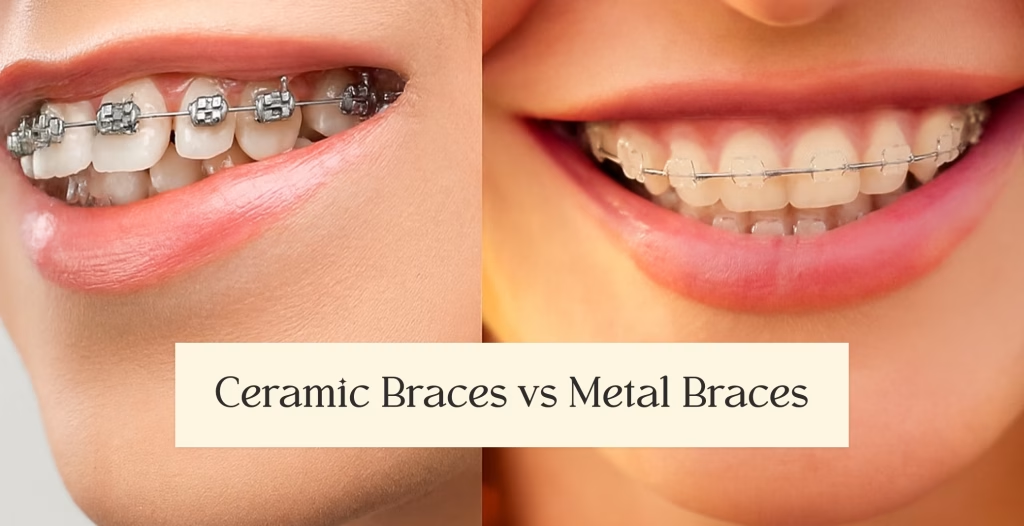
Table of Contents
What Are Ceramic Braces?
Ceramic braces work just like metal braces. They straighten your teeth using brackets and wires.
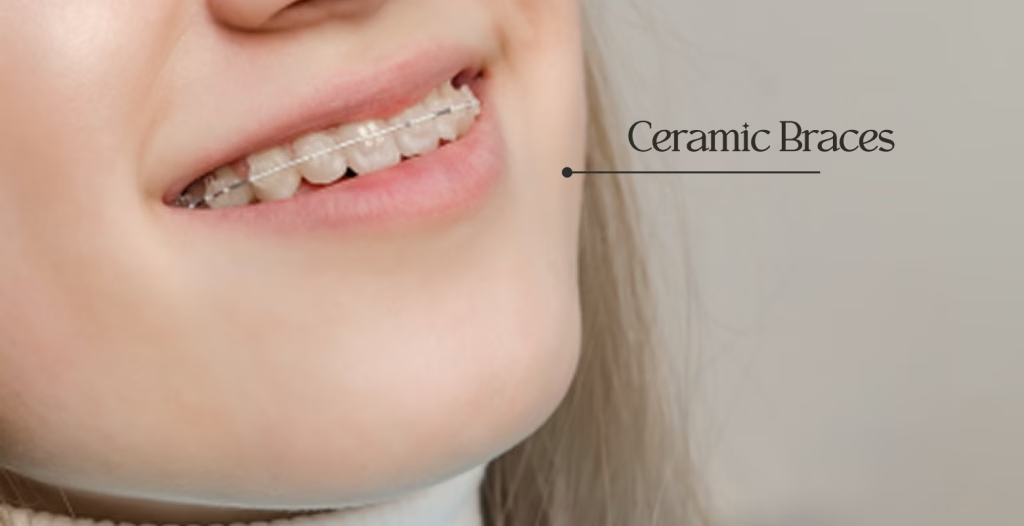
The big difference? The brackets are made from clear or tooth-colored ceramic material. This makes them blend in with your natural teeth.
Many people call them “clear braces” because they’re so hard to spot. The wires can be tooth-colored too, making them even less visible.
What to Expect with Ceramic Braces: Pros & Cons
| Advantages | Disadvantages |
| Less Noticeable – Blend with natural teeth, perfect for adults | Higher Cost – $4,000-$8,000 |
| Same Effectiveness – Fix crowding, gaps, overbites, underbites | Staining – Coffee, tea, and wine can stain brackets and ties |
| Comfortable Feel – Smoother material, less lip irritation | More Fragile – Break easier, avoids hard/sticky foods |
| Boost Confidence – Smile freely during treatment | Longer Treatment – Extra friction may extend the timeline |
| Professional Appearance – Ideal for work and social settings | Removal Takes Longer – Requires a careful debonding process |
| Strong Results – Same tooth movement power as metal braces | Extra Care Needed – More maintenance, dietary restrictions apply |
How Much Do Ceramic Braces Cost?
The price of ceramic braces depends on your treatment needs. Standard cases typically cost $4,000 to $8,000 for full treatment. Complex issues with severe misalignment can reach $10,000 or higher.
Partial treatment for top teeth only runs $2,000 to $5,000. Costs remain similar for teens and adults, though adults may need extra procedures like gum treatments first.
Most orthodontists offer flexible payment plans. You can spread costs over your treatment period with a $500 to $1,500 down payment. Many provide interest-free financing. FSA and HSA accounts give you tax benefits, too.
Insurance coverage varies widely. Most dental plans offer $1,000 to $3,000 lifetime maximums for orthodontics.
The catch? Insurance often covers ceramic braces at metal brace rates. You pay the ceramic upgrade difference yourself. Some plans exclude ceramic coverage entirely.
What Are Metal Braces?
Metal braces are the traditional type of braces you see most often. They use stainless steel brackets and wires to straighten your teeth. The brackets attach to each tooth with special dental cement.
A metal wire connects all the brackets together. Your orthodontist tightens this wire at regular appointments.
This gentle pressure moves your teeth into the right position over time. Metal braces have been around for decades and remain the most popular choice worldwide.
Advantages of Metal Braces
1. Most Affordable: Metal braces cost $3,000 to $7,000. This is the cheapest orthodontic option available.
2. Extremely Durable: Stainless steel rarely breaks or chips. The strong material handles daily wear and tear easily.
3. Fastest Results: Metal braces work faster than other options. Less friction means quicker tooth movement.
4. Works for All Cases: Metal braces fix even the most severe dental problems. No case is too difficult.
5. Best Insurance Coverage: Most dental plans cover metal braces fully up to your plan limit. This saves you money.
Disadvantages of Metal Braces
1. Very Noticeable: Silver brackets stand out against your teeth. Everyone can see you’re wearing braces.
2. Less Attractive: The metallic look draws attention to your mouth. Adults especially dislike this for work settings.
3. Mouth Irritation: Metal edges can cut your lips and cheeks initially. This causes soreness during the first few weeks.
4. Dietary Restrictions: You must avoid hard, sticky, and crunchy foods. Popcorn, nuts, and caramel are off-limits.
5. Difficult Cleaning: Food gets stuck in brackets and wires easily. You need to brush after every meal.
How Much Do Metal Braces Cost?
Metal braces offer the most budget-friendly option. Standard treatment costs $3,000 to $7,000. Complex cases may reach $8,000 to $9,000. Partial treatment runs $1,500 to $4,000.
Most orthodontists require a $300 to $1,000 down payment. Monthly payment plans spread the balance over 18 to 24 months. Many offer zero-interest financing. You can use FSA or HSA accounts for tax savings.
Insurance works best for metal braces. Most plans offer $1,000 to $3,000 lifetime benefits. Metal braces get full coverage up to your plan’s maximum. This makes them cheaper than ceramic alternatives.
Ceramic Braces vs Metal Braces: Which Works Best for You in 2026?
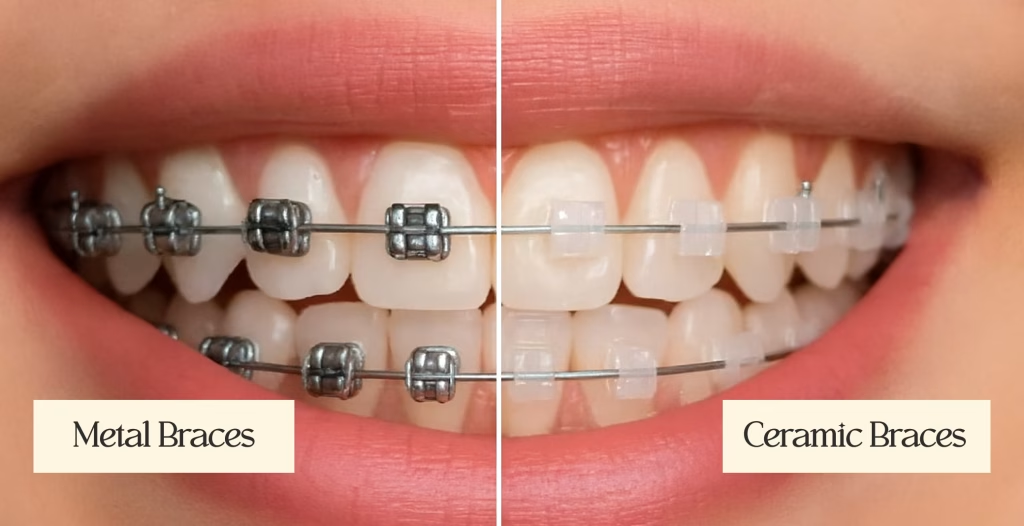
Let’s compare both options practically. Metal braces cost $3,000 to $7,000. They work 2 to 3 months faster than ceramic. They never stain from coffee or curry. Insurance covers them fully. But they’re very noticeable in every conversation and photo.
Ceramic braces cost $4,000 to $8,000. They blend with your teeth during work meetings and social events. Nobody notices them from a normal distance. But coffee, tea, and wine stain the brackets yellow. They break more easily if you eat hard foods.
Here’s my recommendation for 2026: Choose metal braces if budget matters most. You want the fastest results and the strongest durability. Choose ceramic braces if you work in professional settings. Client meetings, presentations, and video calls happen daily. The discrete appearance boosts your confidence.
Most working professionals pick ceramic braces. Students and athletes prefer metal braces for strength and savings.
Also Read: Braces vs Invisalign: Which Is Better for You
Take the Next Step Toward Your Perfect Smile
You’ve learned everything about ceramic braces vs metal braces. Now it’s decision time. But here’s the truth: you don’t have to decide alone.
Every smile is different. Your teeth, your budget, your lifestyle – they all matter. What works for your friend might not work for you. That’s why we’re here.
Come visit us for a free consultation. We’ll examine your teeth carefully. We’ll listen to your concerns about appearance and cost. We’ll check your insurance coverage together. Then we’ll recommend the best option for YOUR unique situation.
Don’t wait another day feeling unhappy about your smile. Book your appointment today. Let’s create the beautiful, straight smile you’ve always wanted. We’re excited to meet you and start this journey together.
Your dream smile is closer than you think. We’re ready when you are!
FAQs About Ceramic Braces vs Metal Braces
Are ceramic braces more expensive than metal braces?
Yes, ceramic braces cost $4,000 to $8,000. Metal braces cost $3,000 to $7,000. The difference is $1,000 to $2,000.
Do ceramic braces take more time than metal braces?
Yes, ceramic braces may take 2 to 3 months longer due to more friction with the wire.
Which braces are stronger: ceramic or metal?
Metal braces are stronger. Stainless steel rarely breaks. Ceramic brackets crack more easily with hard foods like popcorn.
Do ceramic braces stain easily?
The brackets resist staining well. However, elastic ties stain from coffee, tea, wine, and curry. Metal never stains.
Are ceramic braces really less noticeable than metal braces?
Yes, ceramic brackets blend with tooth color. People won’t notice from a normal distance. Metal brackets stand out clearly.