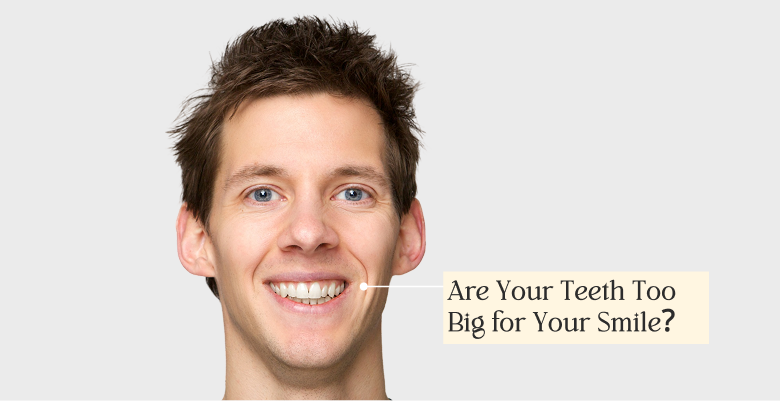
Many people feel self-conscious about their smile, especially when their teeth look too big for their face. A common question we hear is why some people have bigger teeth compared to others. It can come from family genes, childhood habits, or a condition called macrodontia. Oversized teeth may make chewing difficult, affect speech, or cause someone to hide their smile.
The good news is that these problems always have solutions. As a dentist, I have treated many patients with this concern at Crystal Clear Dental. I see people every week who feel worried about their bigger teeth. First, I check carefully to find the real cause. Then I explain the issue in simple words so they understand. After that, I guide them toward the treatment that fits best.
Sometimes the right option is restorative work, sometimes cosmetic. Each case is different. With years of experience in cosmetic and restorative dentistry, I suggest what truly works, whether reshaping, braces, implants, or dentures.
Table of Contents
Why Do Some People Have Bigger Teeth? Common Reasons & When to Treat
Many people notice that teeth size can differ from person to person. In most cases, this is just a natural variation, but sometimes it is linked to dental conditions that need care. Studies show that about 5% of people worldwide may have macrodontia, a condition where one or more teeth grow larger than normal.
Research also finds that nearly 15–20% of children develop bite issues like overbite, which can make front teeth look bigger. Understanding the cause is important because the right treatment depends on the exact reason behind the problem.

The Top Reasons Behind Large Teeth
Genetics (Family Traits): Tooth size and shape often run in families. If parents have larger teeth, children may inherit them.
Childhood Habits: Habits like thumb sucking, nail biting, or tongue thrusting can push the front teeth forward, making them look bigger.
Jaw and Tooth Mismatch: When the jaw is too small for the teeth, they may look oversized, crowded, or misaligned.
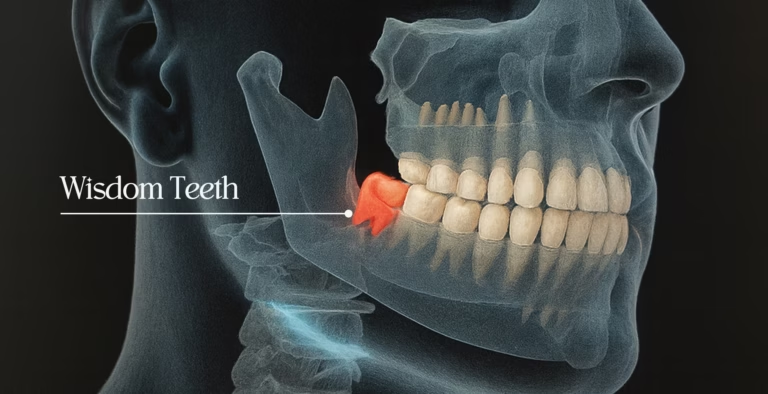
Macrodontia: A condition where one or more teeth grow larger than normal. This is less common but can affect smile balance.
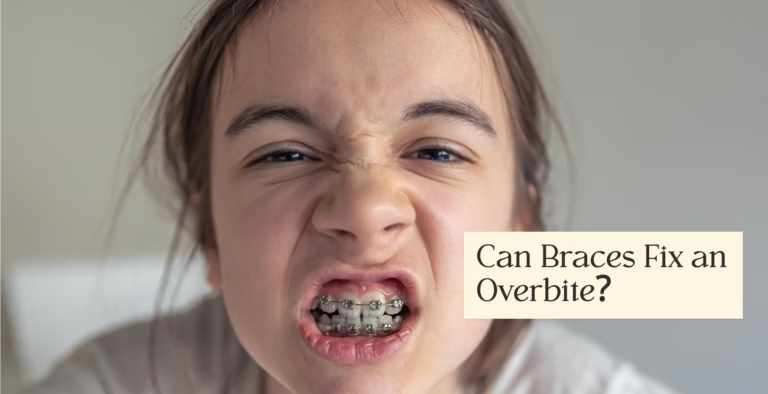
Overbite or Buck Teeth: When the top front teeth stick out, they often look bigger and may cause bite problems.
Hormonal or Developmental Issues: In rare cases, hormonal changes or certain conditions during growth can lead to unusually large teeth.
When Treatment Is Needed?
Not all cases of bigger teeth need dental work. But treatment is important when:
- Chewing or biting becomes difficult.
- Speech is affected.
- Teeth cause jaw pain or gum problems.
- The smile feels out of balance with the face.
- A patient feels self-conscious or avoids smiling.

Macrodontia: The Rare Giant Behind Big Teeth
Macrodontia means a tooth grows bigger than normal. Sometimes one tooth is large, sometimes a few, and in rare cases, many. These teeth are not just “looking big.” They are truly bigger in size and shape.
Macrodontia is very rare. Around 0.03% to 1.9% of people worldwide may have it. In one dental study, 0.6% of patients had macrodontia among other dental anomalies.
The Root Causes of Macrodontia
Genetic changes – Genes that affect how teeth grow; sometimes linked to family history.
Hormonal problems – Imbalances in growth hormones (like pituitary gigantism, adult growth hormone deficiency, or diabetes insipidus) may cause enlarged teeth.
Environmental factors – Toxins, poor diet, or other outside factors can affect tooth size.
Teeth growing together – Two teeth may fuse into one large tooth.
Abnormal single tooth growth – A tooth keeps growing larger than normal.
Health disorders – Rare conditions like KBG Syndrome, Octodental Syndrome, Hemihypertrophy, Hemifacial Hyperplasia, Klinefelter Syndrome, or Rabson-Mendenhall Syndrome can lead to oversized teeth.
Linked conditions – Enlarged pituitary glands or uneven facial growth may also cause macrodontia.

Restorative and Cosmetic Dentistry Options for Bigger Teeth
Tooth Reshaping (Contouring) – For slightly oversized teeth that need minor size reduction.
Dental Veneers – For front teeth that look too big or uneven, to create balance and symmetry.
Composite Bonding – For teeth that are chipped, misshapen, or need cosmetic correction.
Braces or Clear Aligners – For big teeth causing crowding or an overbite.
Tooth Extraction – For severe macrodontia, where one tooth is too large to keep.
Dental Implants – To replace an oversized tooth that has been removed.
Dental Crowns – For large teeth that also have damage or need reshaping for function.
Smile Design Treatment – A full cosmetic plan for patients who want a balanced and natural look.
Conclusion
Many patients worry about their teeth looking too big. Some feel pain when they chew. Others feel shy to smile in public. I always tell them that there is no need to suffer in silence. At Crystal Clear Dental here in San Antonio, we look for the true cause first. Then we create a plan that fits each person.
Sometimes the answer is simple reshaping. Sometimes it is braces, veneers, implants, or even a full smile design. I know life feels fast and stressful, whether you are in San Antonio or among busy New Yorkers.
That is why my team works hard to make each visit comfortable and stress-free. I want each person to leave my clinic knowing they made the right choice for their health and happiness.