
Nerve injury is rare but a possibility. No one should take it lightly. This type of pain may mean the nerve didn’t fully recover. Your dentist may need to do more scans or retreat the tooth. Most people heal well after the procedure. But some notice odd signs in the days or weeks that follow.
These signs may point to nerve trouble. Spotting the signs early helps stop long-term problems.
At Crystal Dental Care, we help patients understand the early symptoms of nerve damage after root canal so they can act fast. Visit us for expert root canal treatment in San Antonio.
Table of Contents
Symptoms of Nerve Damage After Root Canal
After a root canal, mild pain or numbness is common. But nerve damage feels different. It doesn’t go away with time. And instead it sticks around or gets worse.
You might have a persistent tingle in your lips, tongue or chin. It can feel like your arm is pins and needles. Sometimes it burns. Other times, it’s a dull numbness. If the trigeminal or mandibular nerve is affected, you may even lose sensation in part of your face.
Another sign is sharp or electric-shock-like pain when you touch the area. Some people notice weakness in their jaw. Others struggle to chew without pain. These signs mean your nerve got injured. So, don’t wait.
Go to a dentist who knows how to handle nerve damage following root canal. Early care is important in helping prevent long-term problems.

How Nerve Damage Happens During Root Canal
During a root canal, your dentist removes the infected pulp deep inside the tooth. They clean and fill the roots to stop pain and infection. Sometimes, the tools go too deep or too close to a nerve.
This can irritate or injure the nerve nearby.
Mild pain is normal for a day or two. But pain that becomes sharp, burning, or deep isn’t. If it feels unbearable and doesn’t respond to painkillers, act fast. This may mean nerve pressure or a hidden infection.
You may need a scan to check the nerve area. In some cases, a nerve block or surgery is needed.
Unbearable pain is one of the most serious symptoms of nerve damage after root canal, and needs fast attention.
Swelling or strong cleaning solutions can also affect nearby nerves. The most at-risk nerves are the trigeminal and mandibular nerves.
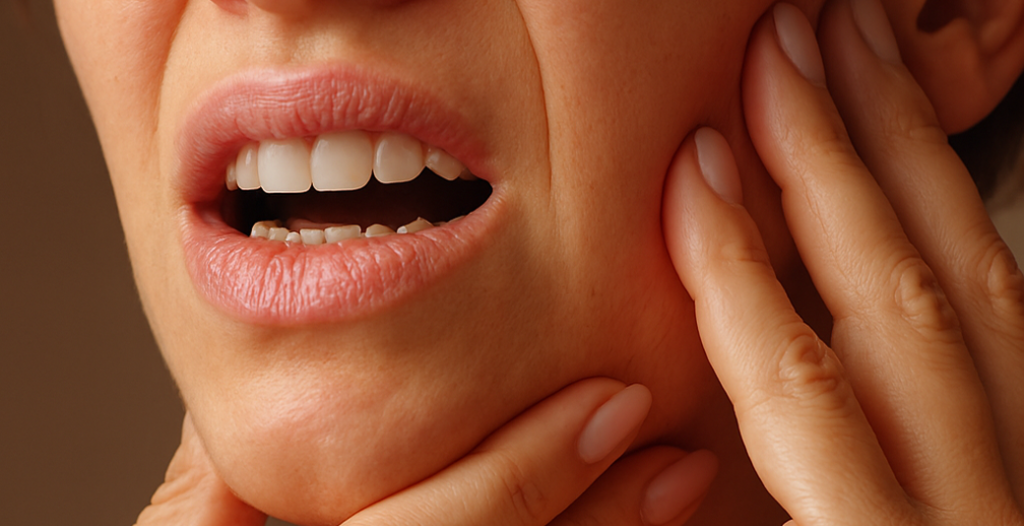
Typical Symptoms of Nerve Damage After Root Canal
Some pain fades in days. But sometimes, in rare cases, it bounces back months later. It might feel dull or sharp. You might feel it while chewing, brushing or eating something hot or cold.
Long-lasting symptoms due to nerve damage following a root canal can be more challenging to treat, however, still almost always controllable. Nerve damage feels different from regular root canal soreness. Here are some warning signs to look out for:
a. Long Lasting Numbness After Root Canal
It is normal for the area to feel numb for several hours after treatment. But if it goes on for more than 24 to 48 hours, that’s a problem.
You can experience it in your lips, jaw, tongue, or gums. This may mean a nearby nerve is under pressure.
b. Facial Numbness After Root Canal
If you develop numbness that involves spreading across your cheek or jaw, that is something to take seriously. Your face may also feel “asleep” or tingly. This may occur when the trigeminal or facial nerve is damaged.
The numbing sensation is one of the visible effects of nerve damage after root canal, and is more common in lower teeth.
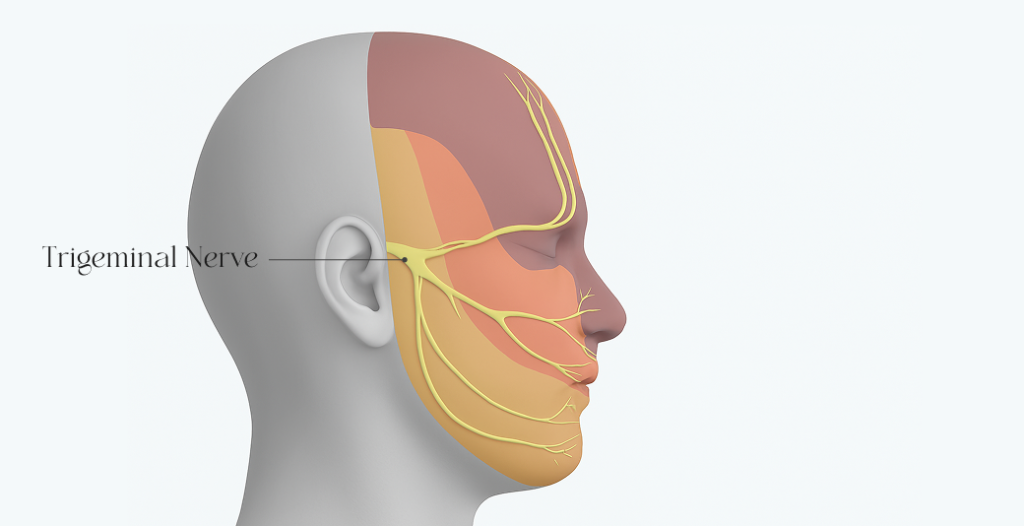
c. Trigeminal Nerve Damage
The trigeminal nerve controls your face, lips, and jaw. If it gets hurt, you might feel sharp jolts, tingling, or burning. This often happens after work on the lower molars.
In some, the pain radiates from your cheek or down to your neck. You may also have some pressure behind your eye or in your temple. Even brushing your teeth or touching your face can hurt.
One of the more serious symptoms of nerve damage after root canal is injury to the trigeminal nerve.

d. Mandibular Nerve Pain
The nerve passes down the lower jaw toward the chin. If irritated, it can cause sharp pain or tingling in the jaw or chin. You may find it hard to chew, speak, or smile. This pain often feels like small shocks or deep throbs.
It can get worse at night. This type of pain will typically begin when the dentist introduces a tool, or filling substance into the nerve canal. If you treat it soon, the nerve will heal fine.
If you feel shooting pain or loss of control in your jaw, these may be symptoms of nerve damage after root canal linked to the mandibular nerve.
How to Stop Throbbing Pain After Root Canal
Some throbbing is normal at first. It should fade in one or two days.
If it lingers, try these:
- ❄️ Cold compress on the cheek
- 💊 Anti-inflammatory meds (only as advised)
- 🌊 Saltwater rinse
- 🛌 Sleep with your head raised
- 🚫 Avoid biting with that tooth – 50 Soft Foods to Eat After Root Canal
If throbbing lasts over 48 hours, call your dentist.
⚠️Ongoing throbbing may not seem serious but could be early symptoms of nerve damage after root canal.
You can read about Top Foods to Avoid After Root Canal.
Long-Term Side Effects of Root Canal Treatment
Most people recover without issues. But some feel side effects long after the treatment.
These may include:
- Tingling in lips or chin
- Cold sensitivity
- Jaw stiffness
- Numb patches inside the mouth
- Pain during chewing
These side effects may come from slow nerve healing. This doesn’t mean your dentist made a mistake. It means the tissue near the nerve didn’t heal as expected. With the right care, healing is still possible.
When to Call Your Dentist
These may be signs your nerve needs extra help. Call your dentist if you feel:
- Numbness after 2 days
- Pain that spreads to your jaw or cheek
- Strange taste that doesn’t go away
- Trouble chewing or moving your jaw
At Crystal Dental Care, we track every stage of healing to keep you safe.
Conclusion
Root canal helps protect your natural tooth. But nerves are delicate. Many people feel better in a couple of days. And also, a few may need extra time to heal.
If anything feels off, don’t wait. Even small signs matter. Crystal Dental Care listens, checks, and treats early so you don’t suffer longer than needed.
If you notice symptoms of nerve damage after root canal, trust your gut and talk to a dentist today.