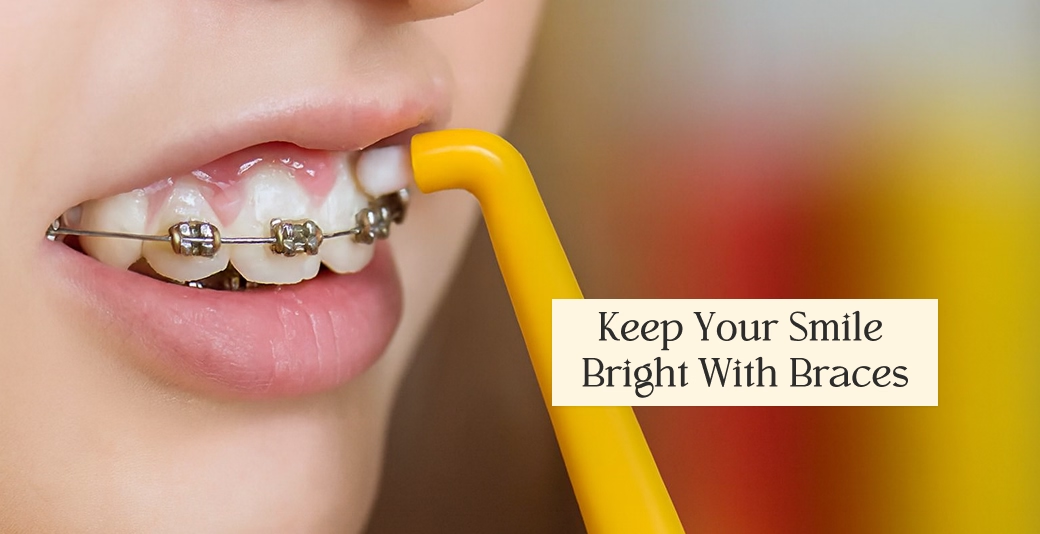
Many people want to know how to whiten teeth with braces. Braces help straighten teeth, but they can also make teeth look yellow. Food and plaque often get stuck around the brackets and wires. If cleaning is not done properly, stains can build up fast.
The good news is that you can still keep your teeth white while wearing braces. You just need safe methods and good daily habits. Some whitening products can cause uneven color, so it is important to know what works and what to avoid.
In this blog, I will explain simple and safe ways to whiten teeth with braces. You will learn about orthodontist-approved toothpaste, proper brushing and flossing, whitening mouthwash, stain-resistant foods, diluted hydrogen peroxide rinses, and professional cleanings. I will also explain why whitening strips and gels should be avoided while braces are on.
These steps are easy to follow and safe during treatment. They help keep your teeth clean, healthy, and bright until your braces come off.
Table of Contents
How to Whiten Teeth With Braces: Best 7 Safe Methods That Actually Help
Many people want to know how to whiten teeth with braces because braces can make teeth look yellow over time. Food, drinks, and plaque often stay around brackets and wires. This makes stains easier to see. Whitening teeth with braces is possible, but it must be done the right way. Using the wrong products can cause uneven color or damage enamel.
Below are the best 6 safe methods to keep your teeth clean and bright while wearing braces. These methods work together. They focus on cleaning, stain control, and tooth protection.
Method #1: Orthodontist-Approved Whitening Toothpaste
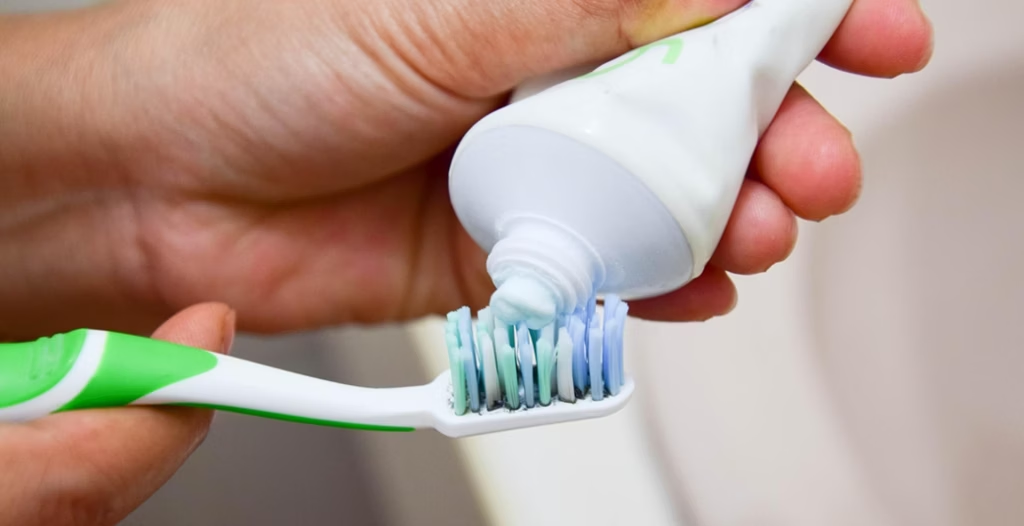
Whitening toothpaste is one of the safest options when you have braces. But not all whitening toothpaste is good for braces. Strong or harsh toothpaste can wear down enamel and cause white marks around brackets.
A good toothpaste for braces should contain fluoride. Fluoride protects teeth from cavities and helps keep enamel strong. It should also have low-abrasive ingredients. These gently clean surface stains without scratching teeth.
Good toothpaste elements:
- Fluoride for enamel protection
- Mild polishing agents for surface stains
Avoid toothpaste with:
- Charcoal (too rough for enamel)
- Strong bleaching chemicals
- Extra gritty textures
Use the toothpaste twice a day. It will not whiten teeth overnight, but it helps keep stains from getting worse.
Method #2: Brush and Floss Correctly Every Day
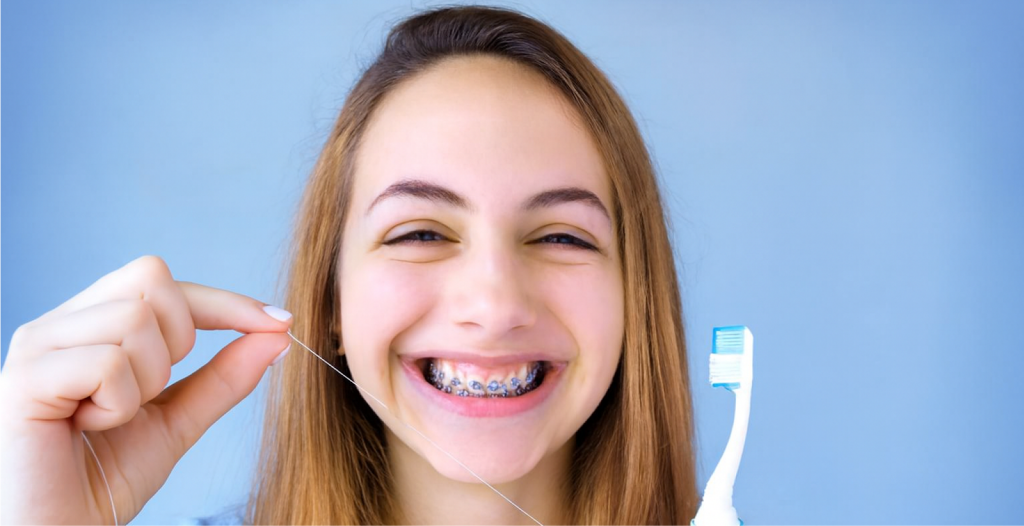
Good brushing and flossing are the most important steps for white teeth with braces. If plaque stays on teeth, stains will follow.
Brush at least two times a day. If possible, brush after meals. Use a soft-bristle toothbrush or an orthodontic brush. Clean slowly and gently.
Brush in these areas:
- Above the brackets
- On the brackets
- Below the brackets
- Along the gum line
Floss every day. This is very important. Use floss threaders, orthodontic floss, or a water flosser. Floss removes food and plaque from places your brush cannot reach. Clean teeth stay whiter and healthier.
Method #3: Try Whitening Mouthwash
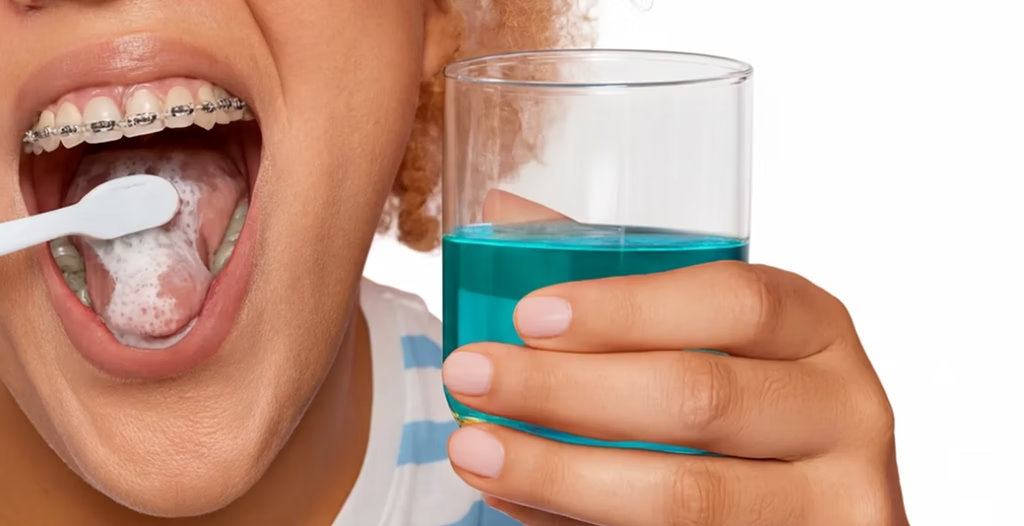
Whitening mouthwash helps remove light surface stains and freshens breath. It also helps kill bacteria that cause plaque buildup.
Choose a mouthwash that is:
- Alcohol-free (gentler on gums)
- Contains fluoride
- Safe for daily use
Do not expect mouthwash to bleach teeth. Its job is to support daily cleaning and prevent stains from building up. Use it once or twice a day after brushing.

Method #4: Eat Stain-Resistant Foods
What you eat affects tooth color, especially with braces. Dark foods and drinks can stain teeth and settle around brackets.
Foods that are less likely to stain:
- Chicken, fish, eggs
- Rice, bread, pasta
- Milk, yogurt, cheese
- Apples and bananas
Foods and drinks to limit:
- Coffee and tea
- Soda and colored drinks
- Tomato sauce
- Curry and dark spices
After eating or drinking, rinse your mouth with water. This simple habit helps wash away stain-causing particles before they settle.
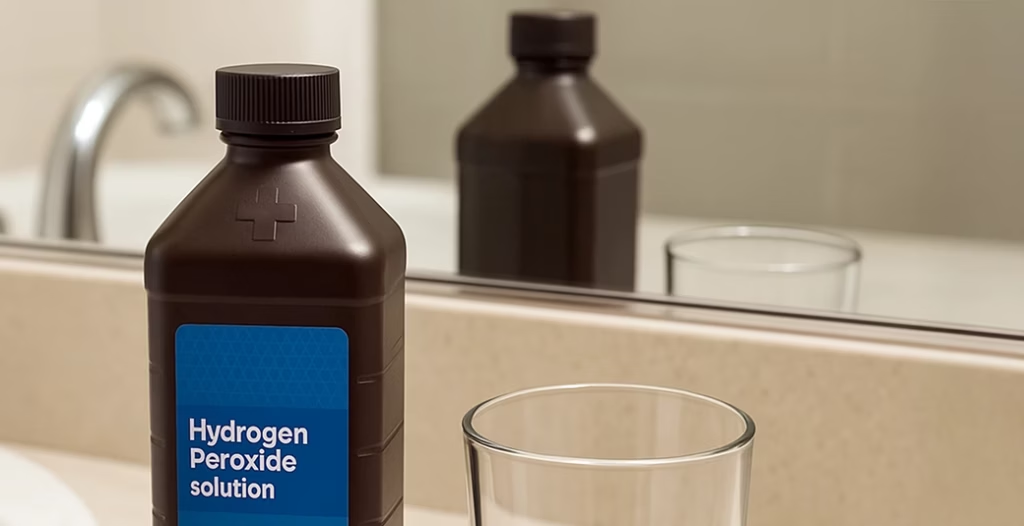
Method #5: Rinse With Hydrogen Peroxide Solution (Diluted)
A diluted hydrogen peroxide rinse can help reduce surface stains if used carefully. It should never be used full strength.
Safe mix:
- One part 3% hydrogen peroxide
- One part water
Swish for 20–30 seconds, then spit it out. Do not swallow. Use this only one or two times a week. Using it too often can irritate gums and weaken enamel. If you feel burning or sensitivity, stop using it.
Method #6: Schedule Professional Cleanings
Professional cleanings are very important when you have braces. Dentists can remove plaque and stains from areas you cannot clean at home.
Professional cleanings help:
- Prevent white spots
- Remove surface stains
- Keep gums healthy
Most people should get cleanings every six months. Some people with braces may need them more often. Your dentist will guide you.
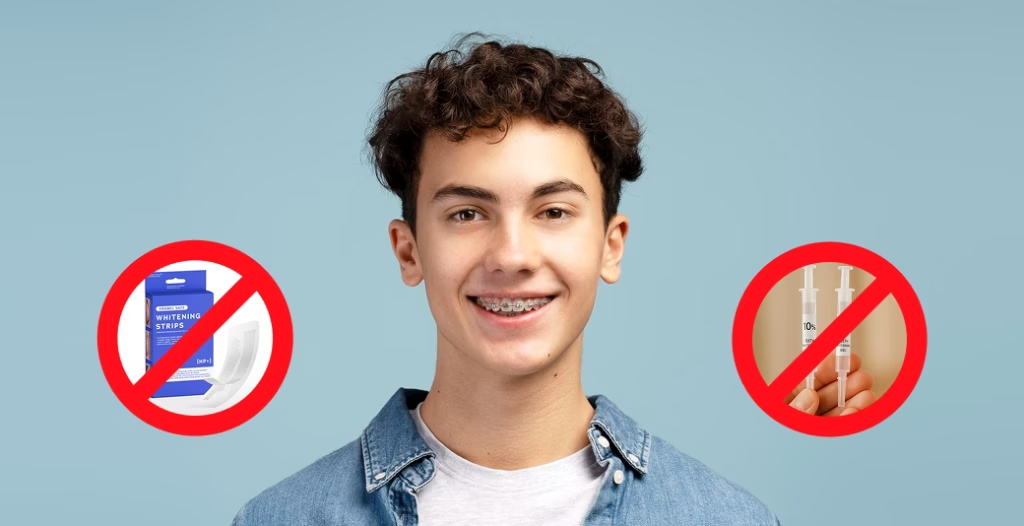
Method #7: Avoid Whitening Strips and Gels (While Braces Are On)
Whitening strips and gels are not safe to use with braces. They cannot reach the tooth under the brackets. This causes uneven whitening.
After braces come off, you may see darker squares where brackets were placed. This is hard to fix. The best choice is to wait. Once braces are removed, whitening treatments work evenly and give better results.
Important Reminder
Whitening teeth with braces is about cleaning and prevention, not fast bleaching. Be patient. Follow daily care steps. Avoid shortcuts. This will help your teeth look even, healthy, and bright when your braces come off.
Conclusion
Keeping your teeth clean while wearing braces takes extra care, and professional support makes a real difference. At Crystal Clear Dental, the dental team uses special tools that clean safely around brackets and wires. They remove plaque and tartar from hard-to-reach areas, check your gums for early signs of irritation, and help stop white spots before they start. Regular cleanings during orthodontic treatment keep teeth healthier, reduce stains, and help you enjoy a brighter, even smile when your braces come off.