Braces should fix teeth, not make daily life painful. When soreness starts, the first question parents ask is how to help toothache from braces. The good news is that this pain is common and easy to manage.
That tight, aching feeling comes from teeth moving. It often shows up after braces go on or after adjustments. It does not mean something is wrong.
Here, you will find simple answers that actually help. Fast relief tips. Easy home care steps. Clear signs of what is normal and what needs a call to the dentist. If braces hurt, this guide gives you the solution in one place.
Table of Contents
How to Help Toothache From Braces: 10 Easy Ways That Actually Work
Brace pain can feel annoying, sore, and sometimes unfair. One day, everything feels fine. The next day, chewing hurts, and teeth feel tight. If you are searching for how to help toothache from braces, this guide gives you clear answers in one place.
Brace pain is normal. Teeth move. Gums react. The good news is that relief is simple and does not take much effort. Use the methods below to feel better faster.
1. Warm Salt Water Rinse
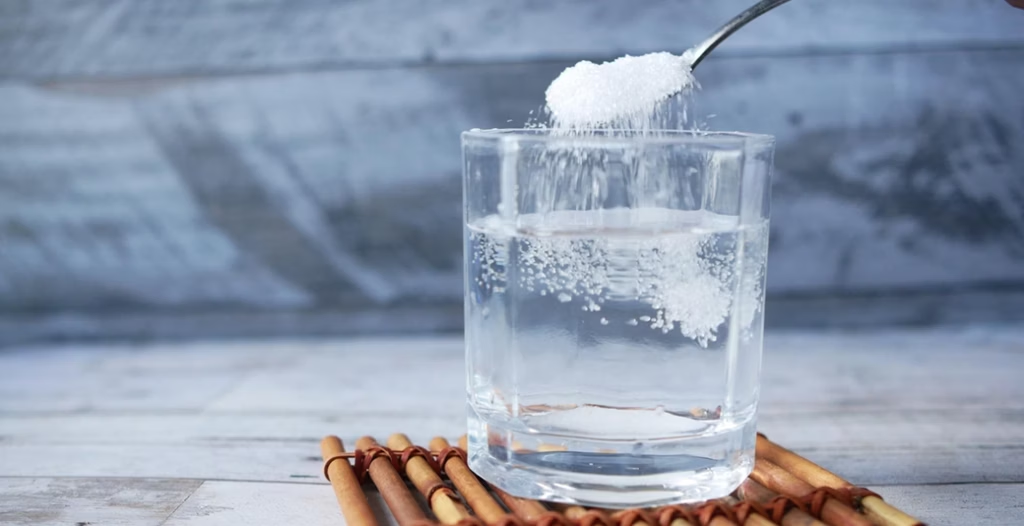
A warm saltwater rinse helps calm sore gums and heal small cuts caused by brackets and wires. Mix half a teaspoon of salt into one cup of warm water.
Swish gently for about 30 seconds, then spit it out. Use these two to three times a day, especially after meals. It reduces swelling, keeps the mouth clean, and makes braces pain easier to handle.
2. Ice or Cold Compress
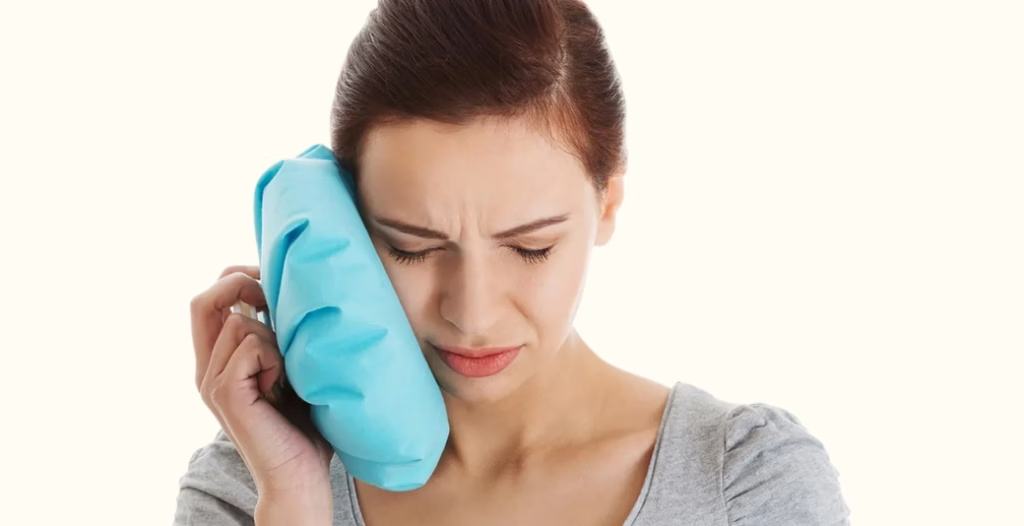
Cold helps most during the first day of brace pain. Place an ice pack or cold gel pack on the outside of your cheek for ten to fifteen minutes. Repeat every two to three hours if needed.
Cold numbs the area and lowers swelling caused by tooth movement. You can also use ice chips or cold drinks, but avoid biting hard ice directly with your teeth.
3. Warm Peppermint Tea Bags
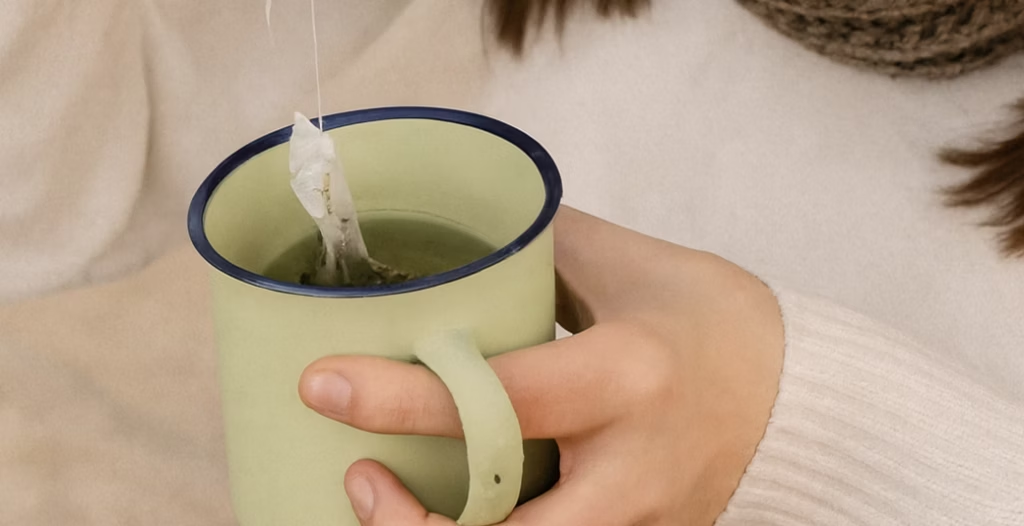
Peppermint tea bags provide gentle comfort for sore gums. Soak a tea bag in warm water for one to two minutes, then let it cool slightly. Place it directly on the sore gum area for five to ten minutes.
Use once or twice a day. Peppermint has a soothing effect and helps reduce irritation while leaving the mouth feeling fresh and clean.
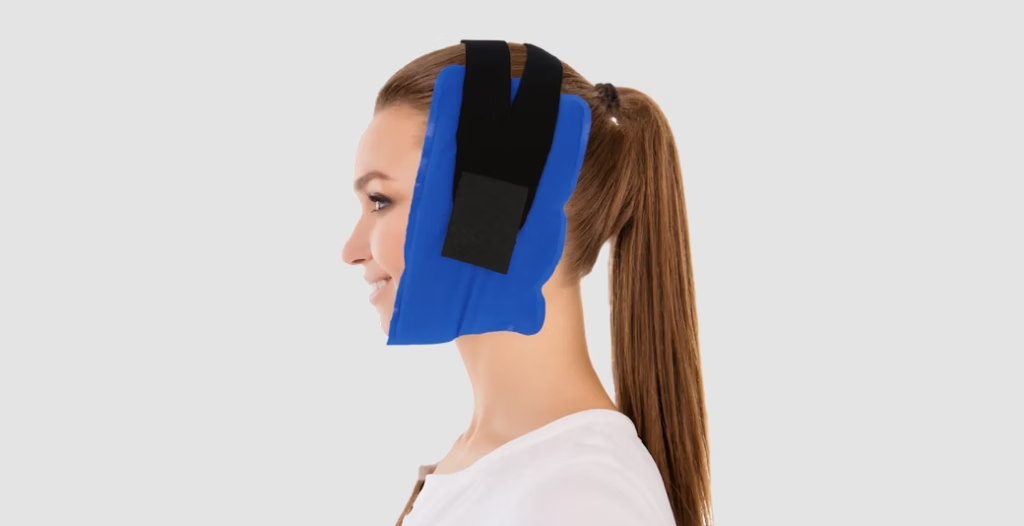
4. Heat Pads for Jaw Pain
Jaw pain often starts after the first day of braces pressure. A warm heating pad or warm towel placed on the cheek helps relax tight jaw muscles.
Apply heat for ten to fifteen minutes, one or two times a day. Heat improves blood flow and reduces stiffness. Always use gentle warmth, not high heat, to avoid skin irritation.
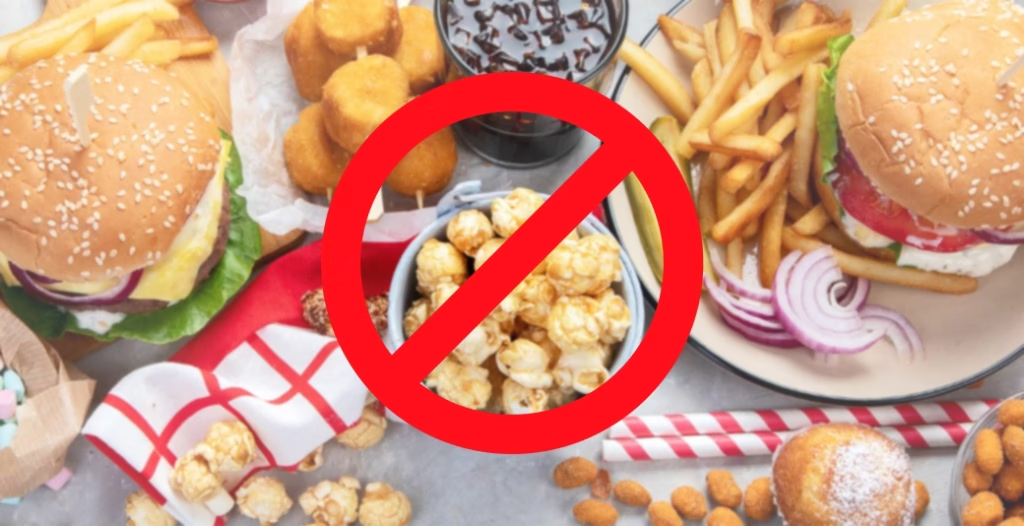
5. Avoid Hard and Crunchy Foods
Hard foods increase pain when teeth feel sore. Avoid nuts, chips, popcorn, crusty bread, and chewy candy for the first few days after braces adjustments.
Choose soft foods like soup, yogurt, rice, mashed potatoes, eggs, or pasta. Soft foods reduce pressure on moving teeth and help soreness settle faster while protecting brackets from damage.
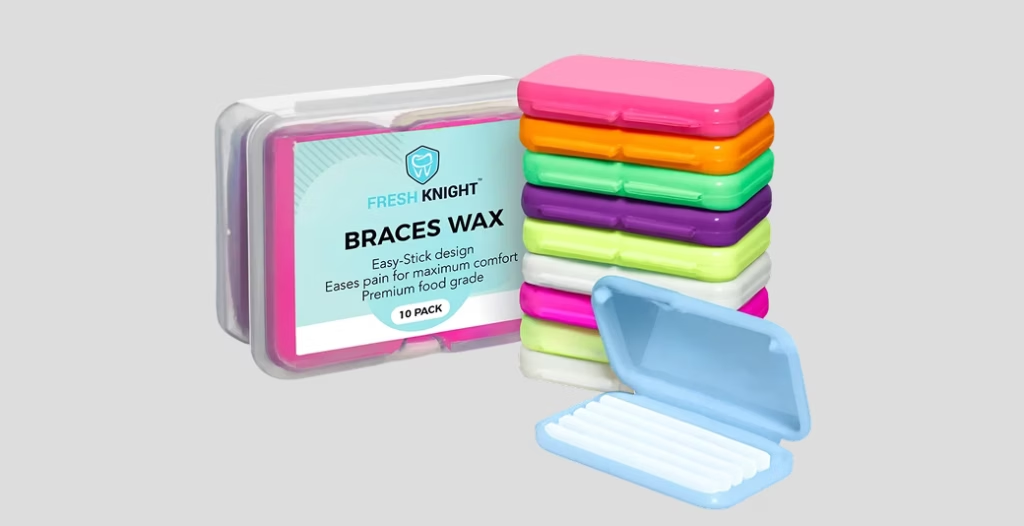
6. Orthodontic Wax
Orthodontic wax protects cheeks and lips from sharp brackets and wires. Dry the area first, then press a small pea-sized amount of wax over the rough spot. Replace the wax whenever it wears off, even several times a day.
Wax creates a smooth surface and prevents painful rubbing, making talking and eating much more comfortable during braces treatment.
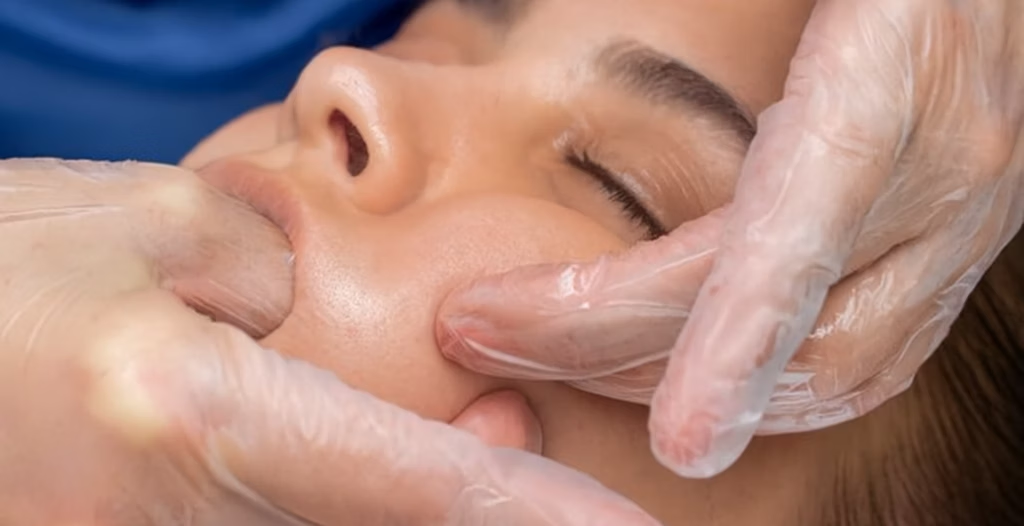
7. Gentle Gum Massage
Gum massage helps reduce soreness caused by pressure from braces. With clean hands, gently massage your gums using a finger or a soft toothbrush.
Do this for thirty to sixty seconds, once or twice a day. Light pressure improves blood flow and eases tightness. Never press hard, as gums can feel sensitive during active tooth movement.
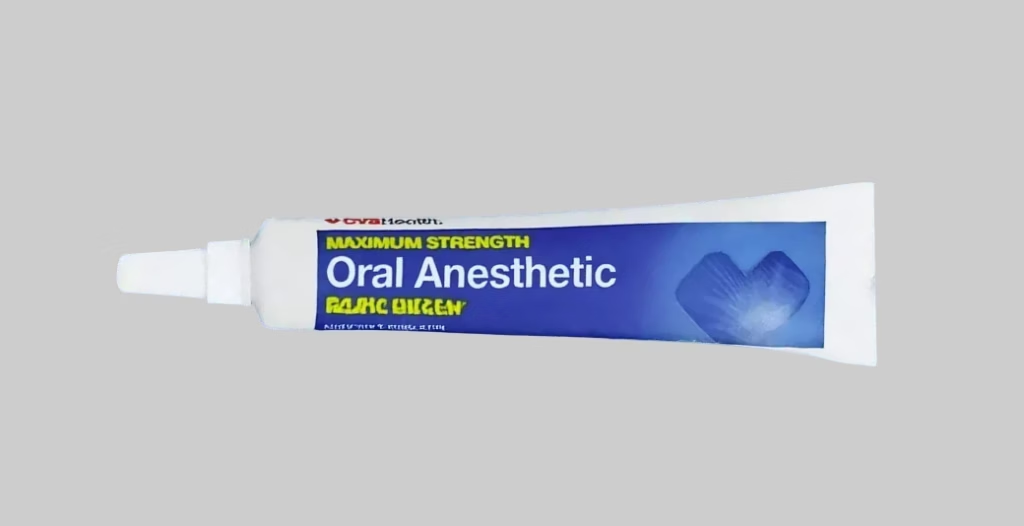
8. Oral Anesthetic Gel
Oral anesthetic gels like Orajel or Anbesol numb sore gums and teeth quickly. Apply a small pea-sized amount directly to the painful area using a cotton swab or finger.
You can use it up to four times a day, especially before eating. This temporary numbing effect helps reduce discomfort when soreness feels strong or distracting.
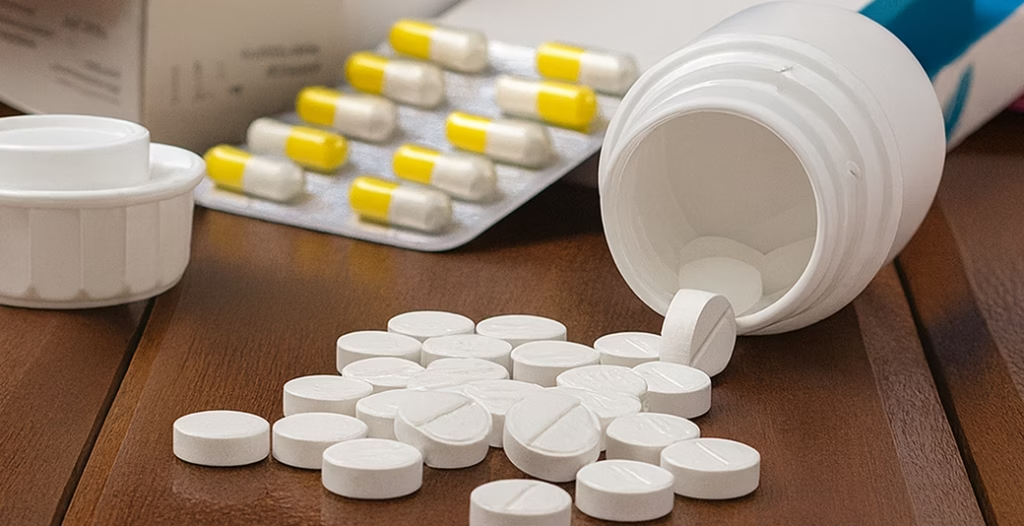
9. Over-the-Counter Pain Medicine
Pain medicine can help after braces adjustments. Many people take over-the-counter pain medicine about one hour before an orthodontic visit to reduce soreness later.
Follow the dosage instructions on the label carefully and then use it. Do not take it daily. If pain lasts longer than three days, contact your orthodontist for advice.

10. Good Dental Hygiene
Keeping teeth clean reduces gum pain during braces treatment. Brush gently twice a day with a soft toothbrush. Floss once daily and rinse after meals to remove food particles.
Clean gums swell less and heal faster, which lowers soreness. Good hygiene also prevents infections that can make braces pain worse and delay progress.
Conclusion
Most braces soreness improves with simple care at home. These methods help many kids and teens feel better within a few days. But sometimes pain lasts longer, feels sharp, or makes eating and sleeping hard. When that happens, you should not wait or guess.
Crystal Clear Dental steps in when home relief is not enough. Their team checks brackets, wires, and bite pressure to find the real cause of pain. They adjust anything that rubs, pokes, or creates extra stress on teeth. If swelling or irritation needs care, they guide you safely and clearly.
Crystal Clear Dental also takes time to listen. They explain what is normal, what is not, and how long discomfort should last. If braces hurt more than expected, they make quick fixes so treatment stays comfortable and on track. If home relief does not help, contact us for fast, gentle care.