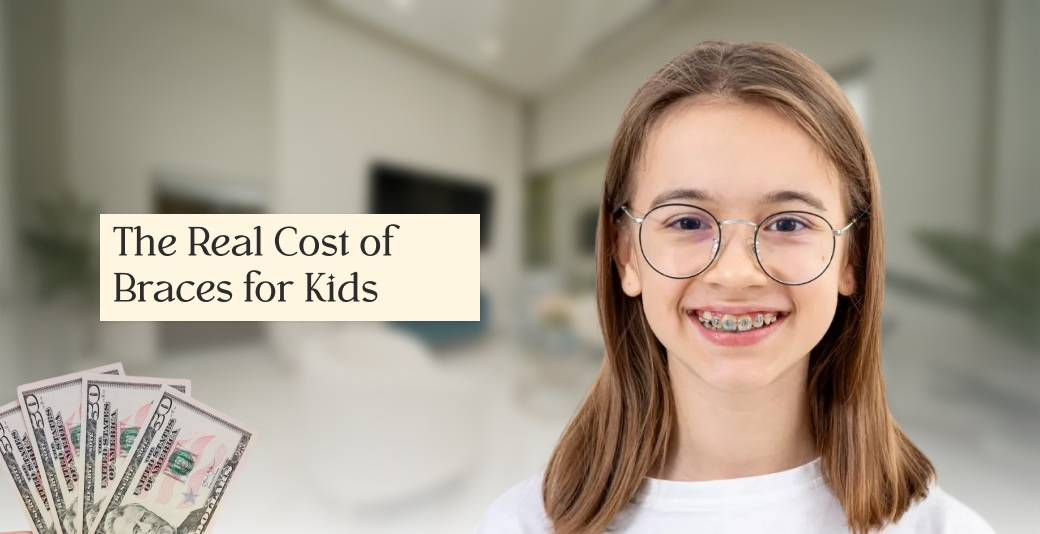
Many parents ask how much do braces cost for kids. The price matters. Timing matters too. Early brace care can lower future problems and costs. Orthodontic experts advise parents to plan early.
The American Association of Orthodontists suggests a first orthodontic check around age 7. This visit does not always mean braces start right away. It helps spot jaw issues, crowding, or bite problems while teeth are still growing.
Some kids need early help. Doctors often call this Phase 1 treatment. It usually happens between ages 6 and 10. This stage can guide jaw growth and make later treatment easier.
Most kids start full braces later. Many begin between the ages of 10 and 14. By then, adult teeth come in. Braces work better at this stage for straightening teeth and fixing bite issues.
Understanding timing helps parents to plan costs. The braces cost for kids depends on age, treatment type, and length of care. Early guidance can reduce long-term expense and stress for families.
Table of Contents
How Much Do Braces Cost for Kids? A Simple Breakdown by Type
Parents ask this question every day. But there is no single price. The cost changes based on the type of braces your child needs, their age, and how complex the treatment is.
Some braces work best for early growth stages. Others fit older kids with adult teeth. Each option comes with its own price range, comfort level, and treatment goal. Knowing these differences helps parents choose the right braces without surprises later.
Below is a clear breakdown of each brace type, when doctors use them, and what families usually pay.
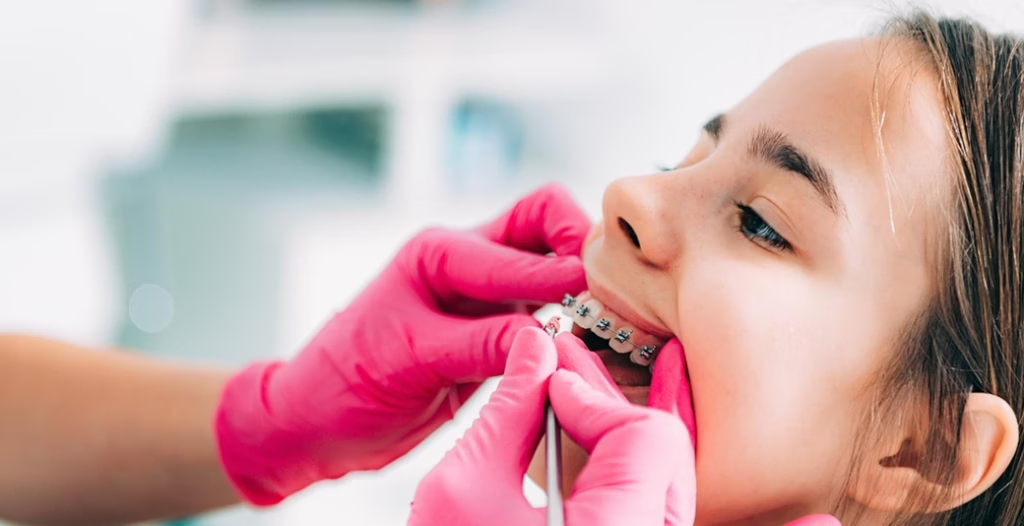
Metal Braces (Most Common for Kids)
Average cost: $3,000 – $6,000
Metal braces remain the most used option for children. They fix crowding, gaps, and bite issues very well.
Best age range:
- 10 to 14 years
- When most adult teeth are present
Why parents choose them:
- Strong and reliable
- Lower cost than other types
- Works for mild to severe problems
Things to know:
- Brackets show when your child smiles
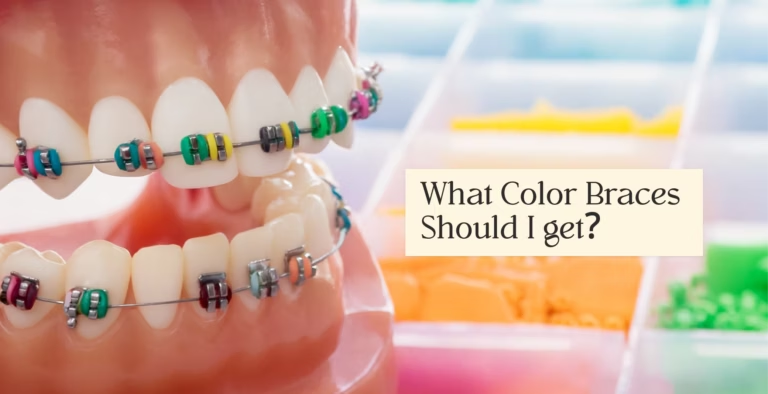
- Rubber band colors make them fun for kids
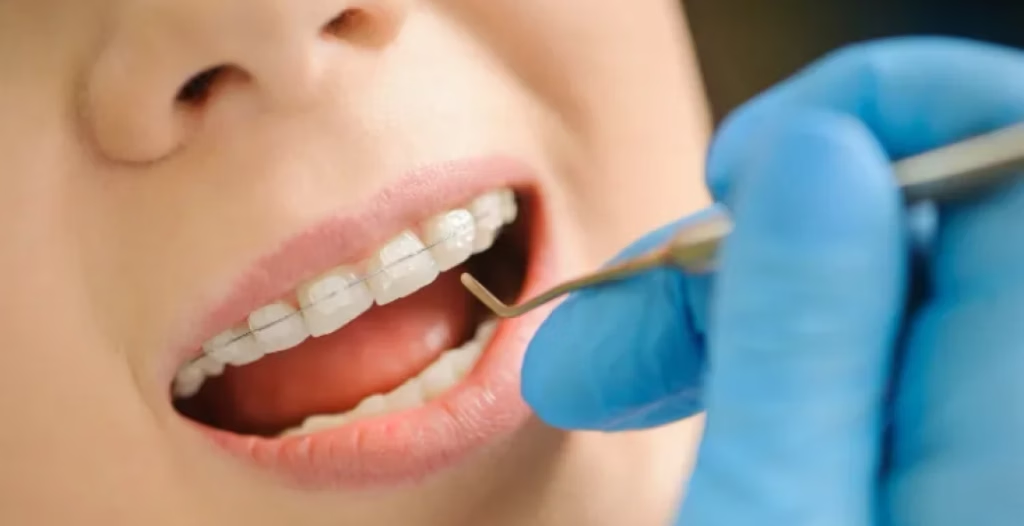
Ceramic Braces (Less Visible Option)
Average cost: $4,000 – $7,000
Ceramic braces work like metal braces but blend with teeth color.
Best age range:
- 12 to 14 years
- Responsible kids who follow care rules
Why parents choose them:
- Less noticeable
- Same results as metal braces
Things to know:
- Brackets can stain without good cleaning
- Higher cost than metal braces
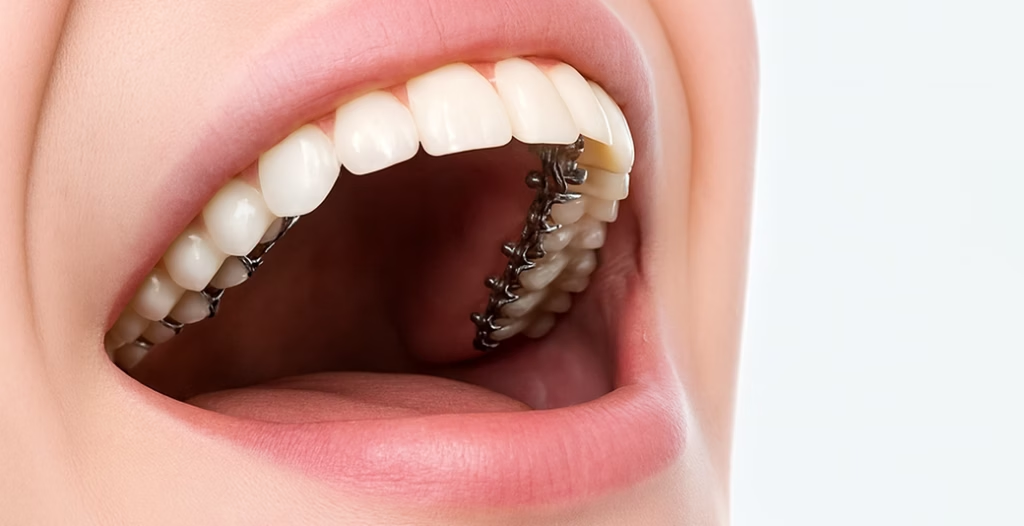
Lingual Braces (Behind the Teeth)
Average cost: $8,000 – $10,000
These braces attach to the back of the teeth. Kids rarely use this option.
Best age range:
- Teens only
- Very specific cases
Why parents choose them:
- Hidden from view
Things to know:
- Hard to clean
- Speech issues at first
- High cost
- Not common for children
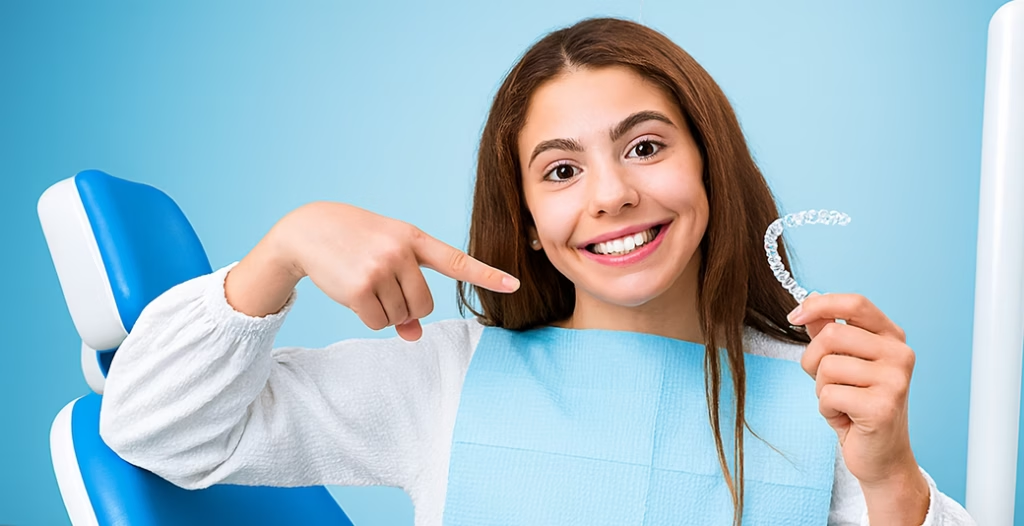
Clear Aligners (Invisalign for Kids/Teens)
Average cost: $3,500 – $6,500
Clear aligners use removable trays. Doctors may suggest them for older kids.
Best age range:
- 11 to 14 years
- Kids who follow instructions
Why parents choose them:
- Nearly invisible
- Easy to remove for eating
- Better comfort
Things to know:
- Needs discipline
- Not ideal for severe cases
- Lost trays increase cost
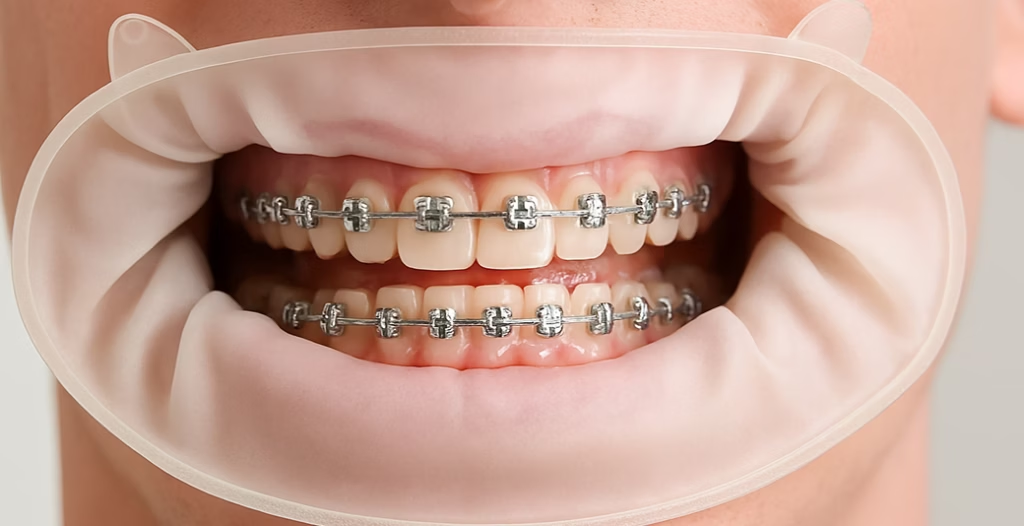
Self-Ligating Braces
Average cost: $4,000 – $6,500
These braces use clips instead of rubber bands.
Best age range:
- 10 to 14 years
Why parents choose them:
- Fewer adjustment visits
- Easier cleaning
- Less pressure on teeth
Things to know:
- Cost more than standard metal braces
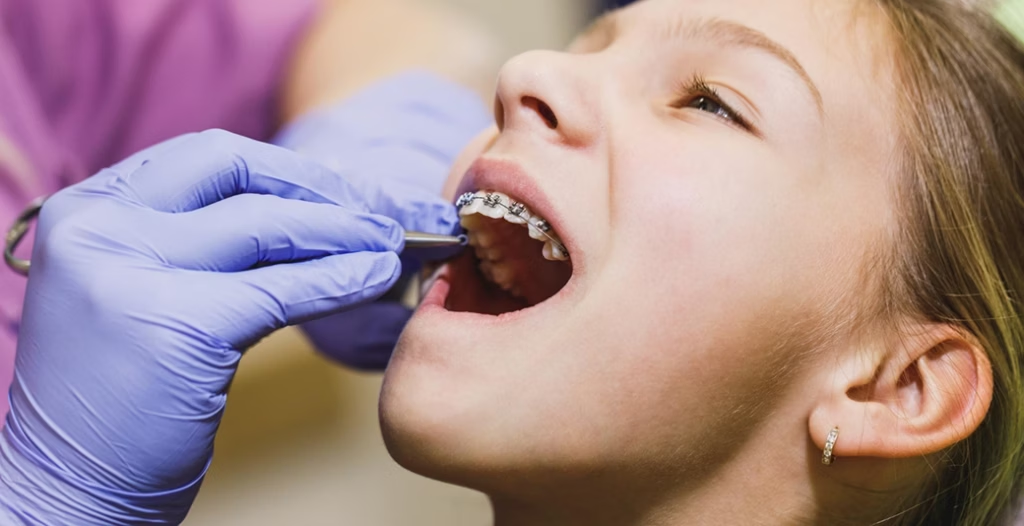
Phase 1 Braces (Early Treatment)
Average cost: $2,000 – $4,000
Phase 1 treatment focuses on jaw growth and spacing, not full straightening.
Best age range:
- 6 to 10 years
Why parents choose them:
- Reduces future treatment time
- Helps guide jaw development
Things to know:
- Many kids still need full braces later

Best 3 Dental Insurances for Kids’ Braces: Coverage, Limits, and Costs
Many parents worry about braces cost for kids, even with insurance. Dental insurance can reduce the cost, but coverage rules matter. Not every plan pays the same amount. Waiting periods, age limits, and yearly caps change what you actually save.
Most dental plans only cover orthodontic care for children and teens. Coverage usually ends at age 18. Adult braces rarely qualify under standard dental insurance.
Below is a clear breakdown of how top insurance companies handle braces for kids.
Cigna: Best for Strong Overall Coverage
Cigna offers solid orthodontic benefits for kids. Top-scoring plan: Cigna Dental 1500.
- Covers about 50% of the braces cost
- Yearly orthodontic coverage cap often reaches $1,000 to $1,500
- The waiting period usually lasts 12 months
- Low deductibles compared to many plans
Good fit for: Families who plan ahead and want steady coverage for braces over time.
Watch out for: You must wait before using orthodontic benefits.
Guardian: Lower Monthly Cost Option
Guardian focuses on budget-friendly plans with braces coverage. Top-scoring plan: Achiever.
- Covers around 50% of orthodontic care
- Lower monthly premiums
- Deductible stays low
- Coverage cap may start lower in year one
Good fit for: Families who want lower monthly payments and can wait for full benefits.
Watch out for: Orthodontic limits grow slowly over time.
Anthem: Shorter Waiting Time
Anthem stands out for faster access to braces coverage. Top-scoring plan: Essential Choice PPO Platinum.
- Covers about 50% of the braces cost
- The waiting period can be as short as 6 months
- Higher annual dental maximums
- Often bundles dental and health insurance
Good fit for: Kids who need braces soon and cannot wait a full year.
Watch out for: Monthly costs may run higher than basic plans.
Important Rules Parents Should Know
- Orthodontic coverage usually applies only to kids under 18
- Insurance pays a percentage, not the full cost
- Insurance often does not pay for clear or ceramic brackets, special cosmetic bands or upgrades, premium aligner options, replacement trays or lost appliances
- Plans cap how much they pay over a lifetime or per year
- Waiting periods delay when coverage starts
Insurance does not remove the full cost, but it can cut the total price in half.
Paying for Braces Beyond Insurance: Smart Options for Families
Even with insurance, many parents still pay part of the cost. This out-of-pocket amount depends on coverage limits, waiting periods, and brace type. Planning ahead makes these costs easier to manage.
If insurance does not cover the full amount, families often use these options:
- HSA or FSA accounts to pay for braces with pre-tax money
- Monthly payments & yearly membership plans are offered by most orthodontic clinics
- Medicaid coverage for children who qualify under state rules
- Upfront payment discounts when paying the full balance at once
These options help spread or reduce the total cost without delaying care.

Why Families Choose Crystal Clear Dental
Crystal Clear Dental makes braces easier to afford for every family. Patients with insurance get help using their benefits the right way. The team explains coverage, limits, and out-of-pocket costs in clear terms. No confusion. No surprises.
Families without insurance also have strong options. Crystal Clear Dental works with flexible payment partners like CareCredit, Cherry, and Sunbit. These plans split costs into simple monthly payments. Many options offer low or no interest.
For patients who want steady savings, Crystal Clear Dental offers a yearly membership plan. Members receive 20% off all treatments. The plan keeps costs predictable and simple.
Membership plan benefits include:
- No deductibles
- No annual maximums
- No waiting periods
- Special rates for added family members
- One simple 12-month agreement for all members
The membership plan helps patients without insurance. It is not insurance. It stays with Crystal Clear Dental and cannot be transferred. From insurance support to flexible financing and member savings, Crystal Clear Dental puts patients first. Families choose them because care stays clear, fair, and affordable.
Conclusion
Braces feel overwhelming at first, especially when cost comes into the picture. With the right support, planning becomes much easier. Knowing your options early helps you move forward with confidence instead of delay.
Crystal Clear Dental brings everything together in one place. Clear pricing. Flexible ways to pay. Support for families with insurance and those without it. No pressure. No confusion. Just simple choices that fit real family needs.
When cost, care, and timing all matter, choosing a dental team that keeps things straightforward makes all the difference. Crystal Clear Dental helps families focus less on the numbers and more on their child’s healthy smile.