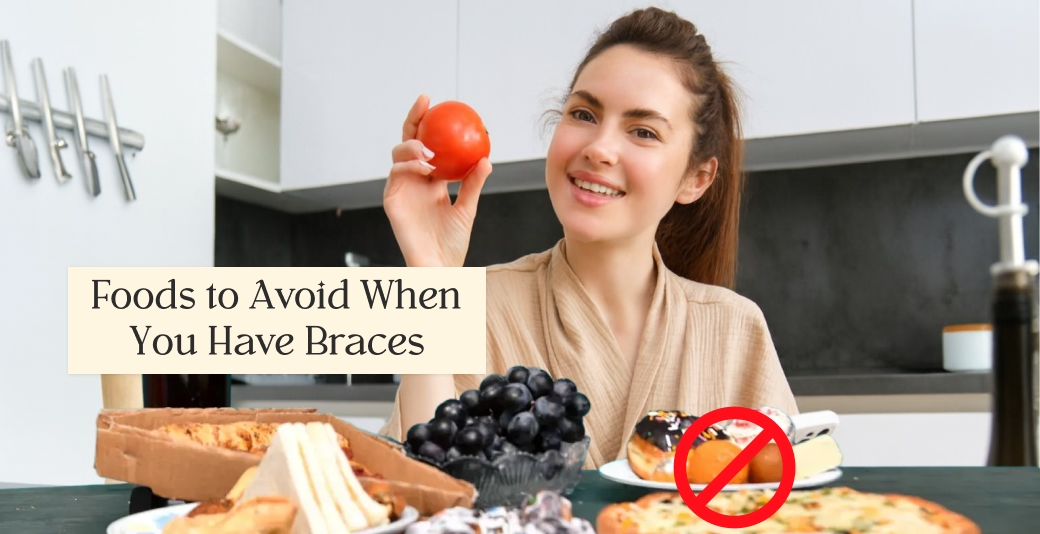
Braces help move teeth into the right position, but everyday food choices play a big role in how smoothly treatment goes. Eating the wrong foods can put pressure on brackets and wires, leading to breakage and delays.
Hard or sticky foods can damage braces and cause loose brackets, which may slow progress and create discomfort. Foods to avoid for braces often include items that are crunchy, chewy, or tough to bite.
According to Healthline, foods such as popcorn kernels, caramel, and hard candy increase the risk of brace damage. Making smart food choices helps protect braces, reduces repair visits, and keeps treatment moving as planned.
Table of Contents
Foods to Avoid for Braces: Eat the Right Foods and Protect Your Braces
Braces apply steady pressure to move teeth into place. This process works best when brackets and wires stay intact. Food choices play a big role in this. Some foods support your braces. Others cause damage that leads to pain, repairs, and longer treatment time. Eating carefully helps braces work as planned and keeps your mouth comfortable.
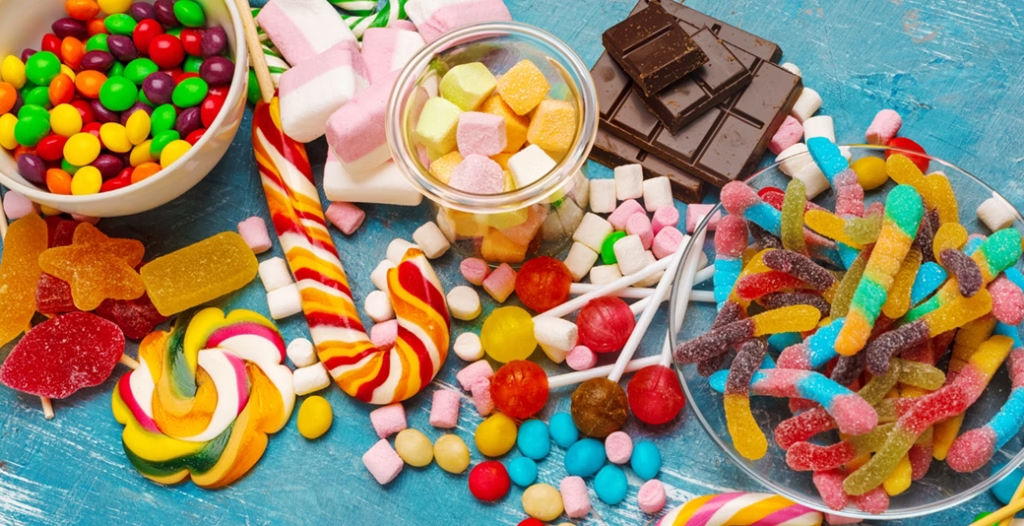
Soft Foods That Support Your Braces
The first few days with braces often feel uncomfortable. Teeth may feel tight or sore. Soft foods reduce pressure and make eating easier while your mouth adjusts. These foods also lower the risk of early damage.
- Yogurt (plain or Greek)
- Mashed potatoes
- Scrambled eggs
- Oatmeal
- Smoothies (without seeds)
- Warm soup (blended or clear)
- Soft rice
- Pasta
- Bananas
- Applesauce
- Cottage cheese
- Soft pancakes
- Avocado
- Soft tofu
Cut foods into small pieces and chew slowly. This reduces strain on brackets and wires.

Foods That Can Cause Damage in the First Few Days
Braces need time to settle on the teeth. During this stage, hard or sticky foods can cause pain and breakage. Avoiding these foods early helps prevent emergency visits.
- Ice cream – Cold temperature can increase tooth sensitivity, especially during the first days with braces.
- Thick rolls or breads – Dense texture requires strong biting, which can bend wires or loosen brackets.
- Thicker cuts of meat – Tough to chew and puts heavy pressure on braces and sore teeth.
- Spicy foods – Can irritate gums and cheeks that already feel sensitive from braces.
- Citrus foods – High acid can irritate and weaken enamel around brackets.
Staying away from these foods during the first days helps reduce soreness and protects your braces.
Foods That Put Braces at Risk Throughout Treatment
Some foods remain harmful for the entire time you wear braces. Even when teeth no longer feel sore, these foods can still cause damage. Avoiding them helps keep treatment on schedule.
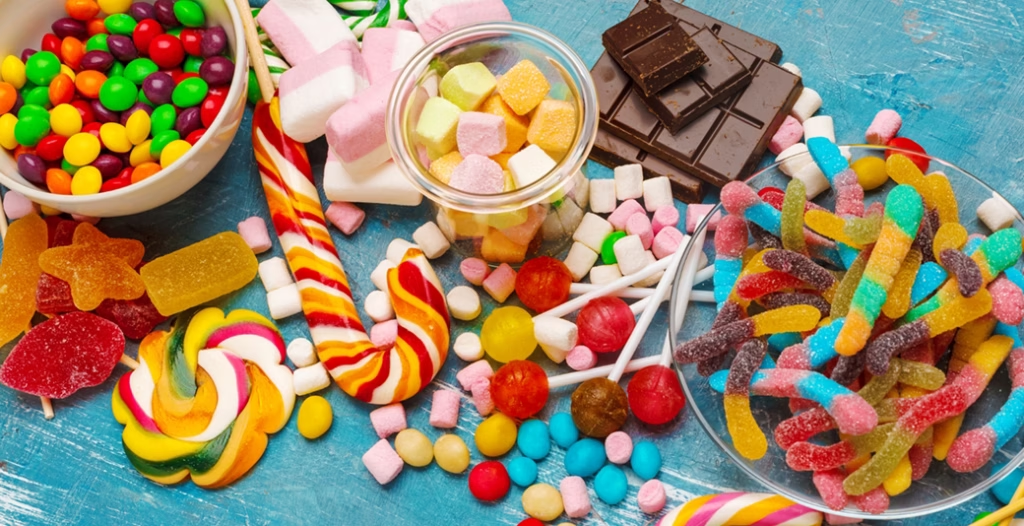
- Caramel and toffee – Sticky texture pulls brackets off teeth.
- Ice – Chewing snaps wires and breaks brackets.
- Corn on the cob – Hard biting force damages braces.
- Hard candy – Strong pressure causes cracks.
- Tough meat – Requires heavy chewing that strains the wires.
- Sticky sweets – Trap food and increase cavity risk.
- Popcorn – Hard kernels get stuck under wires.
- Chips – Crunchy edges put pressure on brackets.
- Hard candy – Can crack or loosen brackets quickly.
- Chewing gum – Sticks to braces and pulls them loose.
- Nuts – Too hard for sore teeth.
- Crusty bread – Tough bites bend wires.
Choose softer alternatives and cut firm foods into smaller pieces when possible.
First 7-Day Braces Food Care Chart You Should Follow
| Day | How Your Teeth Feel | What to Eat | What to Avoid | How it Helps |
| Day 1 | Very sore and sensitive | Yogurt, smoothies, soup | Hard, chewy, sticky foods | Prevents pain and early damage |
| Day 2 | Tight and tender | Mashed potatoes, oatmeal | Chips, nuts, bread crust | Reduces pressure on brackets |
| Day 3 | Still sore | Scrambled eggs, soft rice | Candy, popcorn | Stops wire bending |
| Day 4 | Slowly improving | Pasta, soft veggies | Gum, hard sweets | Braces start settling |
| Day 5 | Mild discomfort | Pancakes, bananas | Crunchy snacks | Protects brackets |
| Day 6 | Less pain | Fish, soft meat | Tough meat, corn | Avoids extra stress |
| Day 7 | Mostly adjusted | Soft normal foods | Ice, sticky candy | Keeps braces stable |
Traditional braces often require strict food limits and extra care every day. Modern orthodontic treatment focuses on comfort, flexibility, and daily ease. Choosing the right approach means fewer disruptions, better hygiene, and a smoother path to a confident smile.
Conclusion
Getting braces is a step toward healthier, better-aligned teeth. The results depend not only on the treatment itself, but also on your daily habits. Choosing the right foods and maintaining good oral hygiene helps protect your braces and your teeth.
Eating the wrong foods or neglecting care can damage brackets and wires, leading to discomfort and treatment delays. Your dentist or orthodontist will guide you on what to avoid, so follow their advice closely and ask questions when needed.
If you have any questions about braces or brace treatment, contact us, and our team will be happy to help.