Many people ask, do wisdom teeth always need to be removed? The honest answer is no.
Not everyone needs wisdom teeth removal. If the teeth grow in straight, stay clean, and do not cause pain, you may keep them. But if they grow sideways, get stuck under the gums, trap food, or cause swelling, removal becomes the safer choice.
Dentists look at your X-rays, your bite, and your symptoms. They check for pain, infection, crowding, and damage to nearby teeth. If they see future risk, they recommend removal before bigger problems start.
At Crystal Clear Dental, our experienced team in San Antonio checks your wisdom teeth carefully and explains everything in simple terms. We do not rush you. We show you what we see. Then we help you decide what is best for your smile and your health.
Table of Contents
Do Wisdom Teeth Always Need to Be Removed?
Wisdom teeth develop later than your other teeth. They usually begin to come in during your late teens or early 20s. However, they can cause problems at any age.
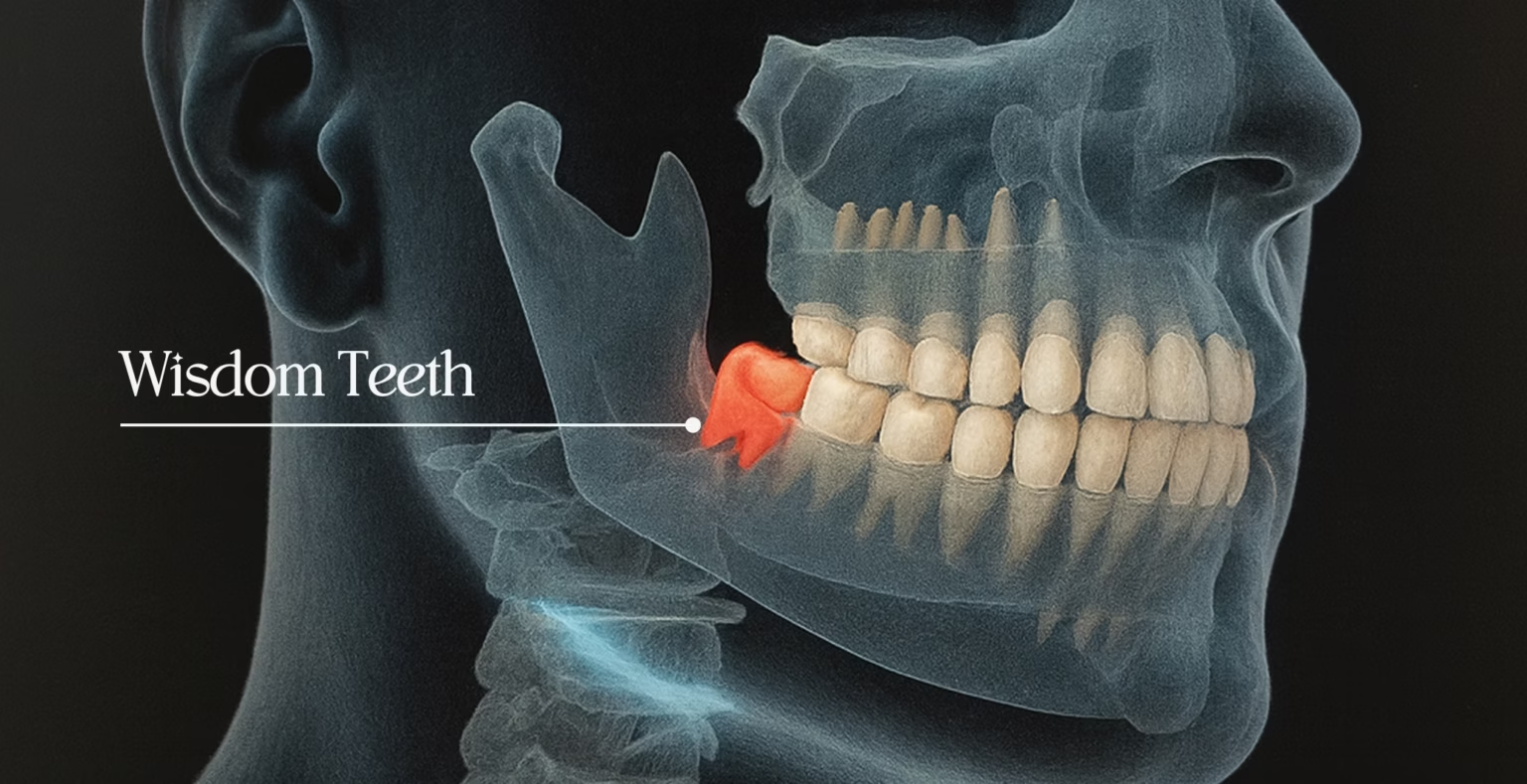
You may need to remove them if there is not enough space for them to grow fully. Another tooth may block them. Dentists call this impaction. Sometimes the tooth only partly comes through and stays partly covered by gum tissue.
Signs Wisdom Teeth Need to be Removed:
- Pain and swelling
- Gum infections (pericoronitis)
- Food is getting trapped around the tooth
- Tooth decay
- Gum disease
- A fluid-filled sac around the tooth (cyst)
- A dental abscess
A dentist will take X-rays to check the position of your wisdom teeth. X-rays show the angle of the tooth, the space available, and how close it sits to nearby teeth.
If the tooth does not cause pain, infection, or damage, the dentist will usually leave it in place. They will monitor it during your regular dental check-ups and watch for any changes.
According to the Mayo Clinic, wisdom teeth may not need removal if they are healthy, fully grown, positioned correctly, and easy to clean.
What Happens During Wisdom Tooth Removal
Before the procedure starts, the dentist gives you a local anesthetic. This numbs your gum and the area around the tooth. You will not feel pain. You may feel pressure, but that is normal.
If you feel very anxious, the dentist may offer sedation to help you relax. In more complex cases, you may receive general anesthesia so you sleep during the procedure.
Dentists usually use this option only when removal is more difficult or when patients feel very nervous.
Here is what usually happens:
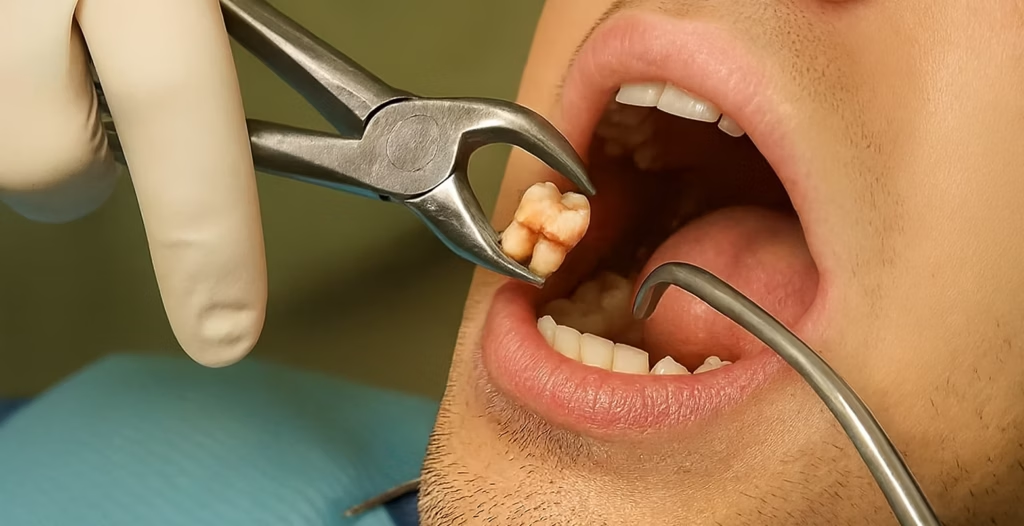
- The dentist cuts the gum if it covers the tooth.
- They gently widen the area around the tooth.
- They remove the tooth in one piece. Sometimes they divide it into two or three smaller pieces to make removal easier.
- They place stitches if needed. These stitches usually dissolve on their own.
The procedure often takes only a few minutes. Most treatments finish within 40 minutes. You can usually go home the same day. If you had general anesthesia, you may need to stay overnight for observation.

Cost of Wisdom Teeth Removal
The cost of wisdom teeth removal in San Antonio depends on the position of the tooth and the type of anesthesia you choose. In 2026, a simple extraction usually costs between $150 and $400 per tooth.
A surgical removal for an impacted tooth often ranges from $300 to $800 per tooth. If you need general anesthesia, the total cost can increase by $250 to $600.
Dental insurance often covers part of the cost, especially when the tooth causes pain or infection.
If you search for wisdom teeth removal in San Antonio, you will see prices vary by clinic and case complexity. At Crystal Clear Dental, we explain your exact cost after a full exam and X-rays.
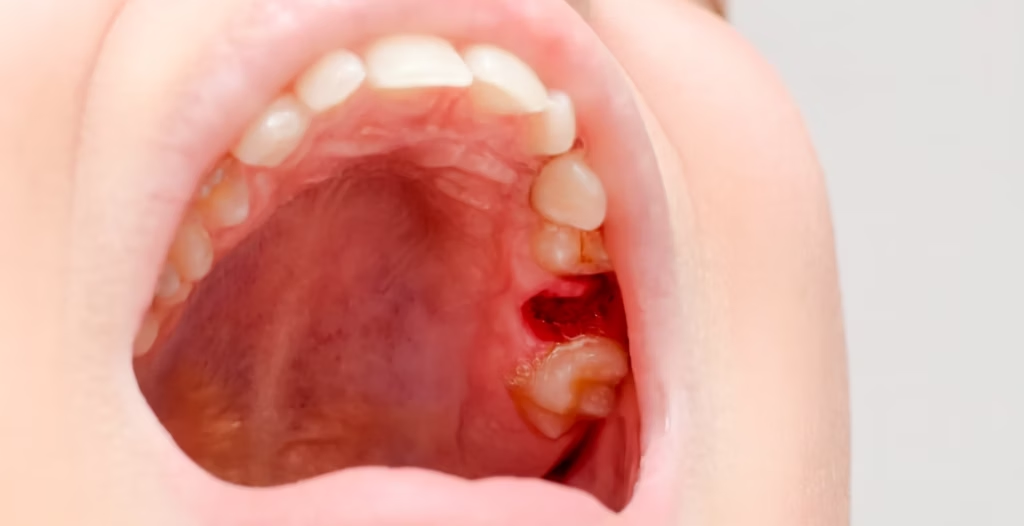
Recovering from Wisdom Tooth Removal
Most people return to normal activities the next day. If the dentist removed a difficult tooth or used general anesthesia, you may need 1 to 3 days of rest.
For up to two weeks, you may notice some symptoms. Pain and swelling are common. They usually improve after 1 or 2 days. You may see bruising on your cheek. Your jaw may feel sore or stiff. Chewing and swallowing can feel uncomfortable at first.
If the dentist placed stitches, they will dissolve on their own. A blood clot forms over the area. This clot protects the wound and helps it heal.
Follow these simple steps to heal well:
| Do | Don’t |
| ✔️ Take paracetamol or ibuprofen for pain. | ❌ Do not drive for 48 hours after general anesthesia or 24 hours after sedation. |
| ✔️ Eat soft or liquid foods until chewing feels easier. | ❌ Do not eat hard, crunchy nuts or seeds that can get stuck. |
| ✔️ Rinse gently with mouthwash or warm salt water. | ❌ Do not smoke. Smoking raises infection risk. |
| ✔️ Brush the other teeth carefully and avoid the area. | ❌ Do not drink alcohol or very hot drinks. |
| ✔️ If bleeding starts, press the area with clean cotton for 10 minutes. | ❌ Avoid anything that can disturb the blood clot. |
Possible Complications of Wisdom Tooth Removal
Wisdom tooth removal is usually safe and simple. Most people heal without problems. Still, complications can happen in some cases. Your dentist or surgeon will explain the risks before treatment.
One possible problem is dry socket. This happens when the blood clot over the socket does not form well or comes out too early. It can cause severe pain and delay healing.
An infection can also develop after surgery. You may need antibiotics to treat it.
In rare cases, the dentist may irritate a nearby nerve. This can cause numbness or tingling in the tongue, lips, or chin. It usually improves with time.
Conclusion
Wisdom teeth do not always cause trouble. But when they do, the pain can affect your daily life. You may struggle to eat, sleep, or focus at work or school. Do not ignore the signs.
If you feel pain, swelling, pressure, or any discomfort in the back of your mouth, take action early. A simple check can prevent bigger problems later.
At Crystal Clear Dental, our experienced team in San Antonio listens to your concerns and explains every step clearly. We examine your teeth carefully and guide you with honest advice.
Do not wait for the pain to grow. Contact us today and protect your smile with care you can trust.
Frequently Asked Questions
1. Do wisdom teeth always need to be removed?
No. Dentists remove them only if they cause pain, infection, crowding, damage, or show high future risk.
2. At what age do dentists usually recommend removing wisdom teeth?
Most removals happen between ages 17 and 25, when roots are not fully formed, and healing is faster.
3. How long does wisdom tooth removal recovery take?
Most swelling and pain improve within three days. Full gum healing usually takes one to two weeks.
4. How much does wisdom tooth removal cost in 2026?
In 2026, simple removal costs $150–$400, while surgical extraction ranges from $300–$800 per tooth.