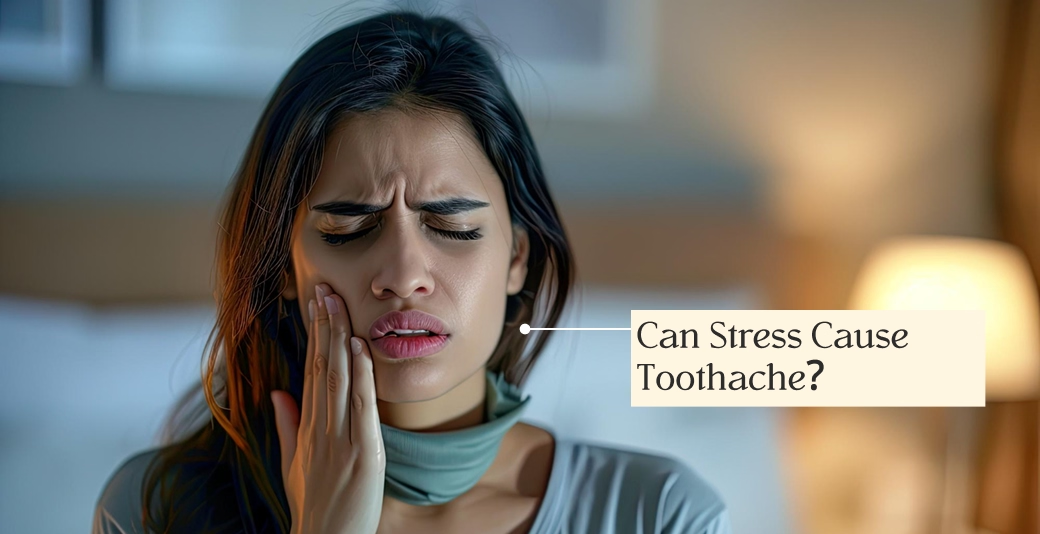
Toothache is hard to ignore. It may feel like a dull throb in your gums or a sharp sting when you bite. Sometimes painkillers help, but strong pain often means you need a dentist.
Many people ask, “can stress cause toothache?” The answer is yes. Stress affects your whole body, including your mouth. Long-term stress makes things worse.
The American Dental Association reports that about 70% of adults grind their teeth during stress. This weakens enamel and raises the risk of gum disease. A review in Frontiers in Neurology showed that stressed people are about twice as likely to grind their teeth (bruxism), which often leads to toothaches.
This blog is a must-read because it combines scientific studies with easy tips you can use right away. You won’t just understand why stress hurts your teeth, you’ll also know what to do next to protect your smile and avoid bigger dental problems.
Table of Contents
Can Stress Cause Toothache? What Science Says About the Link
Tooth pain does not always come from cavities or infections. Sometimes the real trigger is stress. Let’s look at how stress and toothache are connected.
When you feel stressed, your body switches to “fight or flight.” Your heartbeat rises. Your muscles get tight. One of the first places you hold tension is your jaw. You may clench your teeth without noticing it. This pressure spreads to your teeth and gums, and continues pressure leading to pain.
Science supports this. A 2024 study in PubMed found that people with higher stress and depression had more dental pain compared to others. Another study in BMC Oral Health (2023) showed that stress and anxiety often lead to poor oral health and more frequent tooth pain.
Stress also changes your saliva. Research in BMC Oral Health (2024) showed that people with gum disease and high stress had more cortisol in their saliva. Cortisol is a stress hormone that raises inflammation, making gums sore and teeth more sensitive.
When this continues for weeks or months, the pain grows worse. A review in Frontiers in Oral Health (2024) explained that psychosocial stress is a major risk factor for oral diseases like gum problems and bruxism. These conditions combine to create toothache that feels sharper under stress.
So the link is clear: stress does not just stay in your mind. It affects your mouth, your gums, your saliva, and even the way your body feels pain. That is why toothache often shows up when life feels hardest.
How Stress Turns Into Toothache: 6 Ways It Happens
Stress doesn’t hit your teeth directly. It travels through body systems. These pathways show how stress leads to tooth pain with scientifically proof behind each one.
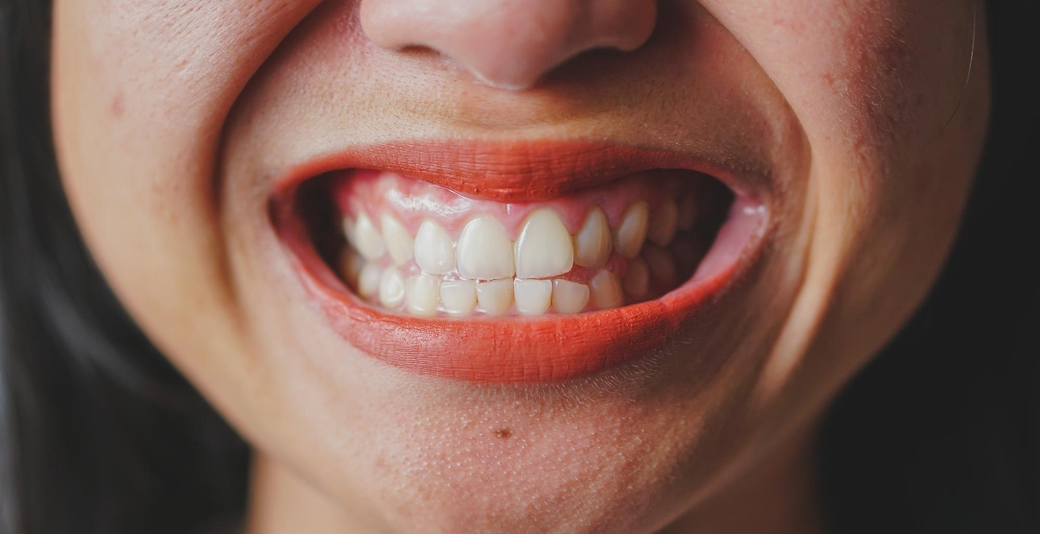
Bruxism: When Stress Makes You Grind
Stress can push your jaw muscles into overdrive. You might clench or grind your teeth without noticing. That’s bruxism.
A review called Neurobiology of Bruxism showed that stress raises muscle tone by 10–20%. That extra tension can trigger grinding.
In a questionnaire-study, 39% of people self-reported bruxism, and those with higher stress or anxiety had more frequent grinding.
During COVID-19 lockdowns, another study found a significant rise in self-reported bruxism linked to severe stress.
Bruxism is a solid pathway from mental stress to tooth pain.
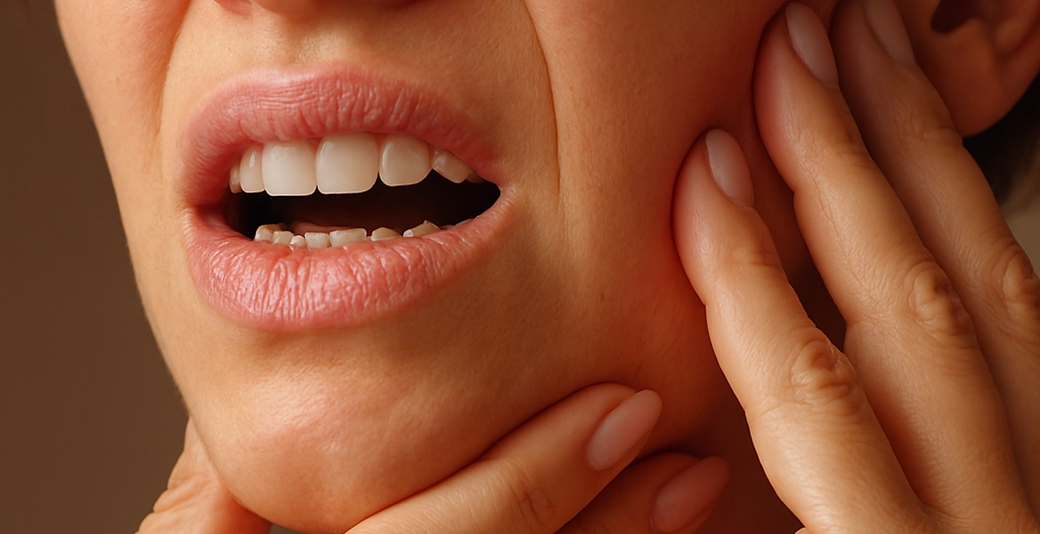
Muscle Tension: Hidden Pressure in Your Jaw
Stress doesn’t only make you grind. It tightens your facial and jaw muscles. Those tight muscles press against teeth and gums. Over days, this can make your teeth feel sore.
Also, people with TMJ disorders often report more stress, depression, and neck problems. In one study, 78% of TMD patients had elevated stress levels.
When jaw muscles hold tension too long, they push on nerves and teeth. That’s how muscle tension becomes tooth pain.
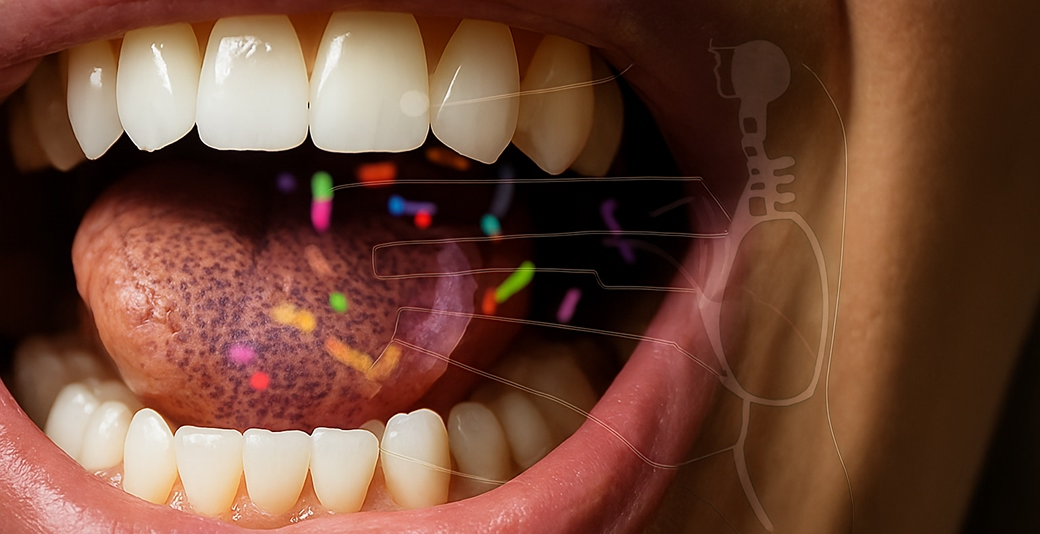
Saliva & Oral Microbiome: Stress Upsets the Balance
Stress changes your saliva chemistry. That can weaken your mouth’s defenses. One study found physical and psychological stress can change the mix of bacteria in your mouth (oral microbiome).
Another paper showed stress hormones in saliva can affect oral and gut microbiota. Also, chewing and clenching under stress raises cortisol levels in saliva.
These shifts make it easier for harmful bacteria to damage teeth and gums, and that can lead to pain.
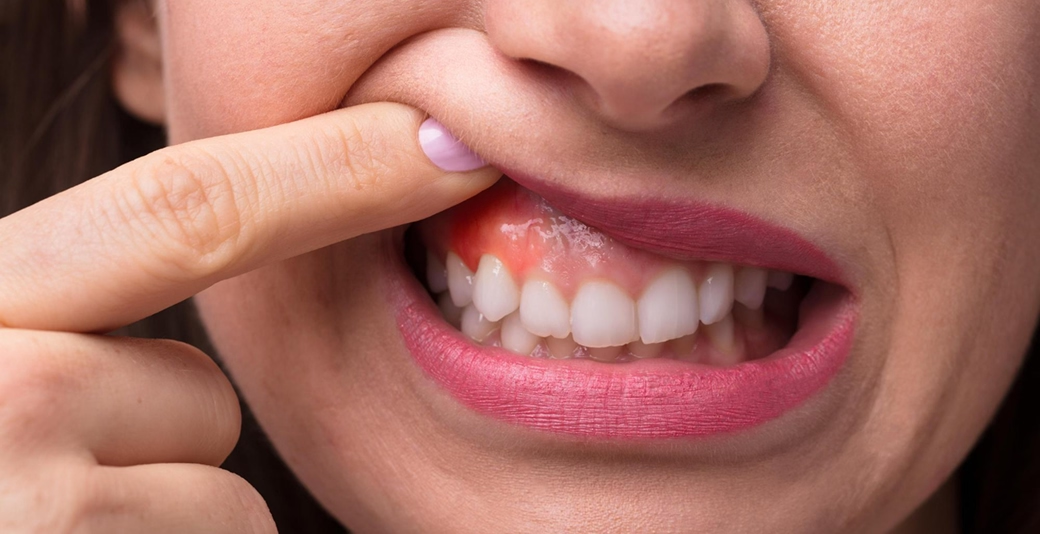
Gum Disease: Stress Makes It Worse
Stress doesn’t just stop at your teeth. It attacks your gums, too. Chronic stress changes your immune response. It weakens it. Gum tissue cannot fight bacteria well. That helps infections grow. A 2018 study found that ongoing stress speeds up periodontal disease progression.
In a 2024 cross-sectional study, people with psychological distress had more signs of gum disease (bleeding gums, poor gingival health) and worse oral hygiene overall.
When gum tissue swells, hurts or bleeds, that can heighten tooth pain.

Pain Sensitivity: Stress Lowers Your Threshold
Stress doesn’t just cause damage. It changes how strongly you feel pain. Under stress, your brain’s pain filters weaken. Tiny problems feel bigger.
One study in The Correlation between Pain, Stress, and Oral Function found that people with jaw or facial activity limits showed stronger links between pain levels and functional issues.
Another recent article looked at oral health + the pain system. It found that low oral health scores (bad gums, decay) often matched higher overall pain levels.
So if stress is present, even small enamel wear or gum irritation can feel like a strong toothache.
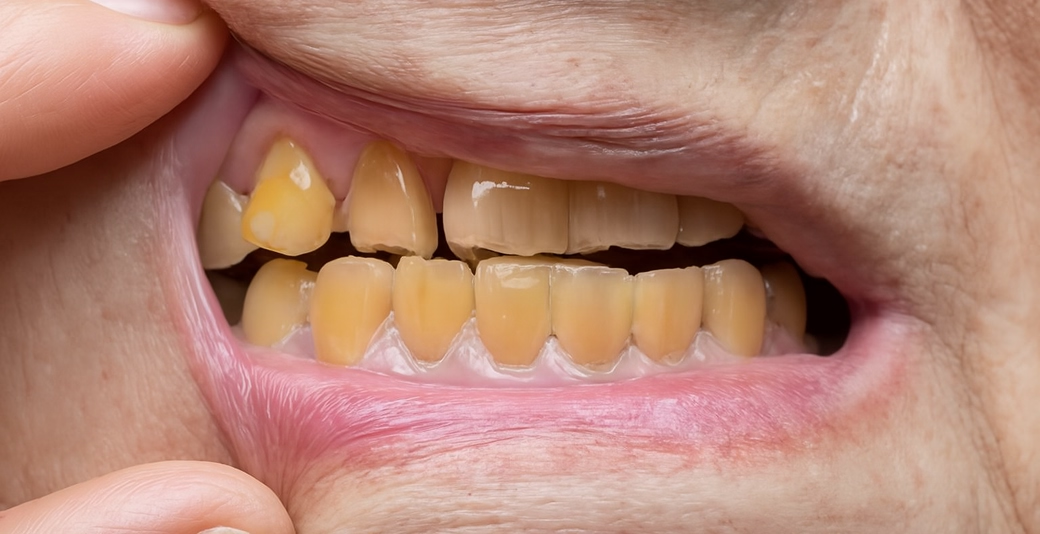
Poor Oral Hygiene: Stress Makes You Skip Care
Stress doesn’t just work inside your body. It affects habits, too. When people feel anxious or stressed, many skip brushing or flossing. They may eat more sugar or choose comfort foods.
In the 2024 Saudi study, participants with psychological distress had more caries, worse plaque index, and poor gingival health.
Over time, decay and gum infection creep in. That leads to cavities, gum disease, and full-blown tooth pain.

When You Should See a Dentist (and What Treatment You May Need)
A stress-toothache may ease with simple care. But sometimes it’s a signal that you need a dentist.
When to Consult a Dentist
- Persistent pain: If the ache lasts more than 2–3 days.
- Severe pain: If pain stops you from eating, sleeping, or working.
- Swelling: If you notice swollen gums, cheeks, or jaw.
- Bleeding gums: If stress seems to worsen gum problems.
- Cracks or broken teeth: If grinding has damaged enamel.
- Recurring headaches or jaw pain: Could be bruxism or TMJ disorder.
Possible Treatments
- Night guard: A dentist may give you a custom guard to stop grinding during sleep.
- Fluoride or bonding: To protect enamel and reduce sensitivity.
- Deep cleaning: If stress has worsened gum disease.
- Jaw relaxation therapy: Sometimes combined with physical therapy.
- Stress management advice: Breathing exercises, yoga, or counseling.
- Medication: Pain relief, anti-inflammatory treatment, or short-term muscle relaxants if needed.
The key point: Stress can start a toothache, but a dentist makes sure nothing more serious is hiding under it. Quick care protects both your teeth and your peace of mind.
Conclusion
You already know how stress can affect your teeth, from toothache to more serious problems. But the good news is that with the right care and guidance, you don’t have to live with this pain.
At Crystal Clear Dental, we are always here for you. If you ever feel tooth pain that might be linked to stress, don’t wait until it gets worse. Reach out to us with any concern, big or small. Our team will listen, guide you, and provide the best treatment you need.
Your smile matters. Don’t let stress take it away. Contact us today before it’s too late.