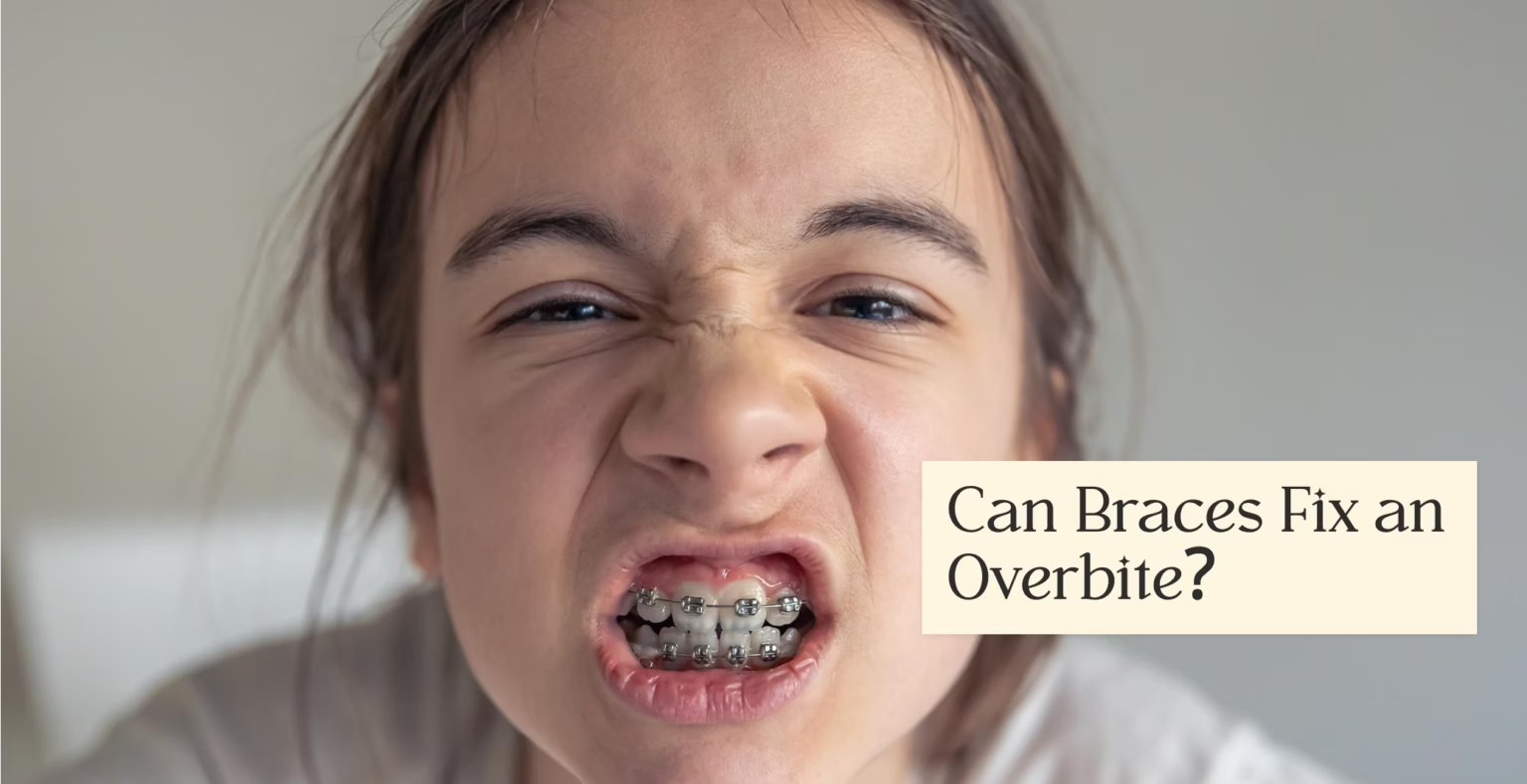
Many people look in the mirror and notice their top teeth stick out too far. At first, it may seem like only a cosmetic issue. However, an overbite can also cause jaw pain, tooth wear, and even speech problems. So naturally, one big question comes up: can braces fix an overbite?
The short answer is yes. In most cases, braces gently move teeth and guide the jaw into a better position. As a result, your bite becomes balanced. Your teeth line up properly. You also protect your smile from long-term damage.
Still, treatment depends on your age and the severity of your overbite. For example, mild cases may take less time, while deeper bites may need longer care.
At Crystal Clear Dental, our experienced orthodontic team in San Antonio has successfully treated patients with mild, moderate, and complex overbite cases using modern orthodontic techniques.
With our best guidance, you can improve your bite, protect your teeth, and feel more confident about your smile.
Table of Contents
How Braces Correct Overbites
Braces do much more than straighten crooked teeth. They also correct overbites, which happen when the upper front teeth sit too far over the lower teeth. When this bite problem stays untreated, it can lead to jaw pain, uneven tooth wear, and chewing issues.
Braces apply steady pressure to move teeth into better positions. Over time, they bring the upper and lower teeth into proper alignment. As a result, your bite feels more balanced and works the way it should.
Treatment depends on the cause. For example, some overbites happen because the upper teeth lean forward. Others develop because the lower jaw sits too far back.
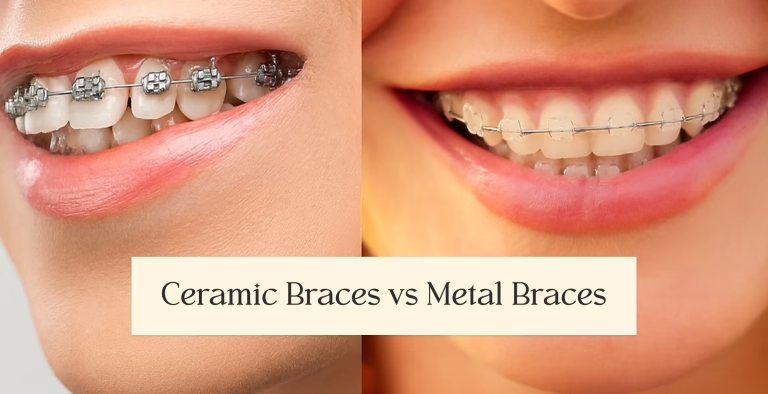
In mild to moderate cases, traditional metal braces, ceramic braces, or clear aligners like Invisalign can correct the problem. However, more severe cases may need bite plates or jaw-focused treatment.
Different Types of Overbites and Treatment Options
Not all overbites look the same. In fact, the cause of the problem decides how braces will fix it. Once your dentist finds the reason, treatment becomes clear and focused.
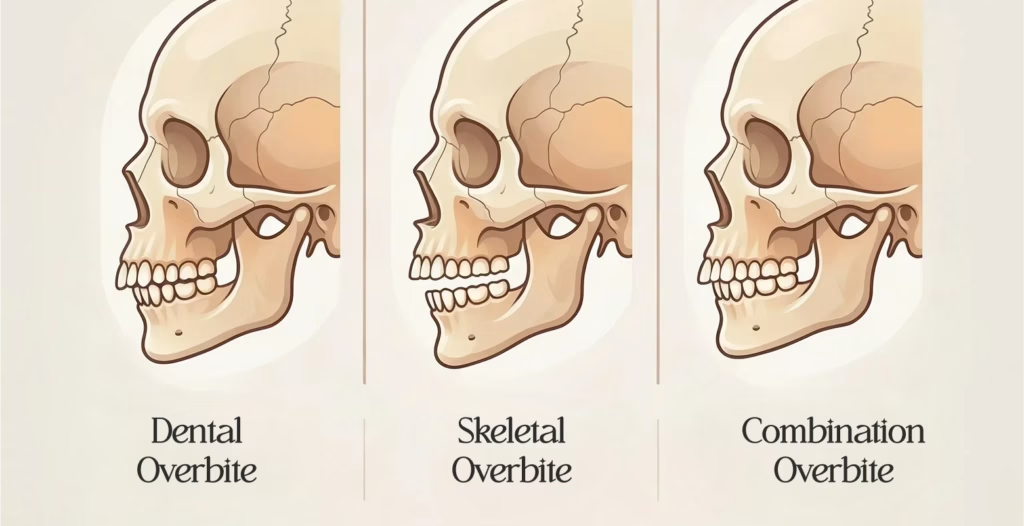
1. Dental Overbite
This type happens because of tooth position, not the jaw. The upper teeth sit too far forward over the lower teeth. In this case, braces move the teeth into better alignment.
Over time, the upper teeth shift back, and the lower teeth move slightly forward. As a result, the bite becomes even and stable.
Orthodontists may also use rubber bands, bite plates, or minor enamel adjustments to fine-tune the bite and improve contact between teeth.
2. Skeletal Overbite
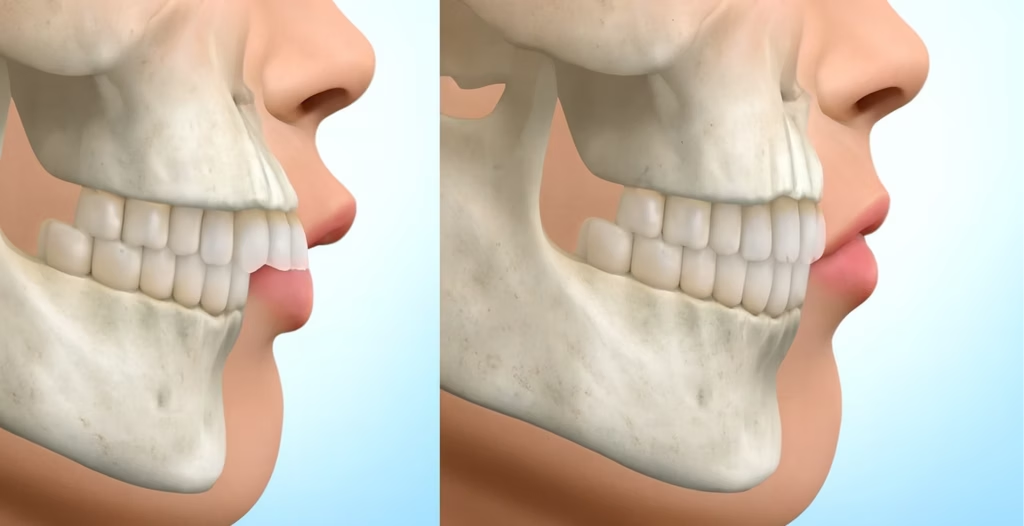
This type involves the jaw structure. The upper jaw sits too far ahead of the lower jaw. Braces still help align the teeth. However, younger patients may also need growth-guiding appliances.
In more severe adult cases, treatment may include advanced orthodontic care to improve jaw position.
3. Combination Overbite
Some patients have both tooth and jaw issues. In these cases, braces work together with elastic bands or other devices. These tools guide the teeth and jaw into better balance.
Depending on severity, treatment may also include functional appliances or surgical intervention to address both dental and skeletal concerns together.
Benefits of Overbite Correction
Correcting an overbite with braces offers several important benefits that go beyond appearance. When your bite aligns properly, your teeth, jaw, and muscles work together in balance.
Enhanced Chewing and Speech
Braces align the teeth and guide the jaw into a better position. When your bite fits correctly, chewing becomes smoother and more comfortable.
You also pronounce certain sounds more clearly because your tongue and teeth work in proper coordination.
Decreased Risk of Tooth Wear and Damage
A deep overbite places too much pressure on the front teeth. Over time, this can wear down enamel, cause chipping, or increase sensitivity.
By correcting the alignment, braces distribute biting force evenly across all teeth, which helps prevent long-term damage.
Improved Oral Hygiene
Overlapping or misaligned teeth create tight spaces where plaque builds up easily. After correction, brushing and flossing become more effective.
This reduces the risk of cavities and gum disease and makes daily oral care simpler.
Increased Confidence and Self-Esteem
A balanced smile often changes how you feel about yourself. When your teeth align properly, you feel more comfortable smiling, speaking, and interacting with others.
Prevention of Jaw Pain and Headaches
An uneven bite can strain the jaw joints and surrounding muscles. This strain may lead to jaw pain, TMJ discomfort, neck tension, or frequent headaches.
Proper alignment supports a more natural jaw position and reduces stress on the joints.
Improve Sleep Apnea
In some cases, better jaw alignment can reduce airway restriction. When the jaw sits in a healthier position, breathing during sleep may improve, which can support better rest.
Assessment and Planning
Correcting an overbite with braces starts with a detailed evaluation and structured planning process. This first stage is essential because it builds the foundation for accurate and successful treatment.
During your initial consultation, we carefully examine your teeth, jaw alignment, and overall facial structure. We also review your dental history and discuss any concerns you may have about your bite, comfort, or smile appearance. This conversation helps us understand both functional needs and aesthetic goals.
Next, we perform diagnostic tests using our advanced i-CAT Cone Beam 3D imaging system. This technology captures a complete three-dimensional view of your entire face and jaw. With this precise imaging, we can accurately assess tooth position, jaw alignment, and the severity of your overbite.
Using all gathered information, we create a customized treatment plan. This plan outlines the recommended type of braces, estimated treatment duration, and whether additional appliances are necessary.
Once you feel comfortable and informed, we finalize the details and explain the next steps before treatment begins.
What to Expect During Your Overbite Treatment Journey
This phase focuses on correcting your overbite step by step while keeping you comfortable and confident throughout the process. Every stage follows a structured plan to ensure safe and effective results.
Step 1: Placing the Braces
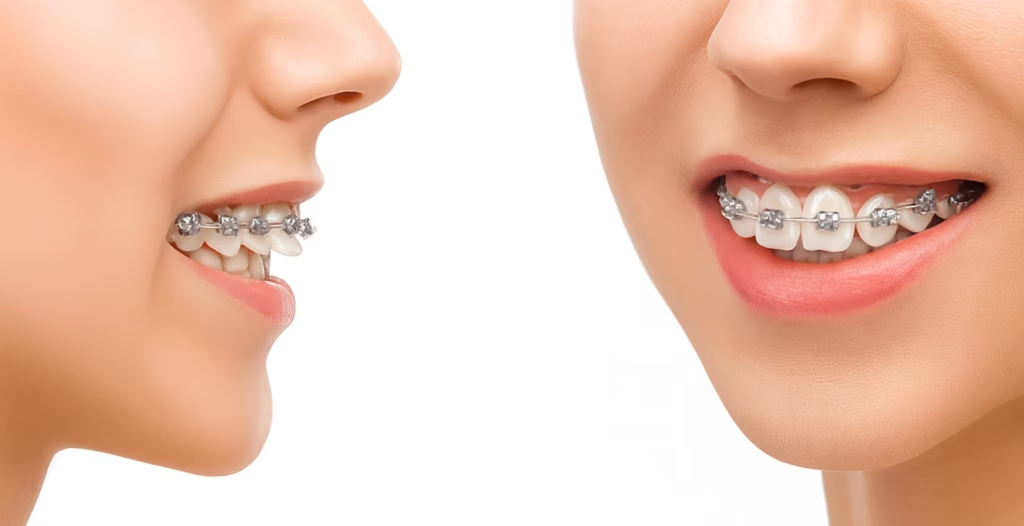
Bracket Placement – Small brackets are carefully bonded to each tooth using a strong dental adhesive. These brackets act as anchors that hold the system responsible for moving your teeth.
Archwire Installation – A thin metal wire, called an archwire, is threaded through the brackets. This wire applies gentle, controlled pressure to guide your teeth and jaw into proper alignment.
Band Placement – In some cases, bands are placed around the back molars to provide additional strength and support for the archwire.
Step 2: Regular Adjustments and Monitoring
Tightening the Braces – During routine visits, the orthodontist adjusts the archwire and, if needed, repositions brackets to maintain steady movement.
Monitoring Progress – Each appointment allows us to track changes and refine your treatment plan when necessary.
Step 3: Additional Corrective Tools
Rubber Bands – Elastic bands apply targeted pressure to improve bite alignment.
Other Appliances – Palatal expanders or temporary anchorage devices (TADs) may be used in more complex cases to support precise tooth and jaw movement.
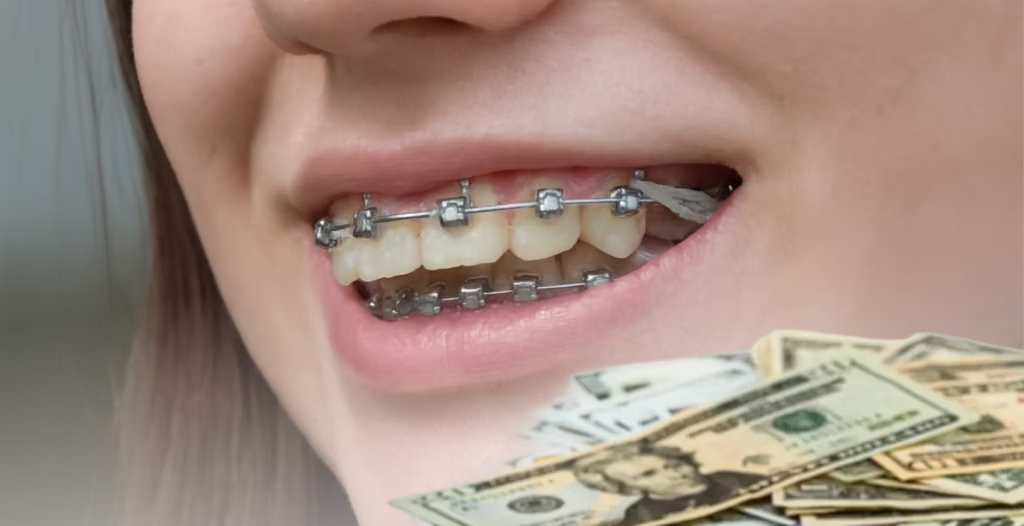
Overbite Braces Cost and Timeline
If you are thinking about braces to fix an overbite, you probably want to know the cost and the time commitment.
In the United States, traditional metal braces usually cost between $3,000 and $7,000. Ceramic braces often range from $4,000 to $8,500, while clear aligners like Invisalign typically cost between $3,500 and $7,500, depending on how complex the case is.
The final price depends on the type of braces, the severity of the overbite, your location, and whether dental insurance covers part of the treatment. Many orthodontic offices also offer membership payment plans to make care more manageable.
As for treatment time, the Cleveland Clinic notes that most braces treatments last between 18 and 24 months. Mild cases may finish in 12 to 18 months, while more severe skeletal overbites can take 24 to 30 months or longer.
Your orthodontist will provide a personalized treatment timeline after a full evaluation of your teeth and jaw alignment.
Conclusion
Fixing an overbite protects your teeth and improves your comfort. In addition, it helps your jaw work the right way. So, you enjoy a stronger and healthier smile.
At Crystal Clear Dental in San Antonio, we first take time to understand your needs. Then, we examine your bite using advanced 3D imaging. After that, we create a clear and simple treatment plan made just for you. Throughout the process, we explain every step and answer your questions. Meanwhile, we monitor your progress closely to ensure steady improvement.
We focus on honest care and lasting results. For that reason, many patients trust us in San Antonio. So, schedule your visit today and move forward with confidence.
Frequently Asked Questions
Can braces fix an overbite in adults?
Yes, braces can correct adult overbites by gradually repositioning teeth and improving bite alignment, though treatment may take slightly longer.
Do braces hurt when fixing an overbite?
Braces may cause temporary soreness after adjustments, but discomfort usually fades within days as teeth gradually shift position.
Can Invisalign fix an overbite?
Invisalign can correct mild to moderate overbites using clear aligners, but severe skeletal cases may require traditional braces.
What happens if you don’t treat an overbite?
Untreated overbites can cause tooth wear, jaw pain, headaches, chewing problems, and long-term dental damage over time.