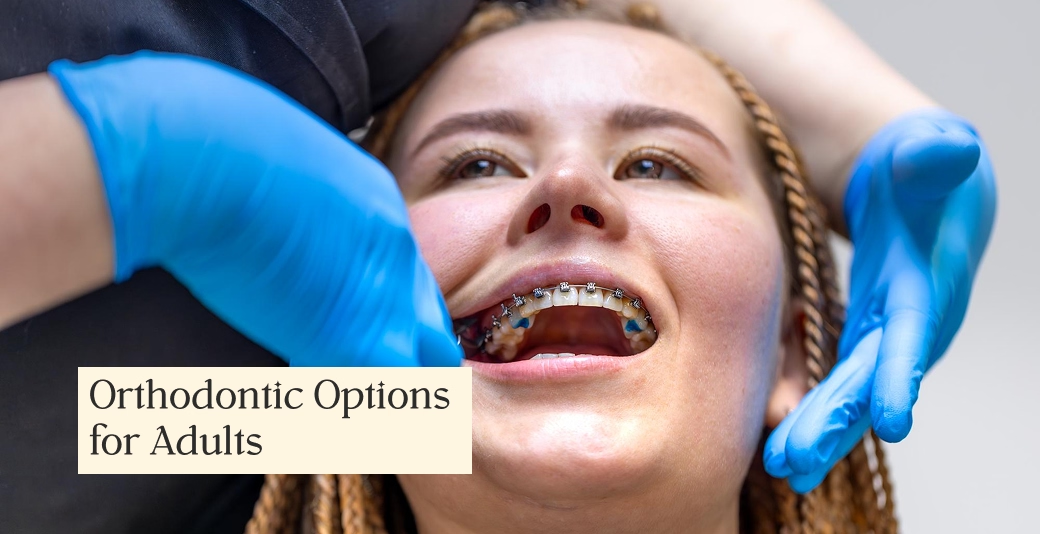
A straight smile looks good at any age. Many adults now choose orthodontic treatment to fix bite issues, crowding, or shifting teeth. Modern dentistry makes it easier than ever to get great results without feeling uncomfortable or awkward.
This guide covers everything you need to know about adult orthodontic treatment, like when you need it, how long it takes, and what options work best for you. From braces and aligners to retainers, archwires, elastics, mouthguards, and even orthodontic surgery, you’ll find every detail here in simple words.
By the end, you’ll understand each treatment clearly and know which one can give you the healthy, confident smile you’ve always wanted.
Table of Contents
When Do Adults Need Orthodontic Treatment?
Many adults think braces or aligners are only for teens, but that’s not true. Teeth can move or shift at any age, and small problems can slowly turn into big ones. Getting treatment early helps protect both your smile and your oral health.
Here are the most common signs you may need orthodontic care:
Crooked or crowded teeth: When teeth overlap or twist, it becomes hard to brush and floss properly. This can cause plaque build-up, bad breath, and even gum disease.
Gaps between teeth: Spaces trap food and affect your bite. Over time, this can make your front teeth spread or tilt.
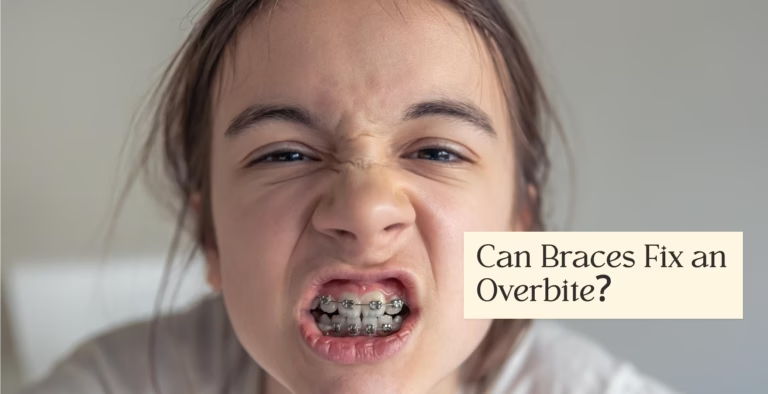
Bite problems: If your top and bottom teeth don’t meet correctly (like an overbite, underbite, or crossbite), it can cause jaw strain, uneven wear, or even headaches.
Jaw pain or clicking: This often happens when your bite is off or your teeth aren’t aligned properly. The jaw joint must work harder to chew, causing stress and discomfort.
Shifting teeth after earlier braces: Teeth can move again if retainers aren’t worn. Orthodontic treatment helps bring them back into the right place.
Uneven wear or chipped edges: When teeth hit each other in the wrong way, enamel wears down faster. This can make teeth sensitive and weak.
Trouble cleaning your teeth: Crowded or tilted teeth leave hard-to-reach spots where bacteria hide, leading to cavities or gum issues.
Orthodontic treatment doesn’t just make your smile straight; it also improves chewing, speech, and jaw balance. A well-aligned bite keeps your teeth strong for life and makes daily care simple and stress-free.
Main Treatment Options for Adults
Adults today have more choices than ever when it comes to straightening their teeth, from braces vs Invisalign to other modern orthodontic treatments. Each option works differently, depending on your goals, bite, and daily routine. Here’s a clear look at all the main options and what they do.
Braces
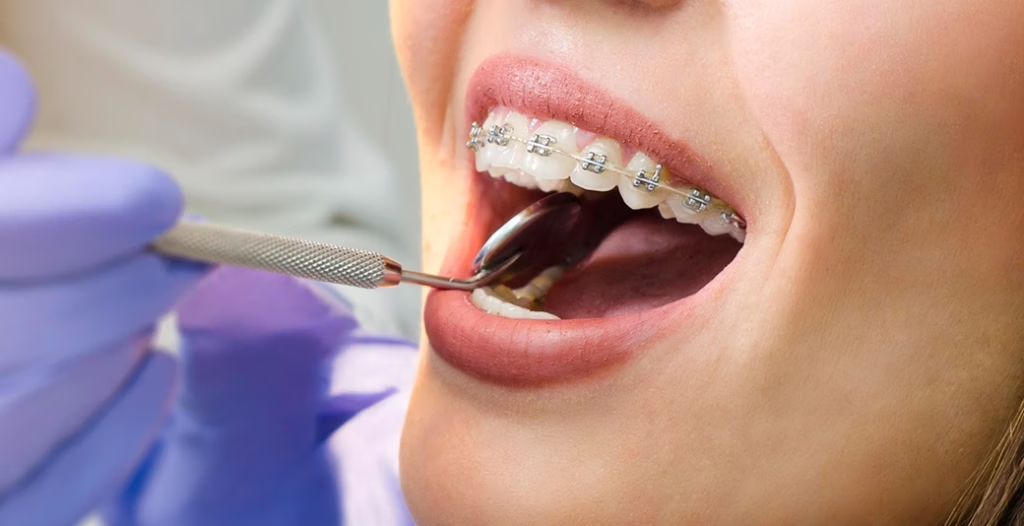
Braces are still one of the most effective ways to move teeth into the right position.
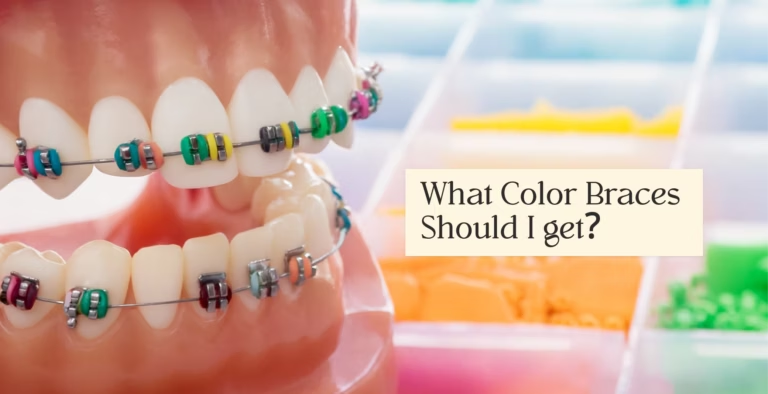
- They use metal or ceramic brackets that attach to each tooth.
- A thin archwire connects the brackets and gently moves the teeth over time.
- Elastics (rubber bands) may be added to correct bite alignment and jaw position.
- Braces work for all levels of complexity, from small gaps to major bite or rotation problems.
Modern braces are smaller, smoother, and more comfortable than before, making them a popular choice for adults who want reliable results.
Clear Aligners (like Invisalign)
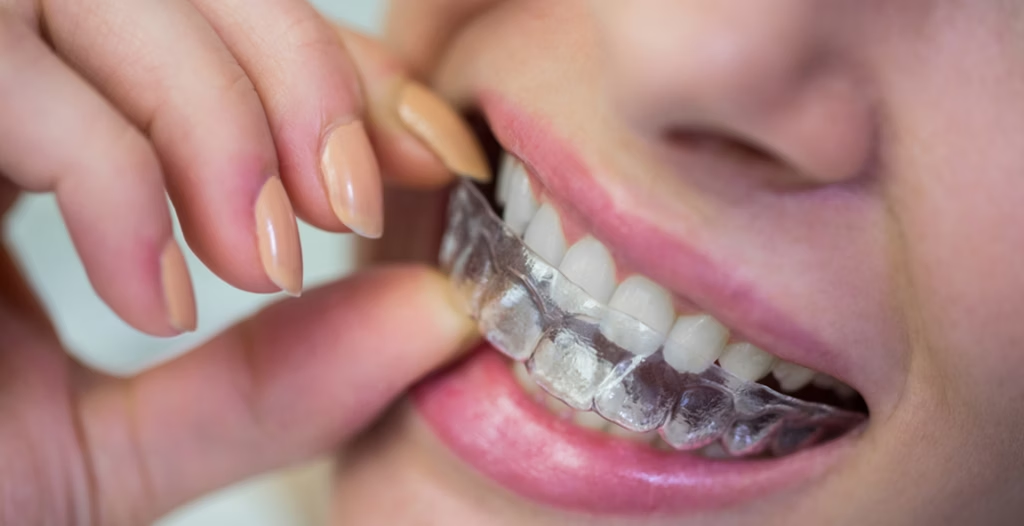
Clear aligners are transparent trays that fit snugly over your teeth.
- They gently move your teeth in small steps.
- You switch to a new set every one to two weeks.
- They are removable, so you can eat, drink, and brush without trouble.
- They’re best for mild to moderate alignment issues such as spacing, crowding, or minor bite problems.
Aligners are nearly invisible, making them ideal for adults who want a professional look without metal braces.
Retainers
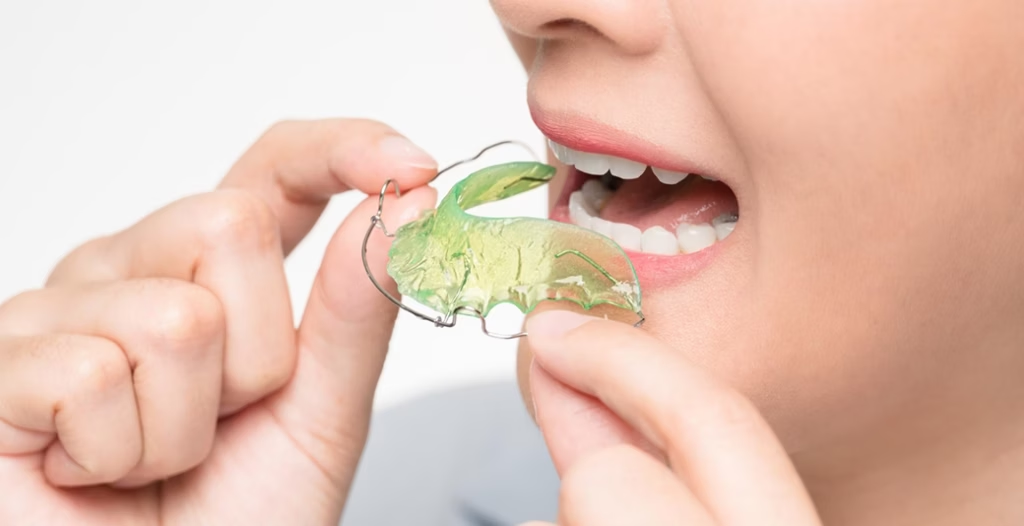
After your main treatment, retainers keep your teeth in their new position.
- Removable retainers are made of plastic and can be taken out for cleaning.
- Fixed retainers are thin wires placed behind your teeth to hold them steady. Wearing a retainer is essential; without it, teeth can slowly shift back to their old places.
Lingual Braces
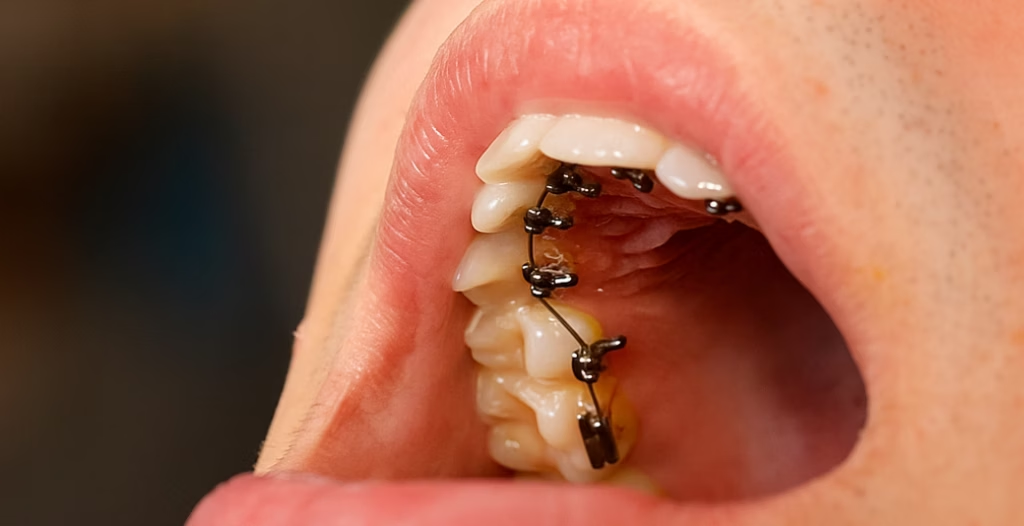
Lingual braces are similar to traditional ones, but they’re attached behind your teeth, not in front. They are:
- Hidden from view, no one can see them when you smile.
- Great for professionals or adults who want a discreet treatment. They take a bit more time to adjust to, but they deliver excellent results.
Self-Ligating Braces
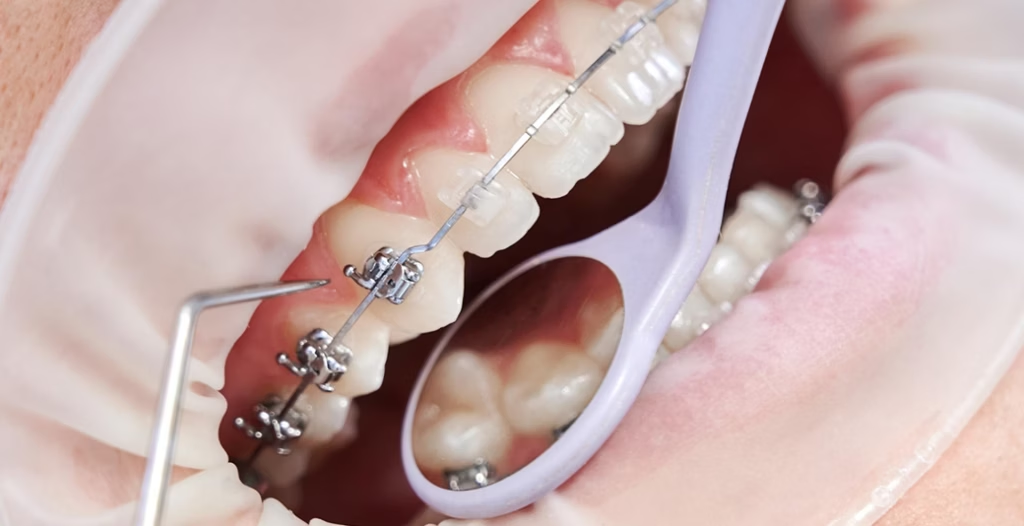
These braces use clips instead of elastic ties to hold the wire in place.
- The wire moves freely, reducing friction and pressure.
- They often need fewer adjustments and shorter visits.
- They can be metal or ceramic, depending on your preference.
Mouthguards
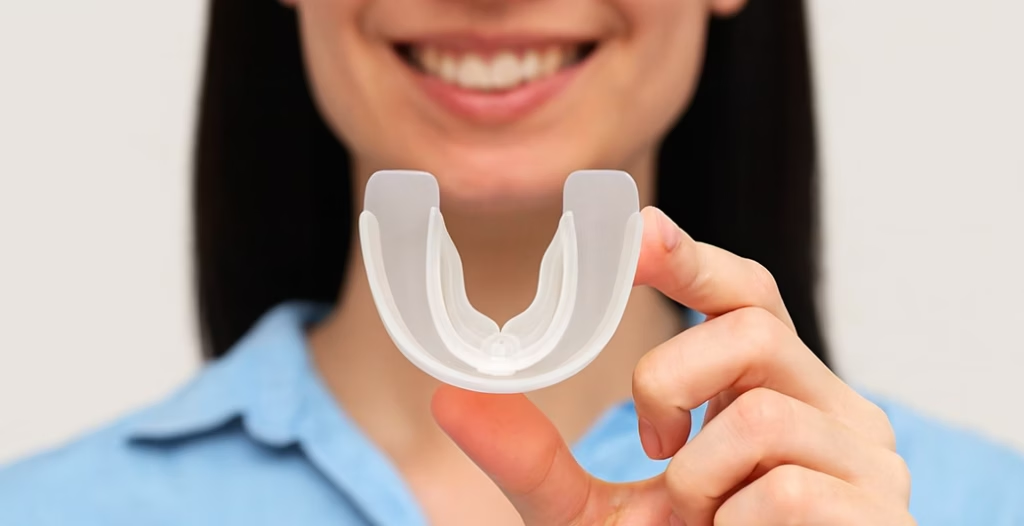
A mouthguard is important if you play sports or grind your teeth at night.
- It protects brackets and teeth during impact.
- Custom mouthguards made by your orthodontist fit better and feel more comfortable. They’re especially helpful during braces or aligner treatment to prevent damage.
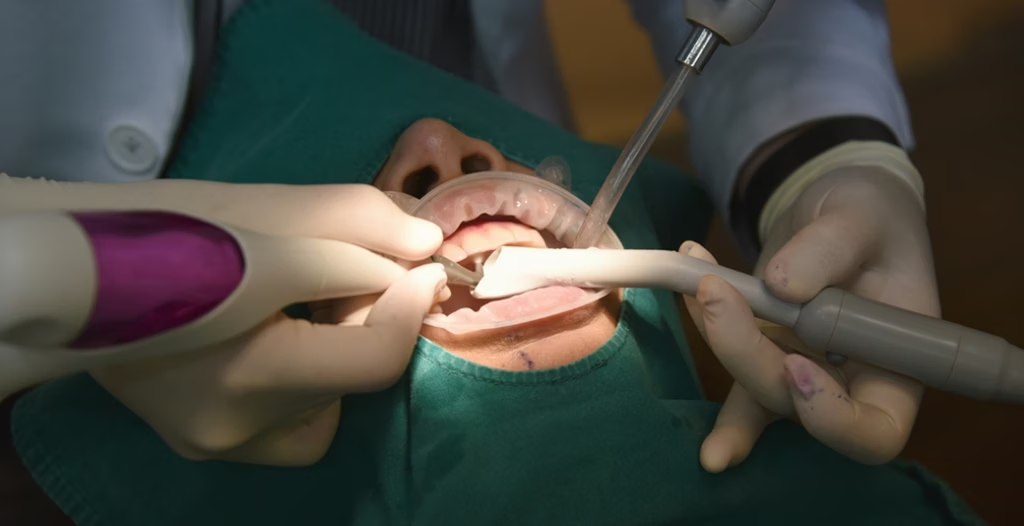
Orthodontic Surgery (for Complex Cases)
In some cases, braces or aligners alone can’t fix jaw alignment or bite problems. That’s where orthodontic surgery comes in.
- It corrects severe bite issues, jaw imbalance, or facial asymmetry.
- Surgery aligns the bones so that teeth can fit together properly.
- It’s usually done alongside braces to guide the final tooth movement.
Surgery helps restore both function and balance, improving your bite, speech, and smile.
How Long Does Adult Orthodontic Treatment Take?
Every smile is different, so treatment time isn’t the same for everyone. The duration depends on your teeth, your goals, and how well you follow your orthodontist’s plan.
Here’s a general idea of what to expect:
Braces: Usually take 18 to 36 months. Braces stay on all the time and move teeth slowly but steadily. Complex bite problems can take longer, while simple spacing may finish sooner.
Clear Aligners: Take about 12 to 24 months. You’ll change trays every one to two weeks. Aligners can work faster than braces if worn for 20 to 22 hours a day as directed.
Retainers: They are worn nightly for life. They keep your teeth from shifting back after treatment. Without them, teeth may slowly move out of place again.
Minor Corrections: Can take as little as 6 to 12 months. This applies to mild crowding, small gaps, or early relapse cases.
Orthodontic Surgery: Recovery usually takes a few weeks, followed by final adjustments with braces or aligners for perfect finishing.
Your progress depends on several things: case complexity, consistency with aligners, good oral care, and regular follow-ups. The more you stick to your plan, the faster and smoother your results will be.
Cost of Adult Orthodontic Treatment
The cost depends on your case, treatment time, and the type of braces or aligners you choose.
- Braces: $4,000 – $7,000.
- Clear Aligners: $3,500 – $8,000
- Lingual Braces: $8,000 – $10,000
- Retainers: $150 – $1,000
- Orthodontic Surgery: $5,000 – $15,000
Prices may vary based on complexity and materials. Most clinics offer monthly payment plans and accept insurance coverage, making treatment easier to afford.
Conclusion
Adult orthodontic treatment is more common than ever. Whether your teeth are crowded, spaced, or out of alignment, there’s a solution that fits your lifestyle and comfort. From traditional braces to clear aligners, retainers, and even surgery, modern care makes it possible to get a straight, healthy smile at any age.
Treatment time, cost, and method may vary, but the goal is always the same: better function, balance, and confidence.
At Crystal Clear Dental, our orthodontic team helps adults find the right plan with clear guidance, modern tools, and personalized care. Your perfect smile isn’t in the past; it starts now.